

AI 생성 정보
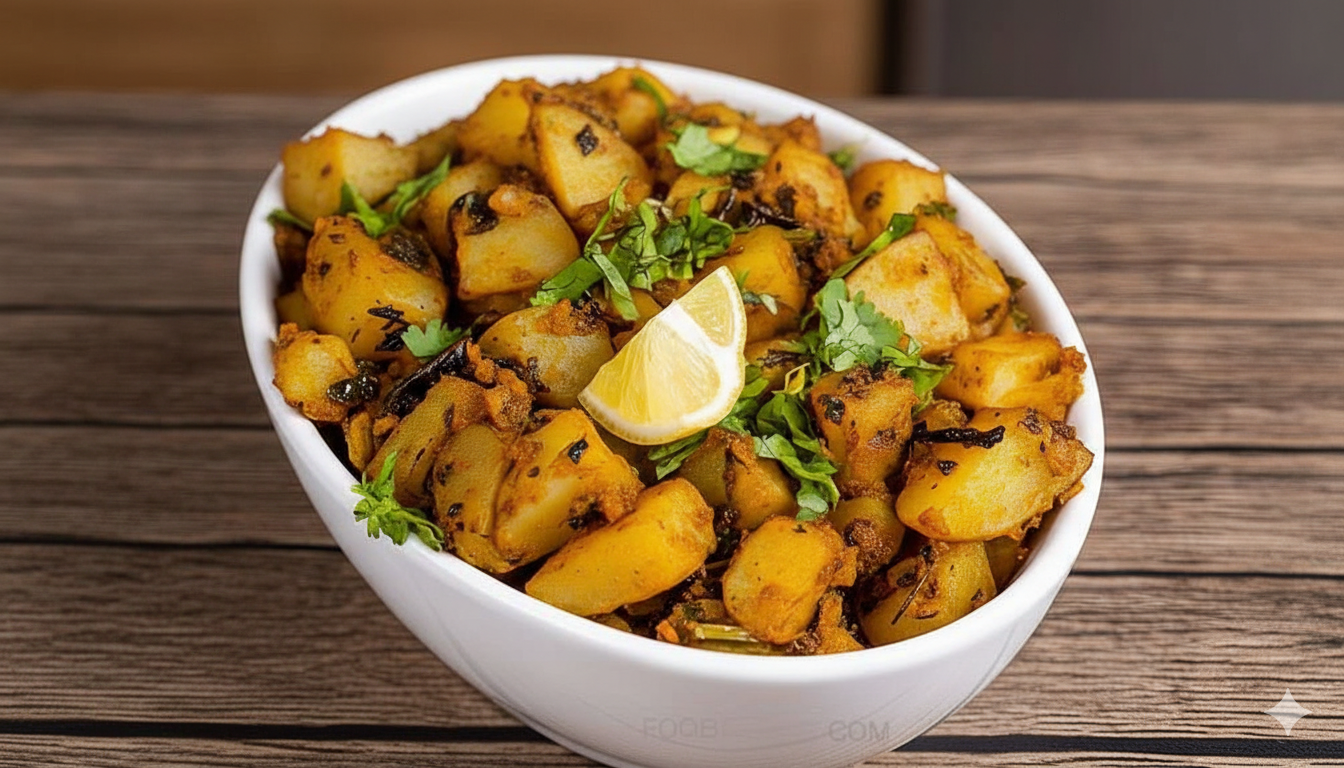
제목: 알루 사데코(Aloo Sadeko)
요약: 알루 산데코는 네팔의 뉴와르족에게 매우 흔하고 사랑받는 전통 요리입니다. 삶은 감자에 겨자유, 호로파 씨드 등 다양한 향신료와 채소를 넣어 매콤하고 새콤하게 무쳐 차갑게 즐기는 감자 샐러드입니다. 간단하면서도 기본적인 네팔 음식 중 하나입니다.
설명:
알루 사데코(Aloo Sadeko) 혹은 알루 산데코는 말씀하신 것처럼 네팔 카트만두 계곡의 원주민인 뉴와르(Newar)족의 식문화에서 깊은 뿌리를 둔 전통 요리입니다.
이 요리에 대한 보다 상세한 설명은 다음과 같습니다.
[전통적 의미와 문화]
축제의 꽃: 뉴와르족의 거의 모든 축제와 잔치(Feast)에서 빠지지 않는 핵심 메뉴입니다.
사마이 바지(Samay Baji): 뉴와르족의 전통적인 식사 세트인 '사마이 바지'를 구성하는 중요한 요소로, 신들에게 바치는 제례 음식으로서의 상징성도 지닙니다.
사데코(Sadeko)의 뜻: 네팔어로 '마리네이드(양념에 재우다)'를 의미하며, 이름 그대로 삶은 감자를 갖은 향신료에 버무려 맛을 들인 음식입니다.
[맛과 조리의 특징]
강렬한 풍미: 톡 쏘는 겨자유(Mustard Oil)와 알싸한 호로파(Fenugreek) 씨앗이 핵심입니다. 뜨겁게 달군 겨자유에 호로파 씨앗을 튀겨 향을 낸 뒤 감자 위에 부어주는 '템퍼링' 과정이 독특한 훈연 향을 완성합니다.
매콤새콤한 조화: 고춧가루의 매운맛과 신선한 레몬 혹은 라임즙의 새콤함이 어우러져 입맛을 돋웁니다.
차갑게 즐기는 별미: 주로 차갑게 혹은 상온 상태로 서빙되어, 메인 요리 전의 에피타이저나 간식, 술안주로 인기가 높습니다.
[주요 재료 구성]
기본: 삶은 감자, 자색 양파, 신선한 고수, 녹색 고추.
양념: 겨자유, 호로파 씨드, 강황 가루, 소금, 레몬즙.
현지식 비법: 풍미를 더하기 위해 볶은 참깨 가루나 네팔 특유의 산초인 티무르(Timmur)를 넣기도 합니다.
이처럼 알루 사데코는 단순한 감자 요리를 넘어 네팔 뉴와르족의 정체성과 환대 문화를 상징하는 소중한 전통 음식입니다.
재료: 삶은 감자, 양파, 토마토, 고수, 겨자유, 호로파 씨드, 향신료
조리법: 삶은 감자를 깍둑썰기 한 후, 잘게 썬 양파, 토마토, 고수 등의 채소와 여러 향신료를 함께 넣고 버무립니다. 뜨겁게 달군 겨자유에 호로파 씨드 등의 향신료를 튀겨 향을 입힌 후 감자 혼합물에 부어 잘 섞어주고, 차갑게 제공합니다.
문화적 의미:
이 요리는 뉴와르족의 대표적인 음식으로, 네팔 전역에서 대중적으로 즐겨 먹습니다. 종종 네팔 전통 식사인 탈리(Thali) 세트의 반찬으로 나오거나, 다른 요리와 함께 곁들여 먹는 경우가 많습니다. 매콤하고 새콤한 맛으로 현지인뿐만 아니라 네팔을 방문하는 외국인들에게도 인기가 많습니다.
제목: Aloo Sadeko
요약: Aloo Sandeko is a very common and beloved traditional dish among the Newar people of Nepal. It's a cold potato salad made with boiled potatoes, mustard oil, fenugreek seeds, and various spices and vegetables, seasoned with a spicy and sour sauce. It's a simple yet fundamental Nepalese dish.
설명:
Aloo Sadeko, or Aloo Sandeko, is a traditional dish deeply rooted in the culinary culture of the Newar people, the indigenous people of the Kathmandu Valley, Nepal.
A more detailed description of this dish follows:
[Traditional Meaning and Culture]
The Flower of Festivals: A staple dish at almost all Newar festivals and feasts.
Samay Baji: A key component of the traditional Newar meal, "Samay Baji," it also carries symbolic significance as a ceremonial dish offered to the gods.
Meaning of Sadeko: The Nepali word for "marinated," Sadeko, as its name suggests, is a dish of boiled potatoes seasoned with various spices.
[Taste and Cooking Characteristics]
Intense Flavor: The key ingredients are tangy mustard oil and pungent fenugreek seeds. The "tempering" process, where fenugreek seeds are fried in hot mustard oil to infuse their aroma and then poured over the potatoes, creates a unique smoky flavor.
Spicy and Sour Harmony: The spiciness of chili powder and the tartness of fresh lemon or lime juice combine to whet the appetite.
Cold Delicacy: Served cold or at room temperature, it's a popular appetizer, snack, or accompaniment to alcohol.
[Main Ingredients]
Basic: Boiled potatoes, purple onions, fresh coriander, green chilies.
Seasoning: Mustard oil, fenugreek seeds, turmeric powder, salt, lemon juice.
Local Secret: To enhance the flavor, roasted sesame seeds or timmur, a Nepalese pepper, are sometimes added.
In this way, Aloo Sadeko is more than just a potato dish; it is a precious traditional food that symbolizes the identity and hospitality of the Newar people of Nepal.
재료: Boiled potatoes, onions, tomatoes, coriander, mustard oil, fenugreek seeds, spices
조리법: Dice boiled potatoes and mix with chopped onions, tomatoes, cilantro, and other vegetables and spices. Fry spices like fenugreek seeds in hot mustard oil to infuse their flavor. Pour over the potato mixture, mix well, and serve chilled.
문화적 의미:
This dish is a signature dish of the Newar people and is enjoyed throughout Nepal. It's often served as a side dish in a traditional Nepali meal, the Thali, or as a accompaniment to other dishes. Its spicy and sour flavor makes it popular with both locals and foreign visitors to Nepal.
사용자 입력 정보
음식명: aaloo sandeko
키워드: 네팔전통음식
기본 정보
Slug: aaloo-sandeko
등록일: 2026-02-23 22:09:01
마지막 업데이트: 2026-02-23 22:47:01
추정 원산지: NPL
추정 언어: ne
소스: llm
📚 AI가 참고한 관련 정보
AI가 정보를 생성하기 위해 수집하고 분석한 자료들입니다.


