As bitter cold grips the season, our bodies naturally crave food that is warm, hearty, and deeply comforting. In winter, when icy winds seep into our joints and fatigue comes easily, we seek more than a meal to satisfy hunger—we look for dishes that restore balance and revive our energy. One dish that immediately comes to mind is Doganitang, a traditional Korean soup.
A bowl of steaming, milky-white broth served with rice offers instant comfort, gently thawing the body and delivering a profound sense of warmth and nourishment. For generations, Doganitang has stood as a cornerstone of Korean winter cuisine, revered not only as a flavorful dish but also as a restorative health food.
More than just a satisfying meal, Doganitang represents a cultural symbol of resilience and care—an enduring winter remedy that has supported Korean health through the coldest months. This article takes a closer, professional look at the deeper meaning of Doganitang and the nutritional wisdom simmering beneath its surface.
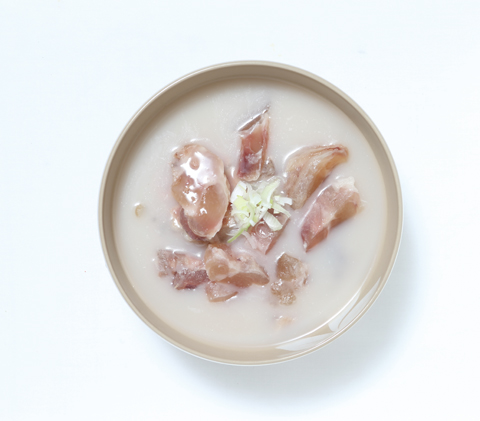
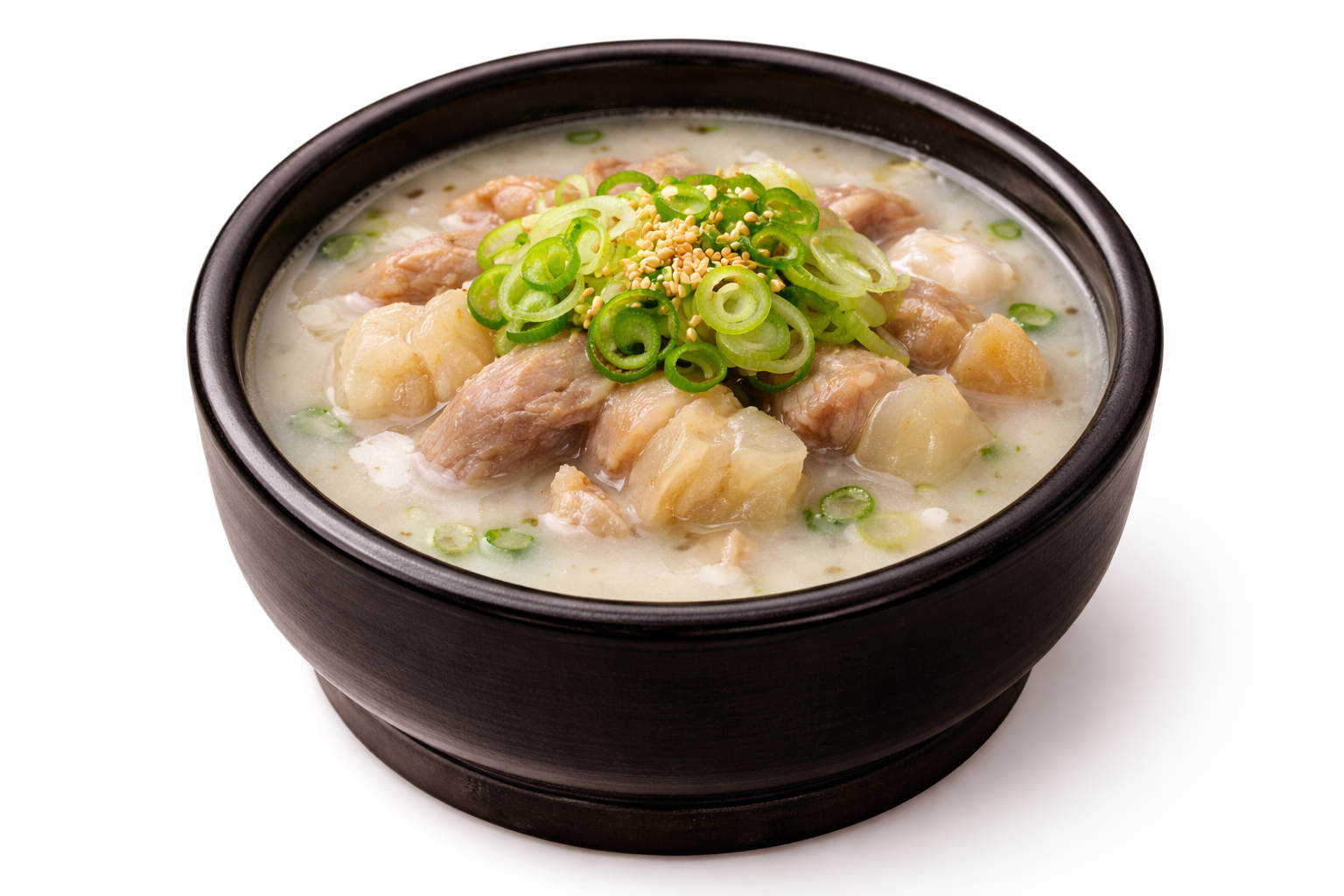
Doganitang is a traditional Korean soup made by patiently simmering the knee joints of beef over a long period of time.
Through this slow and careful cooking process, the cartilage and connective tissues rich in the knee joint gradually dissolve into the broth, giving it its signature milky color and gently viscous texture. The key components concentrated during this process are gelatin and collagen. In addition, the soup contains a generous amount of high-quality protein as well as minerals such as calcium and phosphorus.
Compared to other meat-based broths, doganitang is relatively low in fat and has a clean, mild flavor. This makes it especially appealing as a nourishing yet gentle dish that provides substantial nutrition without burdening the stomach. Its ability to restore energy while remaining easy to digest is one of its defining strengths. With its deep flavor developed through long simmering and its concentration of beneficial nutrients, doganitang represents not just a meal, but a form of culinary wisdom rooted in thoughtful health care.
When discussing the benefits of doganitang, the first aspect most often mentioned is its connection to joint and cartilage health. The gelatin and collagen released from the cartilage and connective tissues of the knee joint are not understood as having direct medicinal effects that “cure” joints. Rather, they contribute to maintaining joint health by supplying key nutrients that support cartilage and connective tissue. This nutritional background explains why many people turn to doganitang when they feel stiffness or discomfort in areas such as the knees or lower back.
Doganitang is also an excellent restorative dish that provides high-quality protein along with moderate calories. During periods of low energy or fatigue, its warm broth and tender texture help support overall vitality and physical recovery. It can be an effective option during post-illness recovery, such as after a cold, or when appetite is reduced, as it delivers essential nutrients while placing minimal strain on the digestive system. By gently warming the body, doganitang helps stimulate metabolism and supports the smooth functioning of the body as a whole.
In addition, doganitang has a major advantage as a source of protein that is gentle on digestion. For those who find regular meat dishes heavy or difficult to digest, doganitang can be a far more comfortable option. This is because the long, slow simmering process softens the connective tissues of the beef knee joint, and the soup-based form places minimal strain on the stomach and intestines.
For this reason, doganitang is often recommended for the elderly with weakened chewing ability, as well as for people in recovery after surgery who require carefully managed diets. Its tender texture and soothing warmth allow essential nutrients to be absorbed without discomfort, even when the body is at its weakest. In this way, doganitang goes beyond being a simple dish, standing as a wise element of Korean food culture that supports healing, recovery, and long-term health.
Even though doganitang offers many health benefits, it should not be consumed indiscriminately. While it is rich in collagen and protein, it also contains a relatively high amount of fat, and excessive intake may lead to weight gain or digestive discomfort. In particular, the fat that rises to the surface of the broth can be burdensome depending on one’s constitution, so skimming off excess oil before eating is recommended.
To manage sodium intake, it is best to season the soup lightly and appreciate its natural flavor, while also moderating the amount of side dishes such as kimchi or radish kimchi served alongside it. Rather than focusing solely on doganitang, pairing it with fresh vegetable sides and mixed-grain rice creates a more balanced meal and enhances nutritional synergy. Even the healthiest foods reveal their true value only when enjoyed with balance and moderation.
Doganitang is not a “medicine” that instantly treats specific illnesses, but rather a traditional restorative dish that slowly replenishes a tired body and supports overall well-being.
When sudden cold makes the body tense, when joints feel more stiff than usual, or when you simply crave a warm and satisfying meal, a bowl of doganitang offers deep comfort to both body and mind. Enjoyed in moderation as part of a balanced diet, doganitang can be a wise choice for getting through the cold winter in good health. This time-honored food culture goes beyond flavor alone, embodying generations of wisdom about health and well-being rooted deeply in everyday life.
As winter approaches, may the warmth and vitality of doganitang help you welcome the season in good health.