

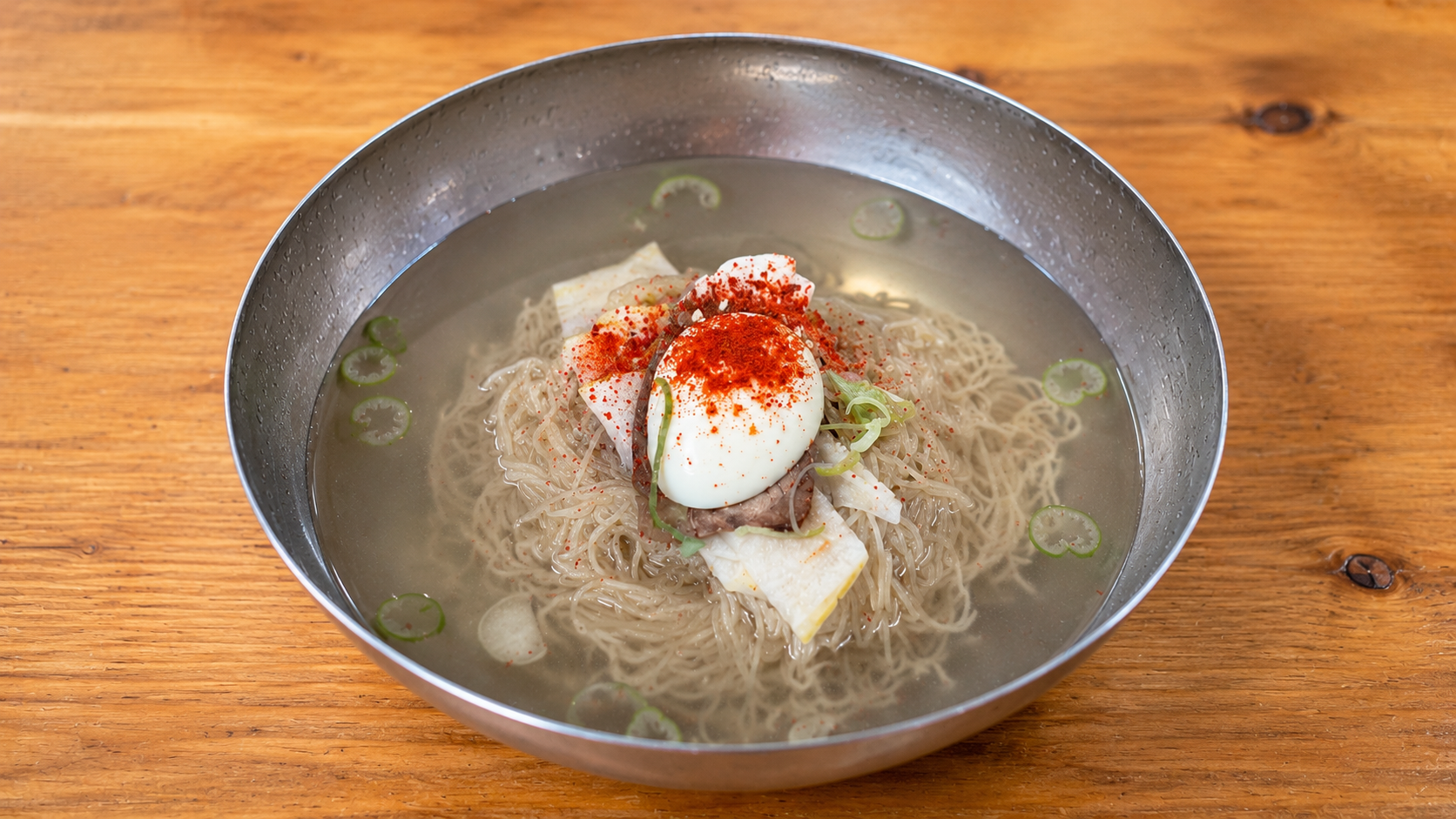
When I first tasted Pyeongyang Naengmyeon, my honest reaction was, ‘Why is this flavor so famous?’ However, a bowl of naengmyeon at Uijeongbu Pyeongyang Myeonok completely changed my perception. Why are so many people passionate about Pyeongyang Naengmyeon? Through the eyes of a first-time visitor, this article explores the unique appeal of Korea’s most iconic cold noodle dish and shares a few tips on how to enjoy it to the fullest at Uijeongbu Pyeongyang Myeonok.

Zakatamin is an everyday Myanmar meal where rice is shared alongside a variety of side dishes — a structure that may feel familiar to Koreans, yet new to many others. From regionally varied dishes to meals served on banana leaves, it offers a unique dining experience. Though it may feel unfamiliar at first, discovering how the different elements come together makes it both engaging and approachable. Through zakatamin, you can gain a deeper understanding of Myanmar’s food culture.

As seen in a scene from K-Pop Demon Hunters, gimbap is a food deeply woven into everyday life in Korea. Yet today, gimbap has become a global dish that can be easily found in supermarkets around the world. This article explores what makes gimbap uniquely Korean by looking at its differences from Japan’s norimaki and the many variations of gimbap that have captured global attention.

Miyeok-guk, a staple of Korean birthdays and postpartum care, is more than just a soup—it carries deep cultural meaning and nutritional value. Passed down through generations, it symbolizes a mother’s love and wishes for health. Rich in iodine, calcium, and iron, this seaweed soup is enjoyed with ingredients like beef, mussels, tuna, or bone broth, offering comforting warmth during cold seasons.

During the harsh winter, when subzero temperatures drain the body’s energy, a warm bowl of soup offers more than simple nourishment—it brings comfort and strength. Doganitang, a traditional Korean restorative soup, has long supported people through cold seasons. Rich in protein yet low in fat, it is known to aid joint health, restore vitality, and remain gentle on digestion. This hearty soup represents a timeless winter remedy, warming both body and spirit when it is needed most.

As January 1st approaches, we explore tteokguk, a traditional dish served on Korean tables to welcome the New Year. More than a simple meal, tteokguk symbolizes hopes for health, prosperity, and renewal. From long white rice cakes representing longevity to coin-shaped slices associated with wealth, this feature highlights the cultural meanings and traditions contained in a single bowl.
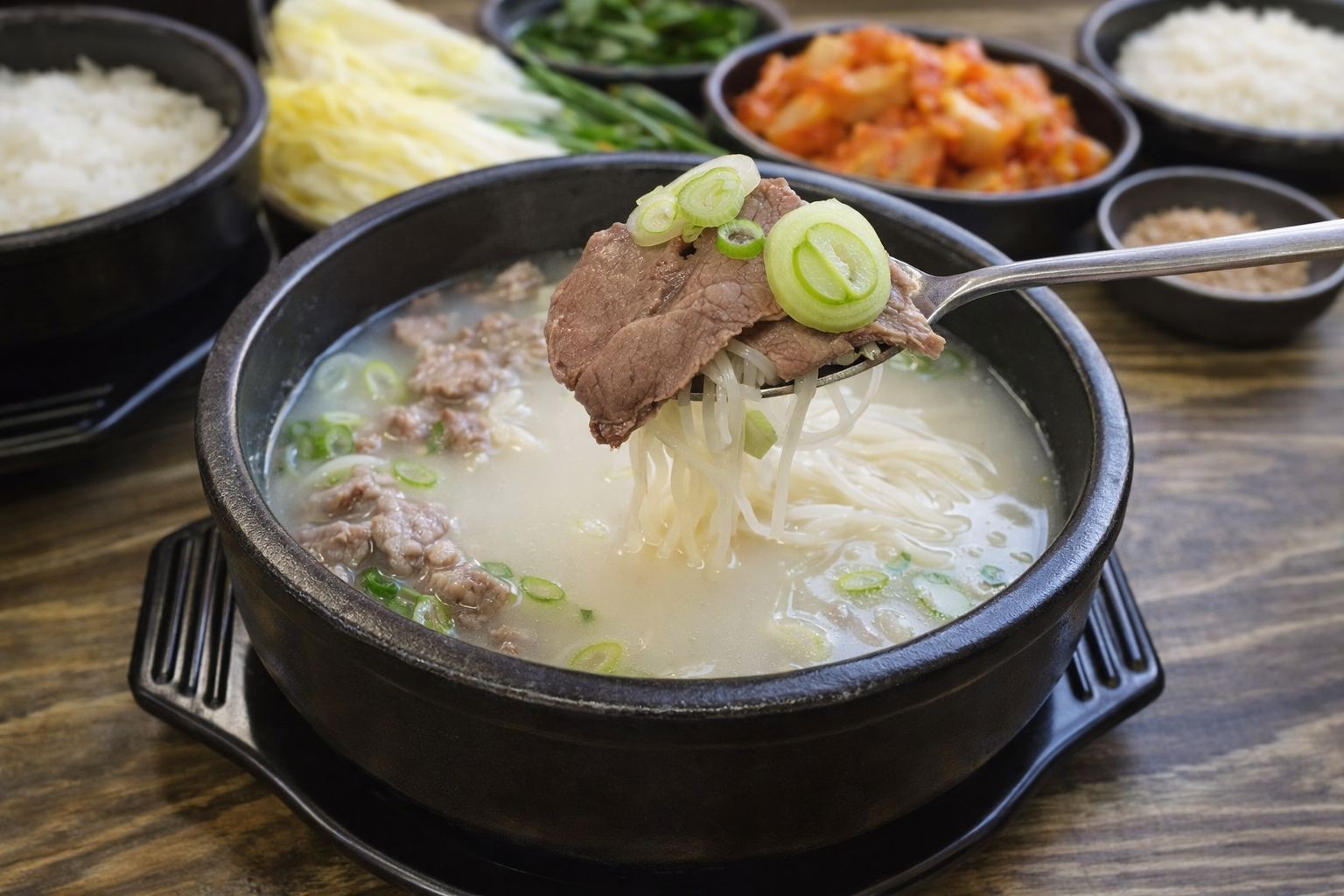
During the year-end and New Year season—filled with gatherings, heavy food, and drinks—seolleongtang is the perfect way to soothe an overworked stomach. This milky beef soup, a classic Korean winter dish, offers both warmth and nourishment. A bowl of seolleongtang with rice and kkakdugi restores comfort and helps you recover from fatigue or even a hangover. For a tired body and mind, few dishes offer relief as deeply as seolleongtang.
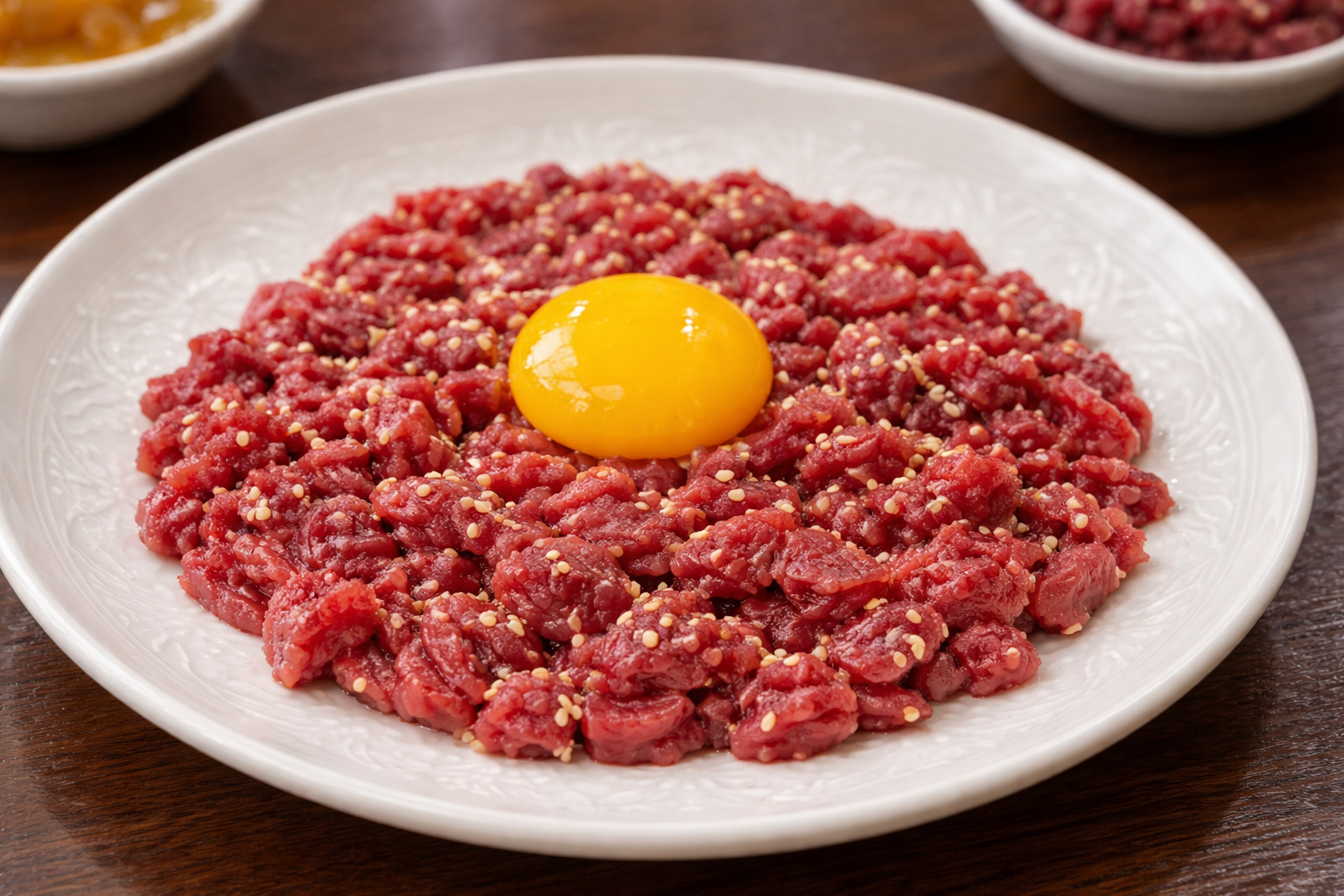
If you’re planning a Christmas home party that goes beyond the ordinary, consider yukhoe, a Korean-style beef tartare loved by many in Korea. With its refined presentation and delicate flavors—much like the famous yukhoe cake created by Kim Poong on a Korean cooking show—it instantly elevates any celebration. Enjoy the pure taste of fresh beef, then turn leftovers into yukhoe bibimbap or inari sushi to keep the party going. A unique and elegant choice for creating unforgettable holiday memories.
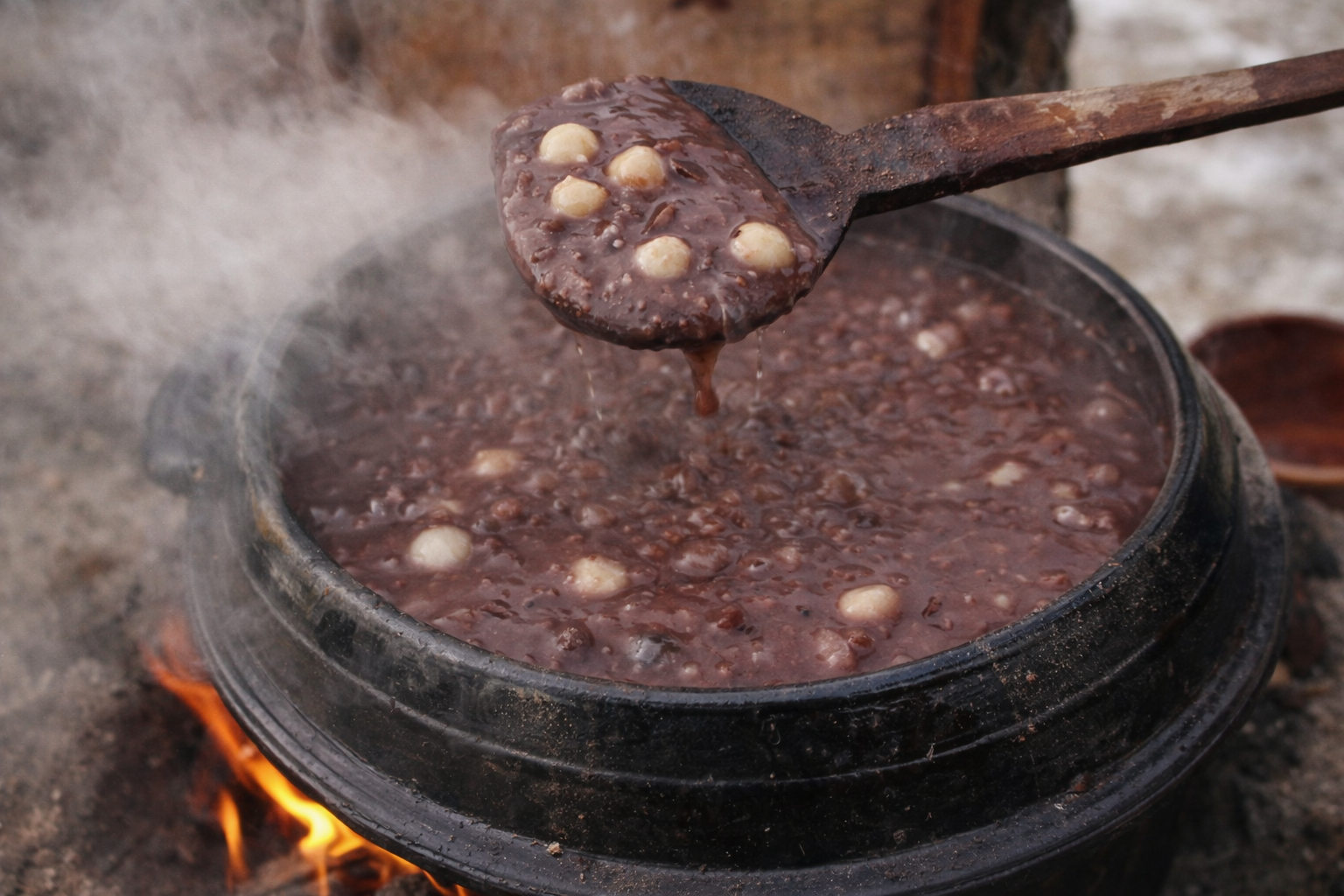
On Dongji, the winter solstice and the longest night of the year, Koreans traditionally eat red bean porridge to mark the end of the year and prepare for a new beginning. More than a seasonal dish, patjuk carries deep cultural meaning—believed to ward off misfortune and invite health and peace. This feature explores the origins of Dongji, the symbolism behind red bean foods, the varieties and culinary value of patjuk, and dishes that pair well with it, through the lens of a professional food mag

As December brings a flurry of year-end gatherings and home parties, dakbal is the perfect choice for those seeking a bold and fiery menu. More than just a spicy dish, dakbal is a beloved Korean soul food with a long history and a staple companion to drinks. From bone-in and boneless to soupy, stir-fried, and fried styles, this guide explores the many ways to enjoy dakbal—along with easy recipes for beginners and ideal drink pairings to make your gathering truly unforgettable.
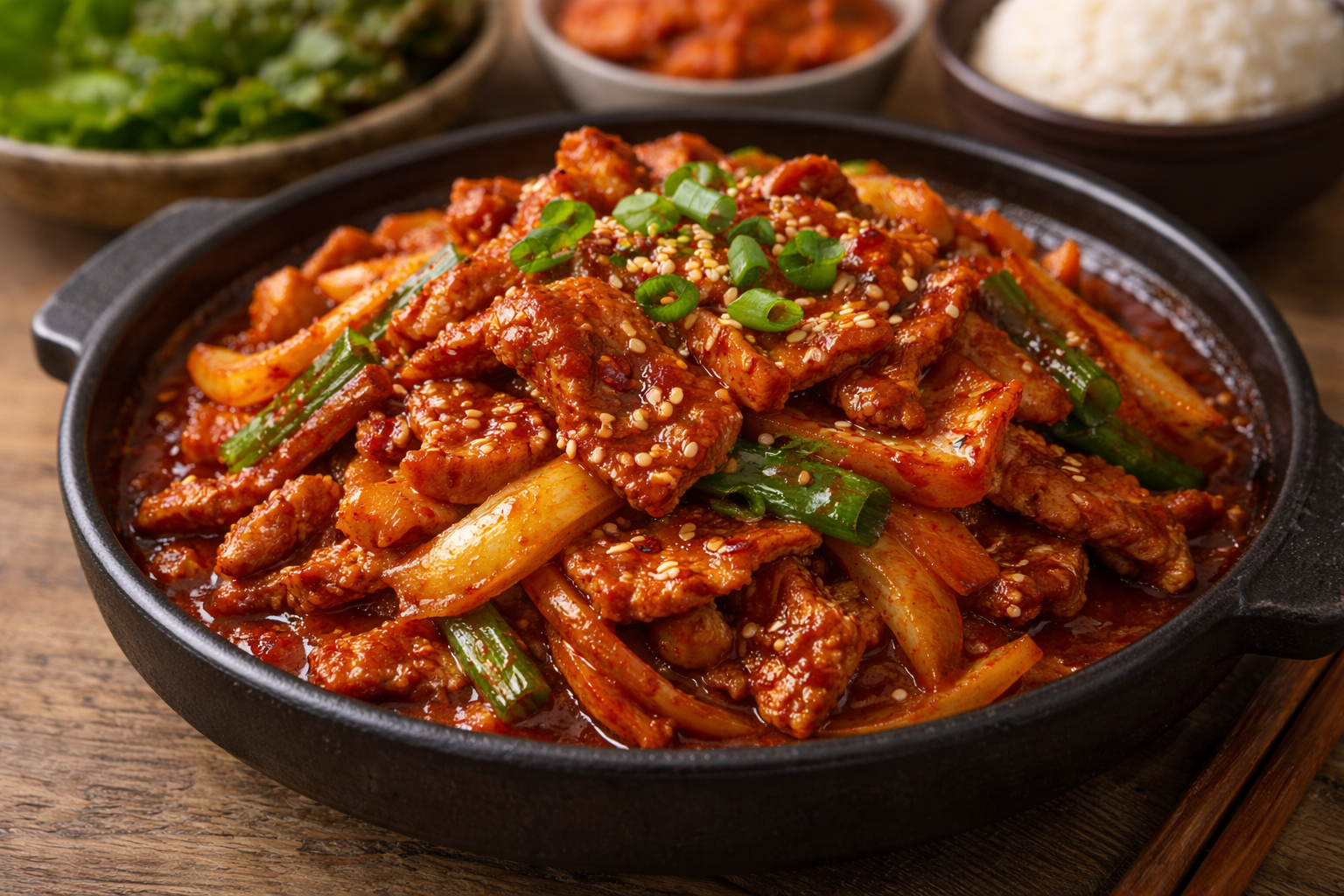
Jeyuk-bokkeum is a signature Korean pork dish, stir-fried in a gochujang-based sauce that blends spicy and savory sweetness. Perfectly paired with rice, it is loved as a comforting, energizing meal. This article explores its origins, cooking techniques, and popular variations such as jeyuk rice bowls and jeyuk bibimbap, highlighting how this dish embodies the flavors, emotions, and everyday life of Korea beyond a simple meal.
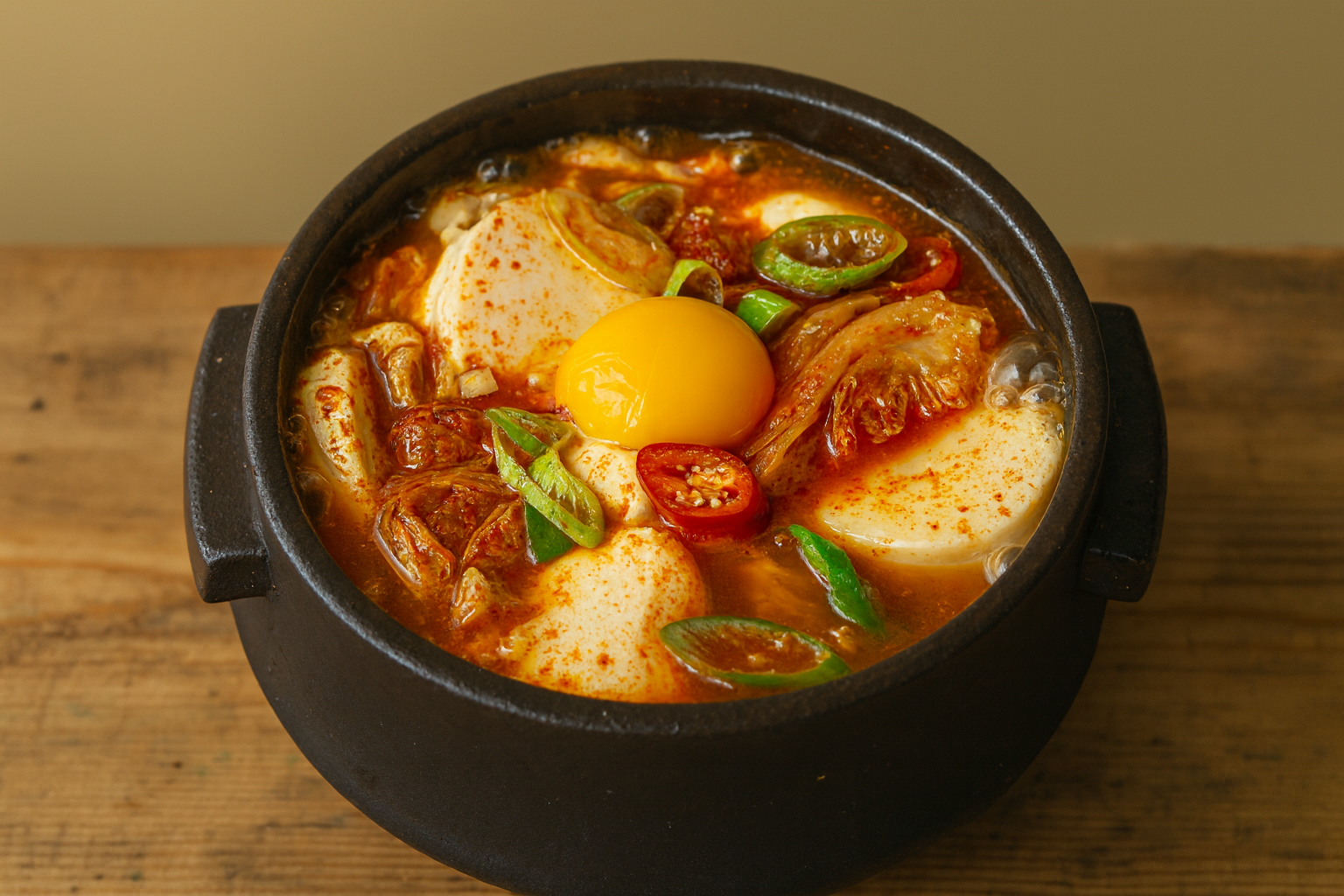
Sundubu jjigae, one of Korea’s most beloved soups and stews, pairs silky soft tofu with a bold, spicy broth—making it a comfort food enjoyed across generations. In this feature, we take a closer look at sundubu jjigae’s signature flavor profile, its versatile range of ingredients, and how it differs from another iconic spicy stew, kimchi jjigae. Join us as we explore the warm, soothing world of sundubu jjigae—where gentle texture meets fiery depth.
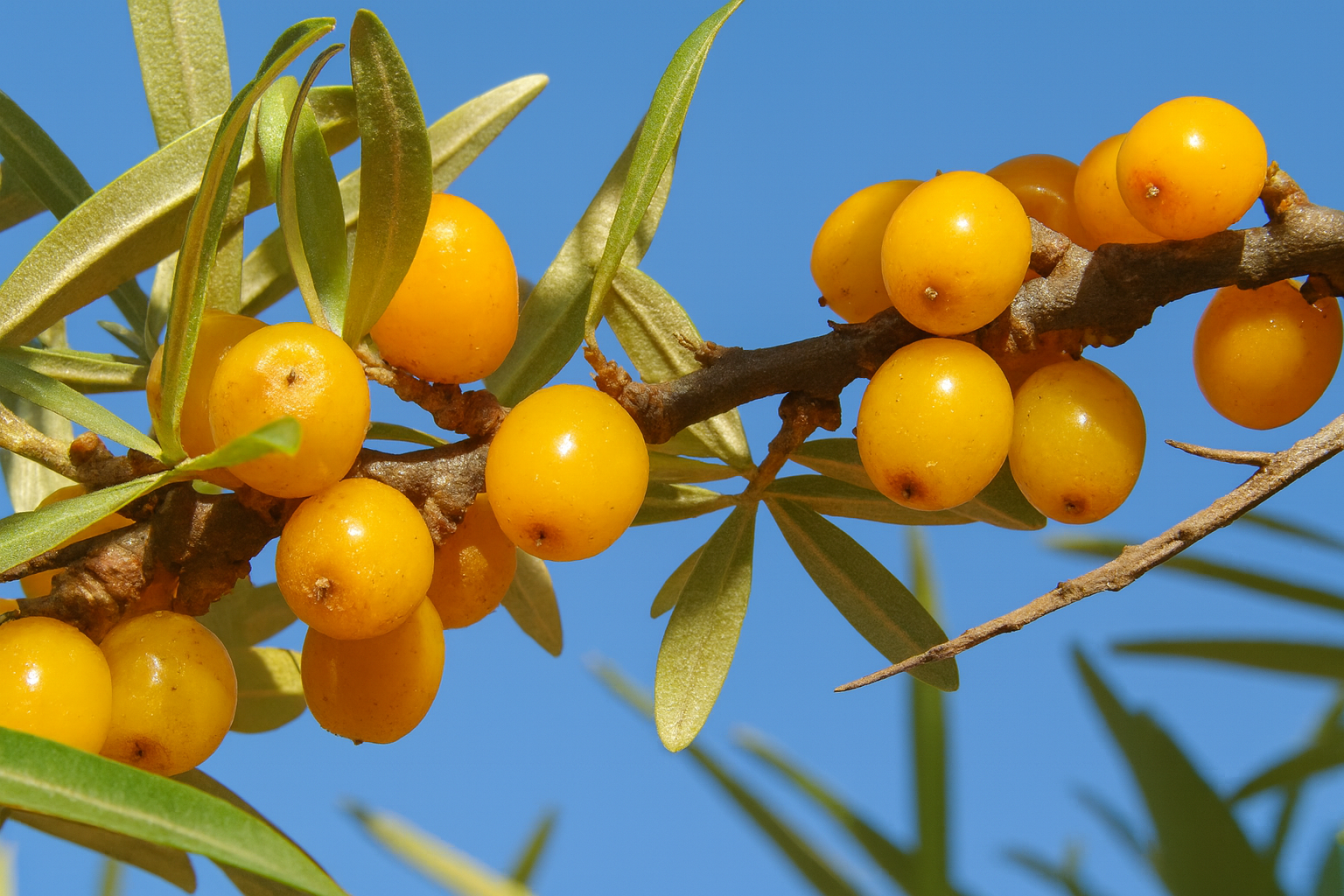
Chachargan Juice, made from sea buckthorn berries that thrive in Mongolia’s harsh environment, is a precious drink that supports the health and vitality of the Mongolian people. This golden juice—valued since ancient Greece and the era of the Mongol Empire—is rich in vitamins, minerals, and amino acids, and is renowned for its benefits to digestive health, cardiovascular wellness, and immune support. Discover the remarkable world of chachargan, deeply rooted in Mongolian life and tradition.
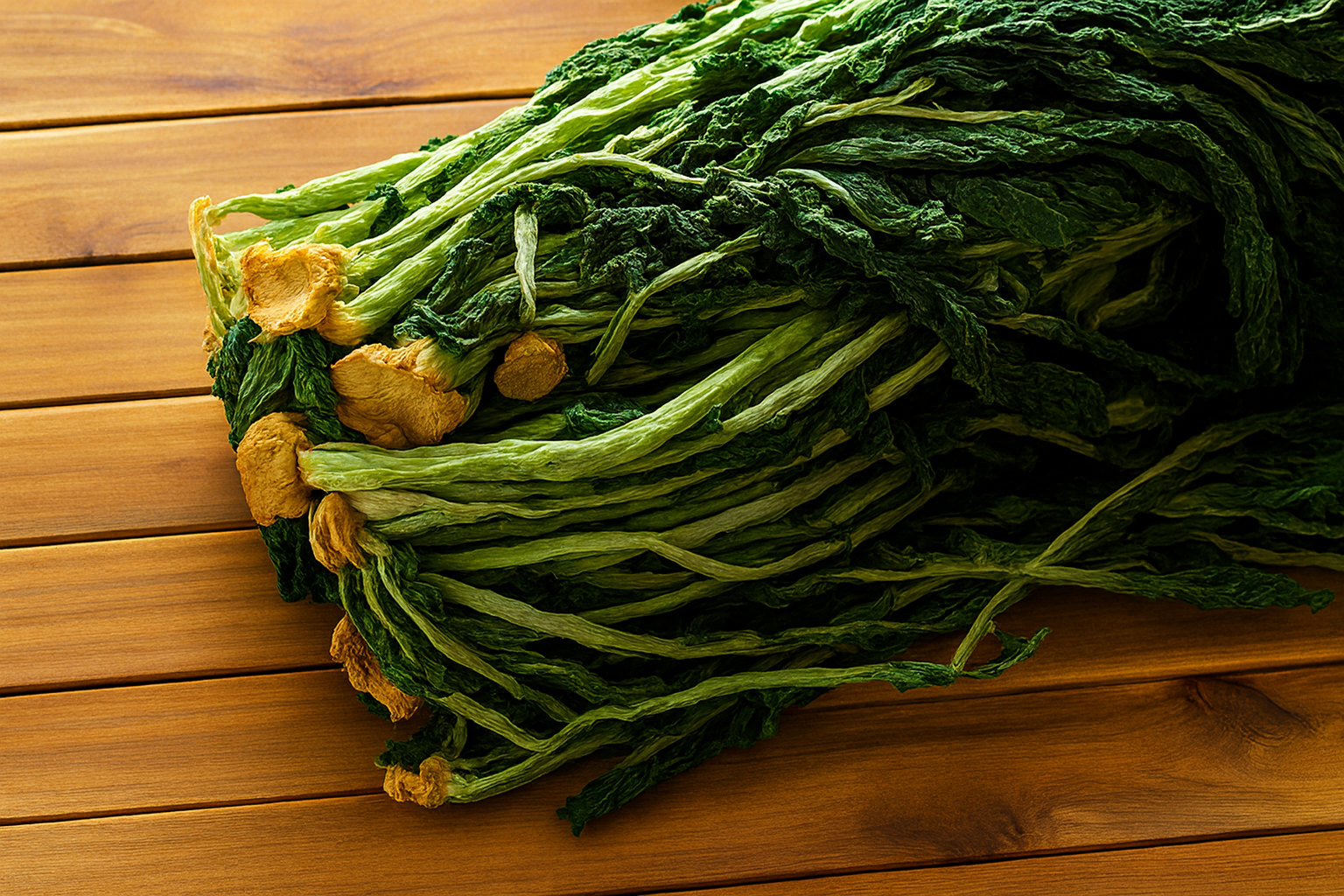
Siraegi is a traditional Korean ingredient made by drying radish greens. Once a famine food that helped people survive harsh winters, it is now valued as a nutritious ingredient rich in vitamins and dietary fiber. Widely used in dishes like soybean paste soup and seasoned vegetable sides, siraegi is loved for its deep, savory flavor and health benefits.

Tsuivan is Mongolia’s iconic stir-fried noodle dish that reflects nomadic culture and community life. Made with wheat noodles, meat, and vegetables, it has long been a staple during daily meals, travel, and outdoor activities. The rich flavor and fat from lamb provided essential energy in Mongolia’s harsh environment. Today, Tsuivan has evolved with diverse ingredients and cooking styles, gaining popularity and appealing to tastes around the world.

Discovered under Mongolia’s vast skies and summer heat, Ujamni Shus is a seasonal drink made from raisins and suitable for plant-based diets. More than a refreshing beverage, it is valued as a source of energy and nourishment. Rich in nutrients, it offers a unique drinking experience in which the soaked raisins are meant to be chewed, making Ujamni Shus a distinctive symbol of Mongolia’s summer.

Located in Dongdaemun Mongolian Town, Zalus has served Mongolian cuisine for 18 years. From local favorites such as Sharsan Khairak and Buuz to dishes well suited to Korean tastes, it is an ideal starting point for those curious about Mongolia or seeking distinctive international flavors. easyMenu helps visitors better understand the cuisine, and checking the online menu in advance is recommended. Enjoy an authentic Mongolian dining experience at Zalus.

Located near Achasan Station in Seoul, Gege is a traditional Mongolian restaurant that has served fresh, authentic flavors for five to six years. Using high-quality meat without artificial sweeteners, it focuses on honest, healthy cooking. Through the easyMenu X Mongolia project, Gege offers a multilingual menu and QR system, making Mongolian cuisine accessible to all. Signature dishes include Khuushuur, Chive Khuushuur, and Goulash.



