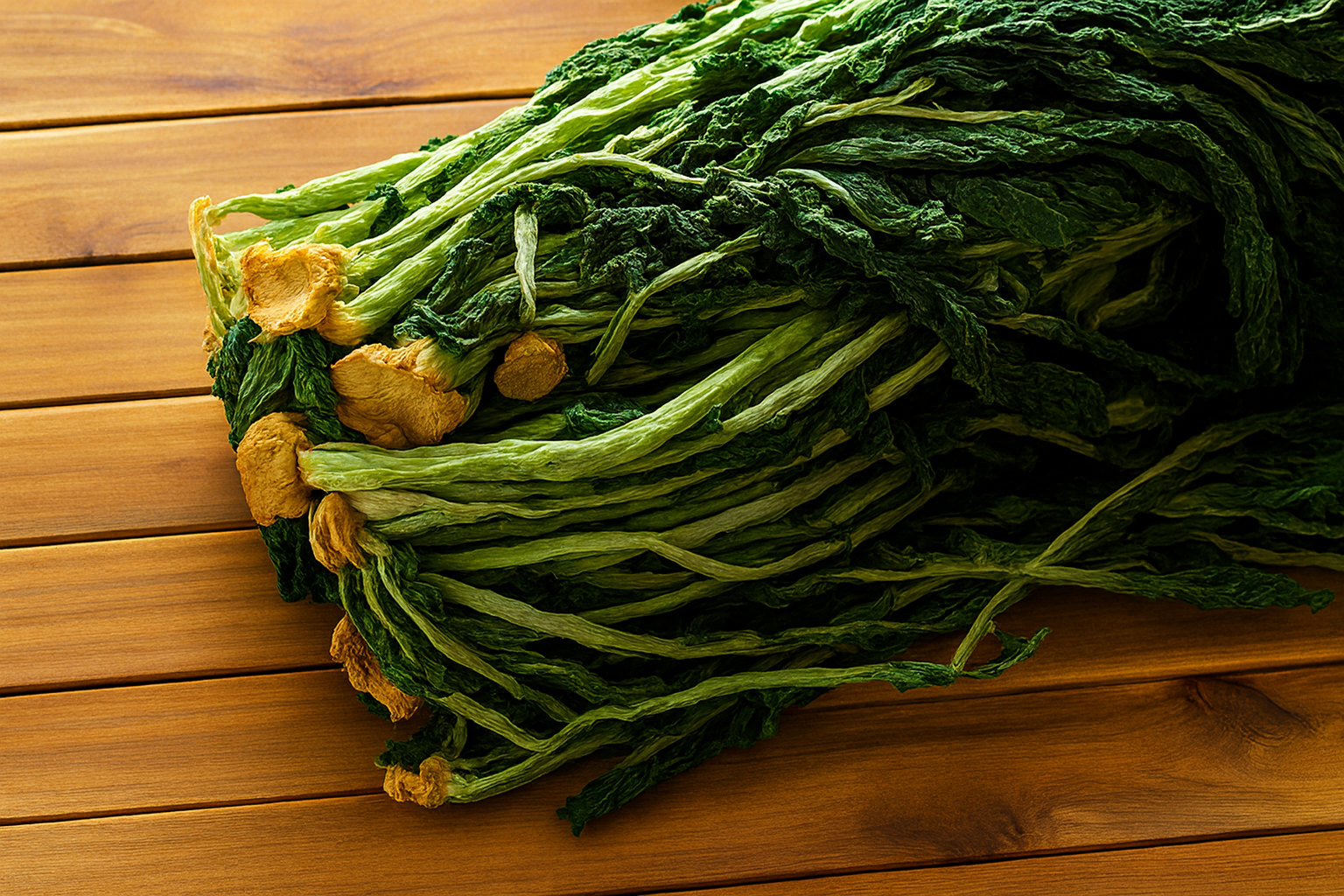
Among the ingredients long cherished on the Korean table are many whose true value is not immediately visible, yet deeply rooted. Siraegi, dried radish greens, is a prime example—humble in appearance but rich in nutrition and history. Once regarded as a modest food that helped people endure times of hardship or replace scarce vegetables during winter, siraegi has been reappraised in modern times for its outstanding nutritional benefits and distinctive flavor, earning recognition as a healthy ingredient.
Recently, siraegi drew renewed public attention when the presidential couple mentioned its health benefits on the television program Chef & My Fridge. This moment highlighted how siraegi has evolved beyond a simple ingredient into a cultural heritage that reflects the lives and wisdom of the Korean people.
In this article, we take an in-depth look at the hidden stories of siraegi—an ingredient that has sustained Koreans through winter—and explore its renewed value in contemporary cuisine.
The history of siraegi is deeply intertwined with the hardships and resilience of the Korean people. The practice of cutting radish greens from harvested radishes in autumn and drying them through the winter was more than a method of food preservation—it was a wise strategy developed by ancestors to prepare for the harsh months ahead.
During periods when farming was difficult, and especially in tragic times such as the Korean War, siraegi served as an essential famine food that sustained countless families. Its ability to retain nutrition and be stored for long periods allowed people to survive and maintain strength even in extreme scarcity. Historical accounts describing how people “added siraegi to borrowed rice to make porridge and survive the day” vividly illustrate how vital this ingredient once was.
This historical backdrop elevates siraegi beyond a simple vegetable, establishing it as a symbol of Korean resilience, resourcefulness, and the wisdom of making the most of what nature provides.
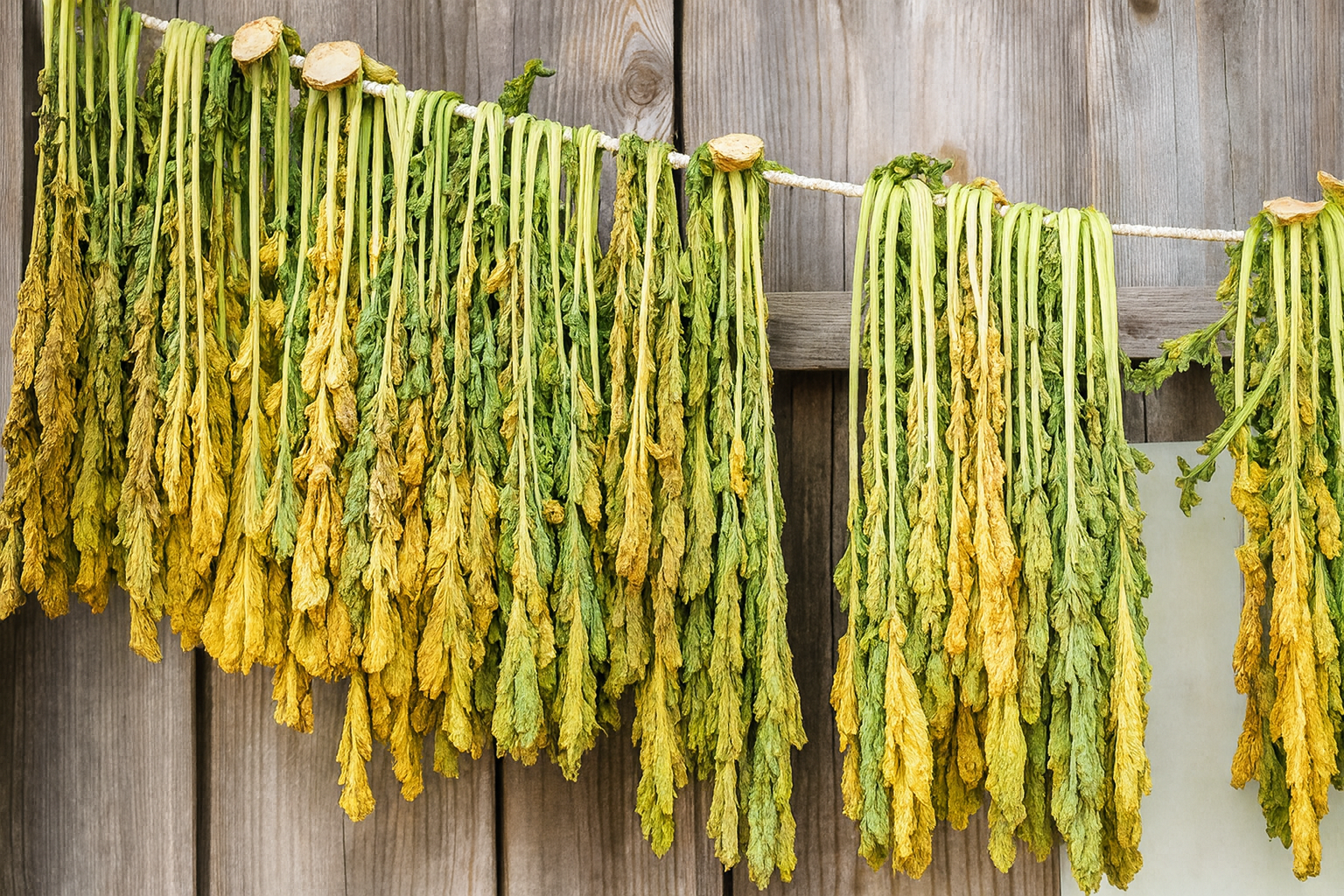
Siraegi may appear humble, but it is a remarkably nutritious health food packed with essential nutrients.
During the drying process of radish greens, moisture evaporates while beneficial components such as vitamins, minerals, and dietary fiber become more concentrated.
In particular, siraegi is rich in vitamins A, C, and K, as well as minerals like calcium and iron, which help strengthen the immune system, support bone health, and prevent anemia.
One of siraegi’s greatest strengths is its high dietary fiber content. This promotes healthy bowel movement, helping to prevent and relieve constipation, while also lowering cholesterol levels and supporting blood sugar control—contributing to the prevention of lifestyle-related diseases.
As such, siraegi has evolved from a historical famine food into a modern wellness ingredient, firmly establishing itself as an essential component of a healthy contemporary diet.
To fully enjoy siraegi, proper preparation is essential. Because siraegi is dried, it must be thoroughly rehydrated before cooking.
Soak it in lukewarm water for about a day, then simmer it until tender in a pressure cooker or a regular pot. This process softens its originally tough texture.
After boiling, rinse the siraegi several times in cold water to remove its characteristic bitterness. Peeling away the outer skin further enhances its tenderness and brings out a deeper, nuttier flavor.
These steps are crucial not only for improving taste but also for enhancing digestibility. When properly prepared, siraegi adds both depth of flavor and wholesome nourishment to a wide variety of dishes.
Siraegi is an excellent ingredient on its own, but it truly shines when incorporated into a wide range of Korean dishes. One of the most iconic preparations is siraegi doenjang-guk, a hearty soybean paste soup known for its deep, comforting flavor. The rich umami of doenjang harmonizes with the subtle, earthy aroma of siraegi, making it a staple soup on the Korean table.
Another popular dish is siraegi namul, lightly stir-fried in perilla oil, which offers a nutty and clean taste that helps revive the appetite. Beyond these classics, siraegi is used in diverse dishes such as siraegi jijim (pan-fried siraegi), siraegi-bap (rice cooked with siraegi), and braised pork ribs with siraegi, showcasing its remarkable versatility.
In recent years, siraegi has even found its way into fusion cuisine, appearing in dishes like pasta and pizza.
These modern interpretations highlight how this traditional ingredient continues to evolve, appealing to contemporary palates while preserving its roots. No longer just a humble food of the past, siraegi is now recognized as a key element shaping both present and future healthy food culture.