

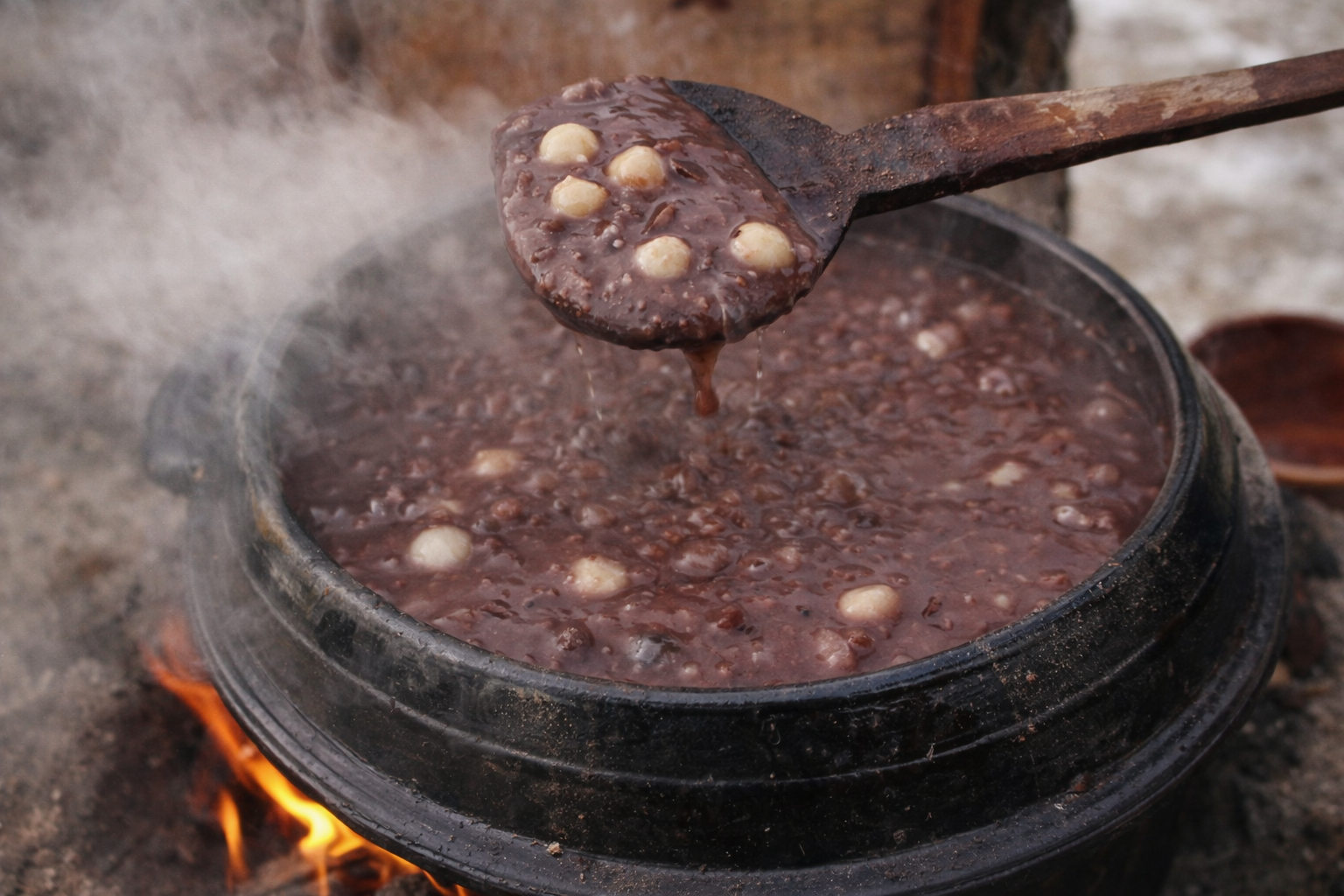
On Dongji, the winter solstice and the longest night of the year, Koreans traditionally eat red bean porridge to mark the end of the year and prepare for a new beginning. More than a seasonal dish, patjuk carries deep cultural meaning—believed to ward off misfortune and invite health and peace. This feature explores the origins of Dongji, the symbolism behind red bean foods, the varieties and culinary value of patjuk, and dishes that pair well with it, through the lens of a professional food mag
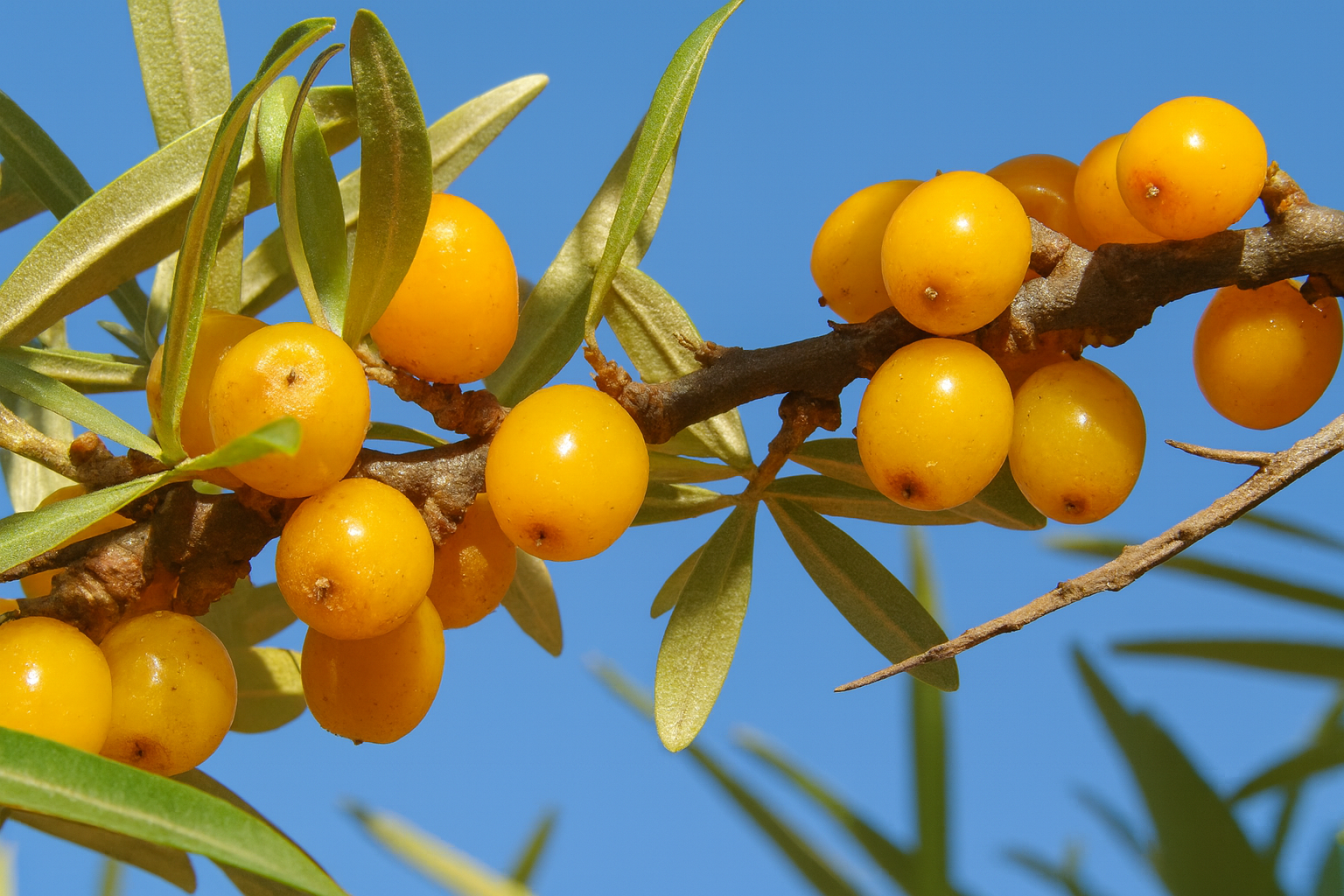
Chachargan Juice, made from sea buckthorn berries that thrive in Mongolia’s harsh environment, is a precious drink that supports the health and vitality of the Mongolian people. This golden juice—valued since ancient Greece and the era of the Mongol Empire—is rich in vitamins, minerals, and amino acids, and is renowned for its benefits to digestive health, cardiovascular wellness, and immune support. Discover the remarkable world of chachargan, deeply rooted in Mongolian life and tradition.
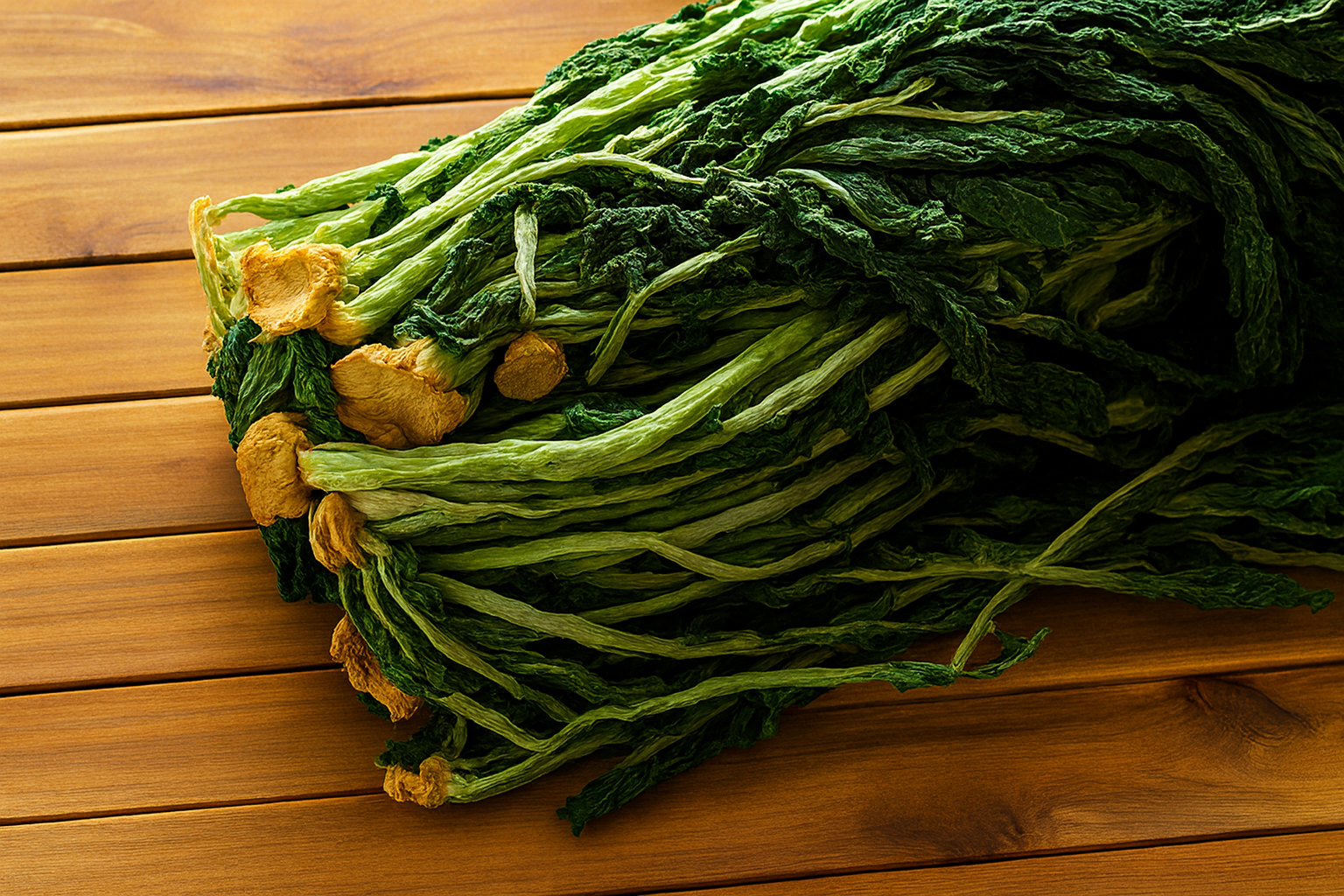
Siraegi is a traditional Korean ingredient made by drying radish greens. Once a famine food that helped people survive harsh winters, it is now valued as a nutritious ingredient rich in vitamins and dietary fiber. Widely used in dishes like soybean paste soup and seasoned vegetable sides, siraegi is loved for its deep, savory flavor and health benefits.

Discovered under Mongolia’s vast skies and summer heat, Ujamni Shus is a seasonal drink made from raisins and suitable for plant-based diets. More than a refreshing beverage, it is valued as a source of energy and nourishment. Rich in nutrients, it offers a unique drinking experience in which the soaked raisins are meant to be chewed, making Ujamni Shus a distinctive symbol of Mongolia’s summer.



