


Purple-colored ingredient “ube” is becoming popular in cafés and desserts. However, many people confuse it with purple sweet potato or taro. Ube is a type of yam commonly used in Filipino cuisine, and it may cause allergic reactions for some individuals. This article explains the differences between ube, taro, and purple sweet potato based on real experience, along with key points to watch out for. When trying unfamiliar ingredients, it’s best to check what they are before eating.

In April, Janggo Harbor in Dangjin, on Korea’s west coast, is known for a seasonal dish called silchi sashimi. Silchi are tiny, translucent juvenile fish caught in early spring and eaten raw for a short period, from late March to early May. Rather than eating them alone, they are typically mixed with vegetables, seasoned with sesame oil and sesame seeds, and wrapped in seaweed or perilla leaves to enhance their flavor and texture.

Zakatamin is an everyday Myanmar meal where rice is shared alongside a variety of side dishes — a structure that may feel familiar to Koreans, yet new to many others. From regionally varied dishes to meals served on banana leaves, it offers a unique dining experience. Though it may feel unfamiliar at first, discovering how the different elements come together makes it both engaging and approachable. Through zakatamin, you can gain a deeper understanding of Myanmar’s food culture.

As seen in a scene from K-Pop Demon Hunters, gimbap is a food deeply woven into everyday life in Korea. Yet today, gimbap has become a global dish that can be easily found in supermarkets around the world. This article explores what makes gimbap uniquely Korean by looking at its differences from Japan’s norimaki and the many variations of gimbap that have captured global attention.
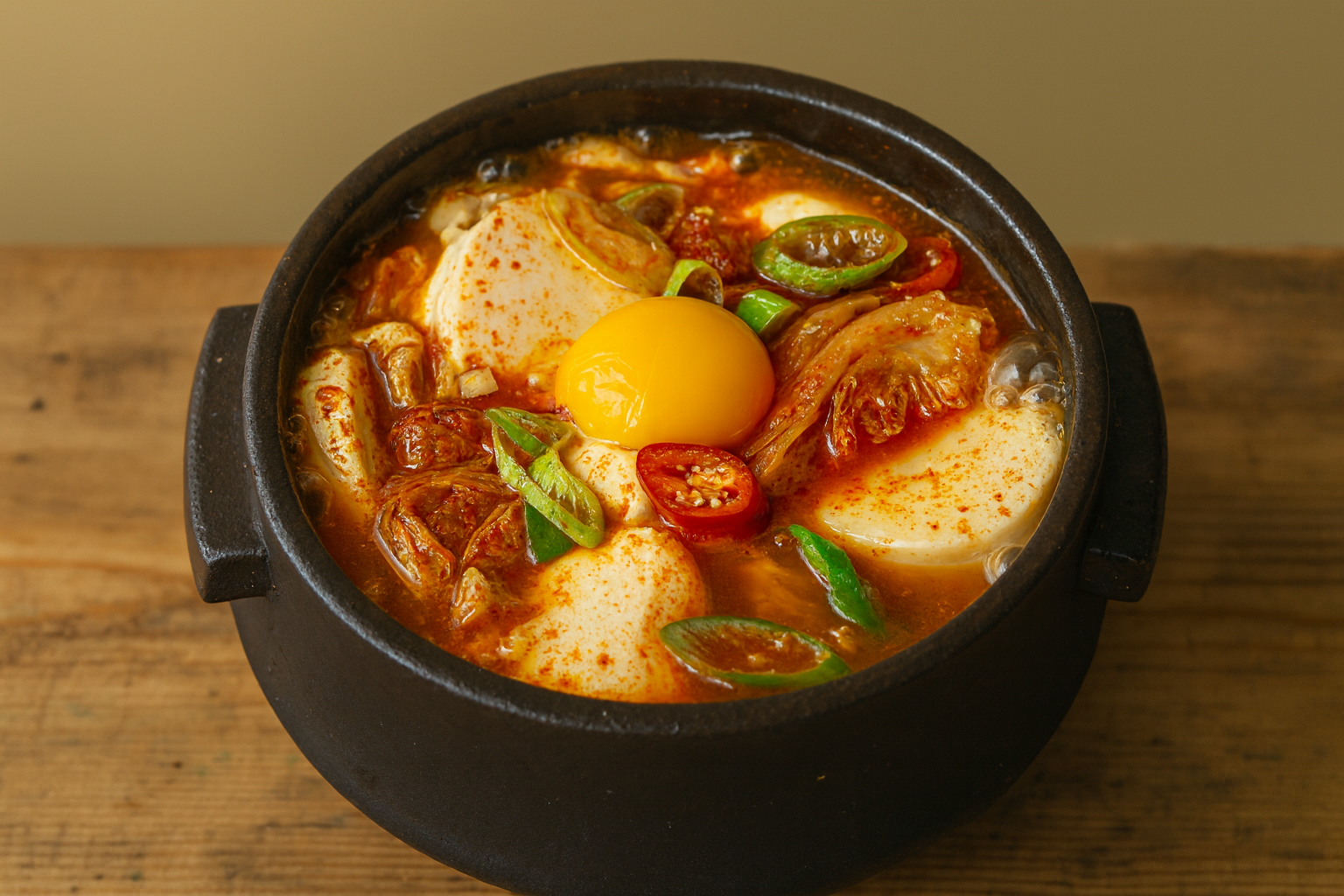
Sundubu jjigae, one of Korea’s most beloved soups and stews, pairs silky soft tofu with a bold, spicy broth—making it a comfort food enjoyed across generations. In this feature, we take a closer look at sundubu jjigae’s signature flavor profile, its versatile range of ingredients, and how it differs from another iconic spicy stew, kimchi jjigae. Join us as we explore the warm, soothing world of sundubu jjigae—where gentle texture meets fiery depth.
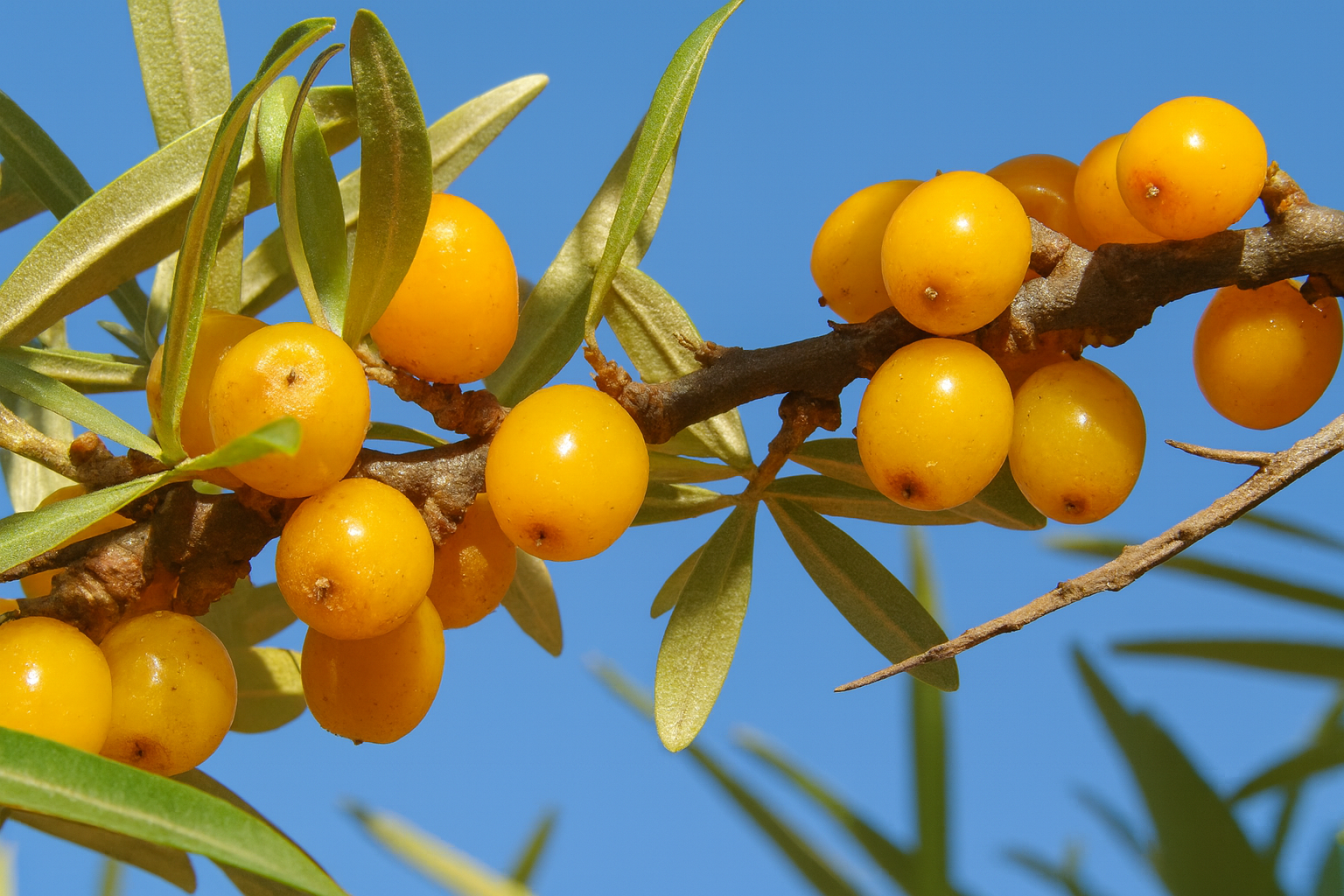
Chachargan Juice, made from sea buckthorn berries that thrive in Mongolia’s harsh environment, is a precious drink that supports the health and vitality of the Mongolian people. This golden juice—valued since ancient Greece and the era of the Mongol Empire—is rich in vitamins, minerals, and amino acids, and is renowned for its benefits to digestive health, cardiovascular wellness, and immune support. Discover the remarkable world of chachargan, deeply rooted in Mongolian life and tradition.

Tsuivan is Mongolia’s iconic stir-fried noodle dish that reflects nomadic culture and community life. Made with wheat noodles, meat, and vegetables, it has long been a staple during daily meals, travel, and outdoor activities. The rich flavor and fat from lamb provided essential energy in Mongolia’s harsh environment. Today, Tsuivan has evolved with diverse ingredients and cooking styles, gaining popularity and appealing to tastes around the world.

From the vast grasslands of Mongolia come two comforting soup dishes: Boorog Mahtei Shul and Hoi Chai. This guide explores the simple yet deeply flavorful meatball soup Boorog Mahtei Shul and the heartier, ingredient-rich Hoi Chai, highlighting their distinct textures and flavors. Through these dishes, readers gain insight into Mongolian food culture and are introduced to places in Korea where Hoi Chai can be enjoyed.

Discovered under Mongolia’s vast skies and summer heat, Ujamni Shus is a seasonal drink made from raisins and suitable for plant-based diets. More than a refreshing beverage, it is valued as a source of energy and nourishment. Rich in nutrients, it offers a unique drinking experience in which the soaked raisins are meant to be chewed, making Ujamni Shus a distinctive symbol of Mongolia’s summer.

Located in Dongdaemun Mongolian Town, Zalus has served Mongolian cuisine for 18 years. From local favorites such as Sharsan Khairak and Buuz to dishes well suited to Korean tastes, it is an ideal starting point for those curious about Mongolia or seeking distinctive international flavors. easyMenu helps visitors better understand the cuisine, and checking the online menu in advance is recommended. Enjoy an authentic Mongolian dining experience at Zalus.

Suutei tsai is a unique drink shaped by the lives of Mongolian nomads on the vast steppes. Made with milk, black tea, and salt—and sometimes enriched with butter or dried meat—it delivers a savory, nutty, and comforting flavor. More than a simple tea, suutei tsai reflects Mongolian hospitality and practical wisdom, making it an essential part of experiencing Mongolian culture.



