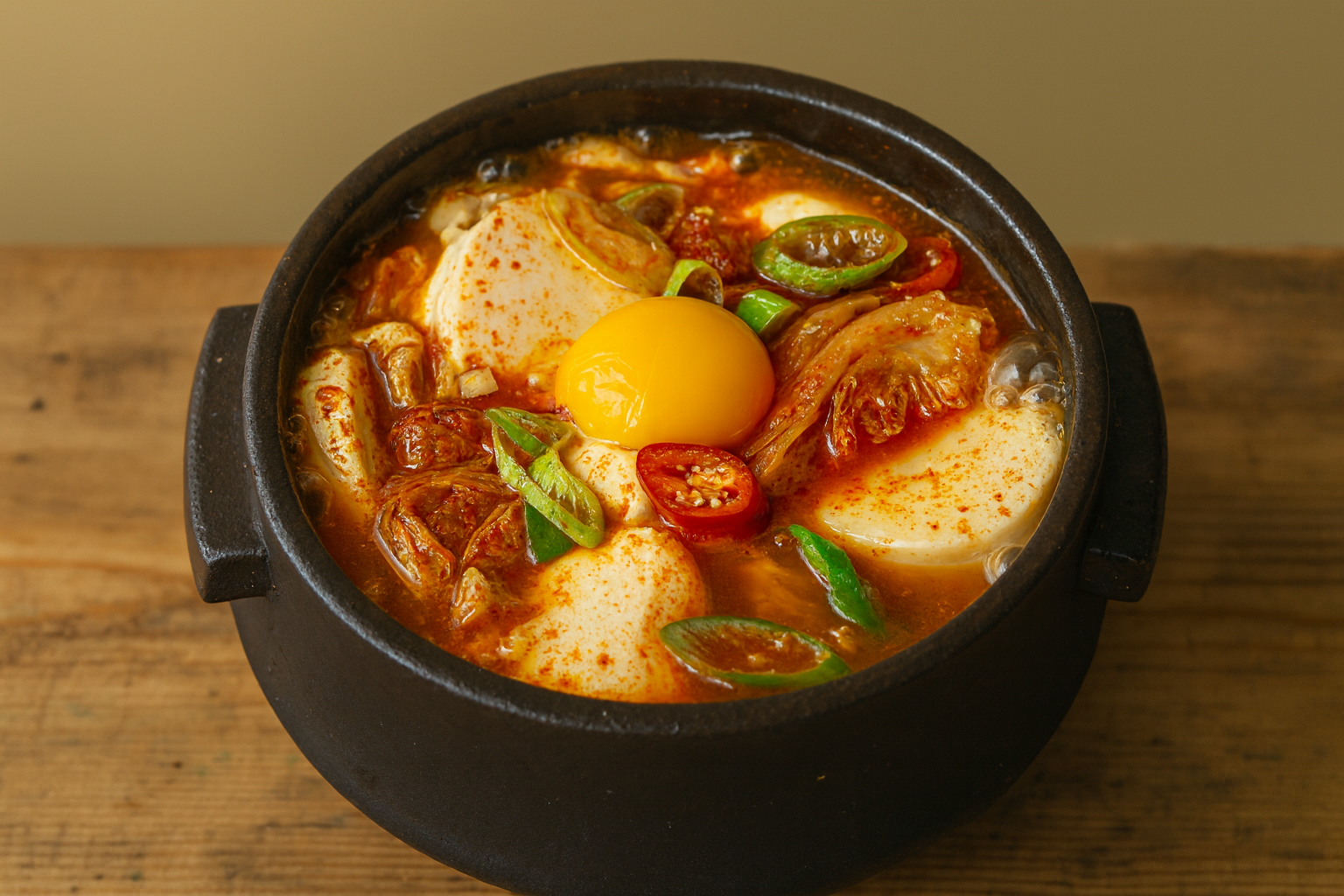
On the Korean table, sundubu jjigae is more than a simple stew. It is a go-to lunch for office workers seeking a hearty meal, and a comforting soul food that soothes both body and mind after a long, tiring day. The silky softness of freshly made tofu, paired with a spicy broth rich in umami from chili oil–sautéed minced meat or seafood, captures the essence of flavors Koreans deeply cherish.
Served bubbling in a hot earthenware pot, the rising steam alone is enough to awaken the appetite. It is especially beloved on chilly days and is also a popular choice as a restorative hangover dish. While sundubu jjigae stands as a complete dish on its own, it truly shines when enjoyed with a bowl of rice, reflecting a uniquely Korean sense of culinary balance.
Perfect for lovers of spicy food yet easily adjustable to milder levels, sundubu jjigae offers a flexible and inclusive dining experience. Thanks to this versatility and comforting appeal, it has grown beyond Korea, playing a meaningful role in introducing the warmth and depth of K-food to audiences around the world.
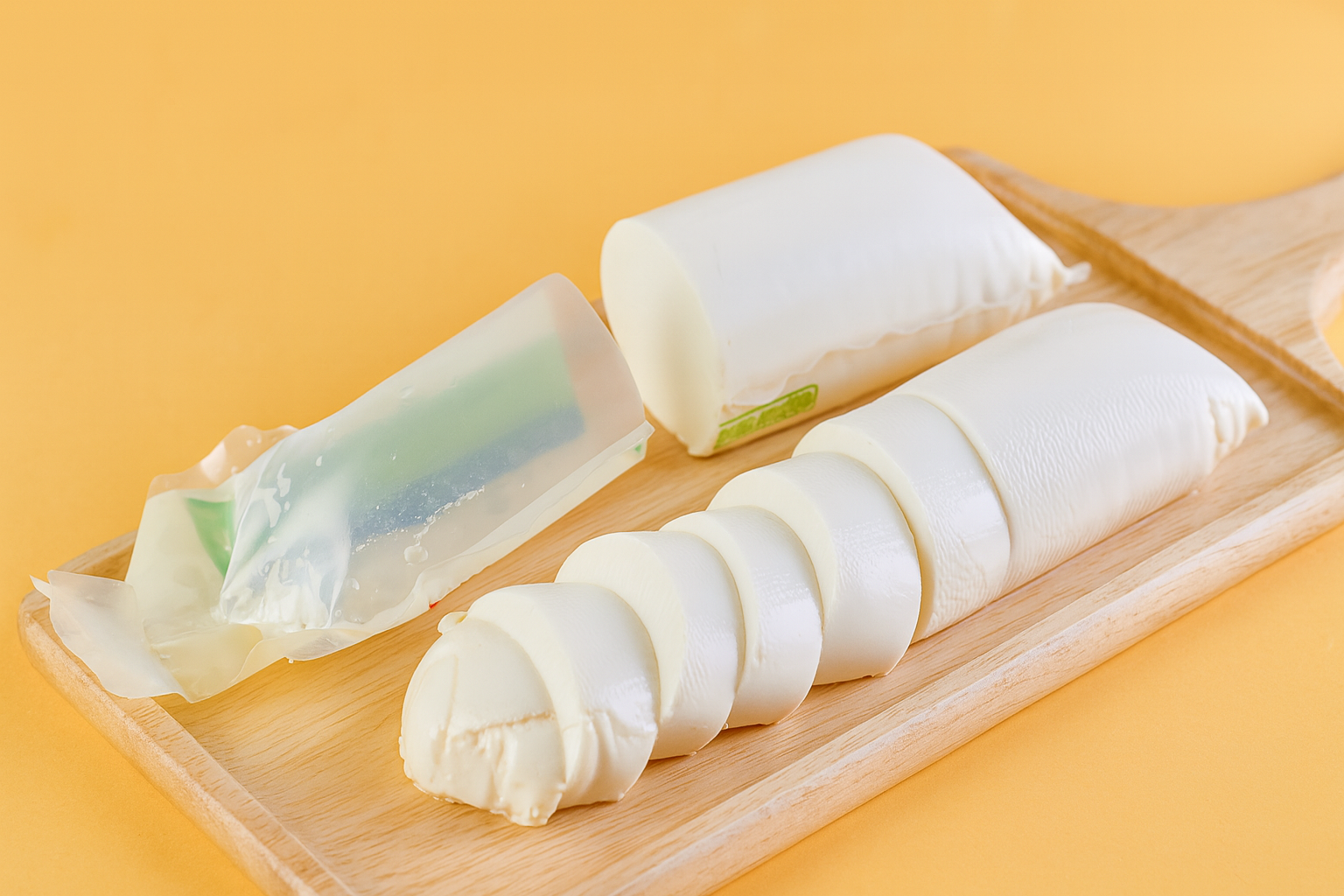
The defining ingredient of sundubu jjigae is, without question, sundubu—extra-soft tofu.
Unlike regular tofu, sundubu is made with minimal coagulant, resulting in a delicate, custard-like texture that plays a crucial role in the stew’s overall softness. As it simmers, the tofu absorbs the flavors of the broth while retaining its own subtle richness, creating a unique mouthfeel that gently coats the palate amid the spicy soup.
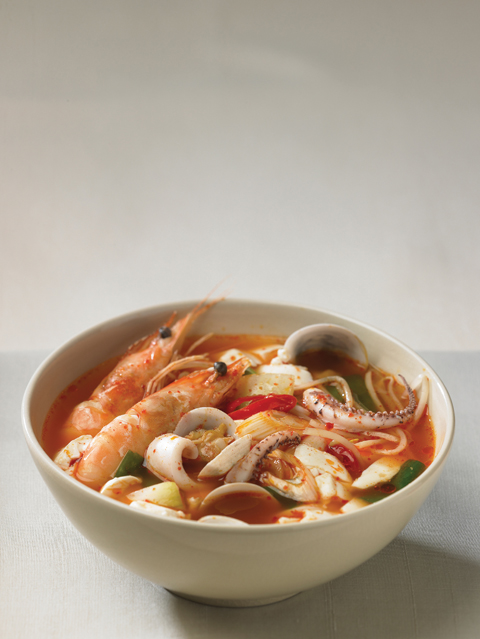
At its foundation, sundubu jjigae builds heat and depth using chili oil, followed by aromatics such as minced garlic, scallions, and onions sautéed to release their fragrance. Protein choices vary widely—beef, pork, or seafood such as clams, shrimp, and squid—each contributing layers of umami that deepen the broth’s complexity. To finish, an egg is often cracked directly into the stew for added silkiness, while garnishes like dried seaweed flakes or toasted sesame seeds enhance both aroma and visual appeal.
This careful balance of ingredients is what elevates sundubu jjigae beyond simple spiciness, offering a rich and multidimensional sensory experience.
Among Korea’s spicy stews, sundubu jjigae and kimchi jjigae stand out as enduring favorites. While both feature hot, fiery broths, they differ clearly in their key ingredients and flavor profiles.
Sundubu jjigae is built around extra-soft tofu and chili oil, often combined with seafood or meat broth. Its gentle spiciness is balanced by the tofu’s creamy texture, creating a smooth, comforting depth of flavor. Kimchi jjigae, on the other hand, centers on well-fermented kimchi. Simmered with pork or tuna, it delivers a bolder, more intense taste marked by tangy acidity and concentrated umami.
Though both stews are staples of the Korean table, each offers a distinct experience—one defined by softness and balance, the other by fermentation and boldness.
Both stews hold an essential place on the Korean table, yet each offers a distinct culinary experience—one highlighting softness and balance, the other emphasizing fermentation and intensity—together showcasing the remarkable diversity of Korean spicy cuisine.
Sundubu jjigae is a versatile dish that can be easily adapted to personal taste. The level of spiciness can be adjusted by controlling the amount of chili oil and chili flakes, and for a milder option—especially when dining with children—it can be enjoyed as baek sundubu jjigae, a non-spicy version.
Seafood lovers may add generous portions of clams or shrimp to create a refreshing seafood sundubu jjigae, while those who prefer richer flavors can opt for beef or pork to deepen the broth. Served bubbling hot in an earthenware pot, sundubu jjigae is often enjoyed by mixing rice directly into the stew or spooning the soft tofu over rice—both classic Korean ways of eating.
For an extra layer of richness, cracking a raw egg into the stew just before serving softens the broth and adds a delicate, savory depth, elevating the overall flavor experience.
With its delicate balance of softness and heat, sundubu jjigae has emerged as a leading K-food dish, captivating palates far beyond Korea. The cloud-like texture of soft tofu, the layered flavors contributed by diverse ingredients, and the comforting warmth of its spicy broth all affirm that sundubu jjigae is more than just food—it is a cultural experience.
Distinct from kimchi jjigae, sundubu jjigae represents another expression of Korea’s love for spicy cuisine, offering a depth of flavor shaped by fresh ingredients and thoughtful preparation. Whether enjoyed as a nourishing meal in the midst of a busy day or remembered as a moment of quiet comfort and culinary delight, sundubu jjigae leaves a lasting impression.
As a dish that continues to warm hearts and tables alike, sundubu jjigae stands as a meaningful symbol of the richness and diversity of Korean food culture—one well deserving of recognition on the global stage.