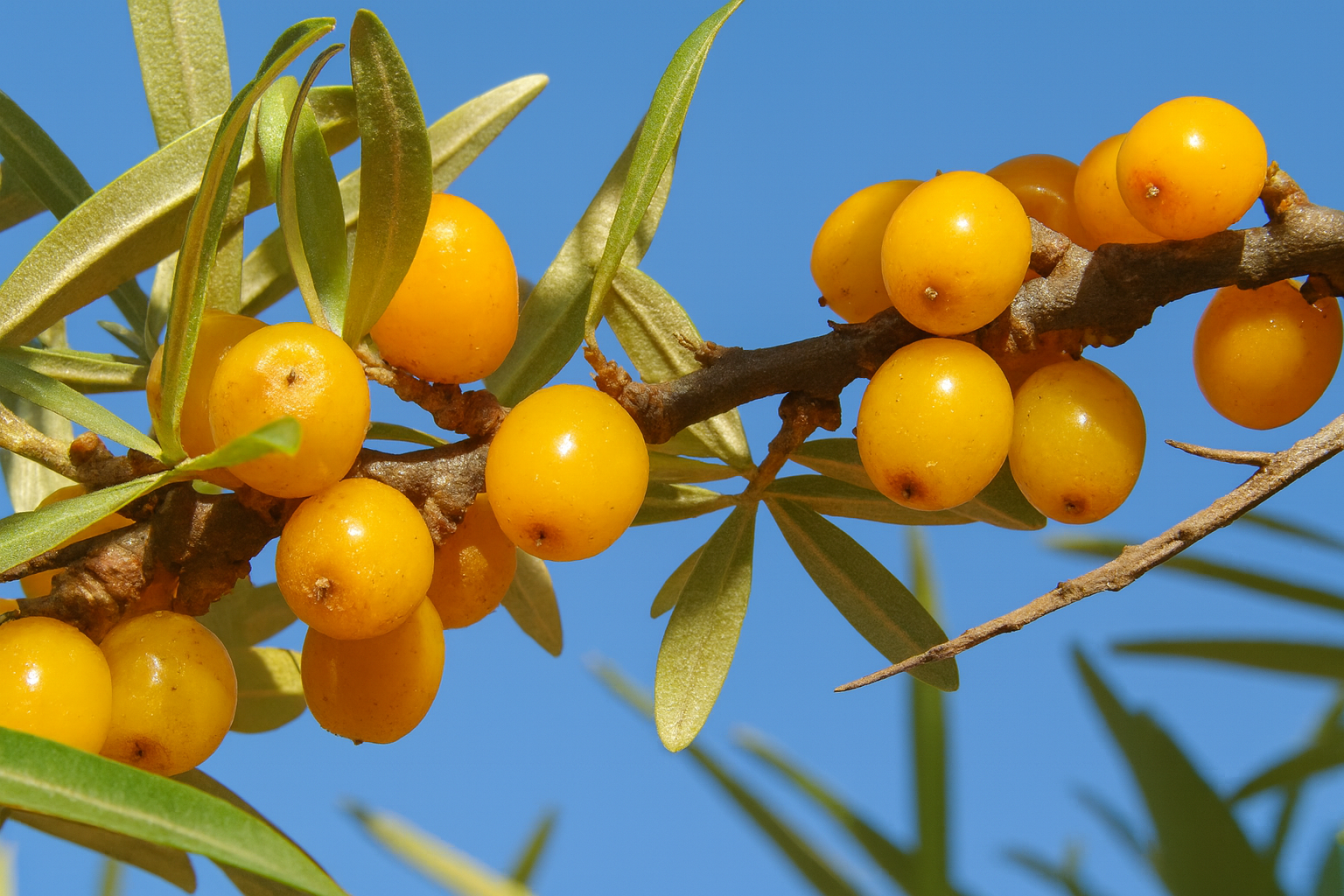
Mongolia, renowned for its vast wilderness and harsh climate, may appear barren at first glance, but within it lies a remarkable gift of nature filled with extraordinary vitality. This gift is sea buckthorn, known as Chachargan (Чацаргана)—often called the “fruit of kings.”
These small, golden berries are more than just fruit to the Mongolian people; they are a symbol of survival and vitality. The juice made from them, Chachargani Shuus, has become an indispensable and treasured beverage on Mongolian tables.
In Korea, sea buckthorn is also widely known as the “vitamin tree” or “vitamin berry.” Thanks to its resilience—thriving even in extreme environments—it is cultivated across Mongolia and revered as a golden treasure that safeguards the health of its people. The value of this fruit has been recognized since ancient times, having graced the tables of Mongolian khans as well as ancient Greek kings. Even today, it remains deeply rooted in Mongolian life, supporting the energy and vitality of its people.
This article explores the remarkable benefits and enduring wisdom embodied in this golden fruit, born from Mongolia’s rugged natural landscape.
The historical significance of chachargan (sea buckthorn) shines through ancient records and legends.
Around the 12th century BCE, ancient Greeks are said to have let their war-weary horses rest in forests after intense battles. According to legend, the horses regained remarkable vitality and even improved in appearance after feeding on sea buckthorn berries growing there. As a result, the area became known as a “sea buckthorn forest,” and the plant was given the name Hippophae rhamnoides, meaning “that which makes horses shine.” These stories suggest that chachargan was regarded not merely as a fruit, but as a source of life force and renewed energy.
Historical accounts also note that the khans of the Mongol Empire—who once conquered much of the known world—actively incorporated sea buckthorn into their diet. The fruit was believed to contribute to their exceptional stamina and physical strength, supporting their legendary campaigns.
Over thousands of years, chachargan has been recognized across civilizations for its benefits, earning a special status beyond that of an ordinary ingredient. Even today, oils and juices extracted from its berries continue to play an important role in the daily diet and health of the Mongolian people, carrying forward its long-standing legacy.
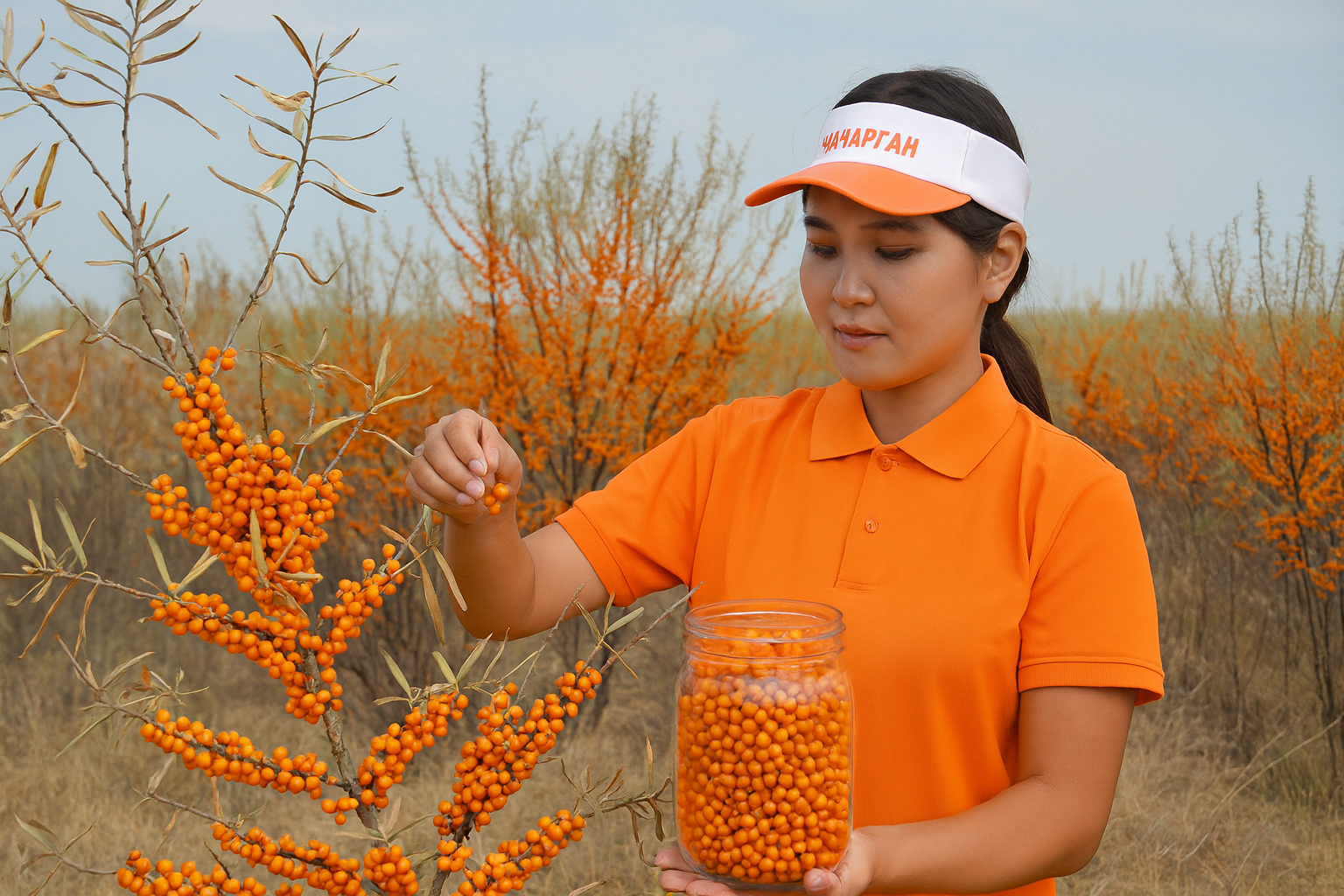
Despite their small size, chachargan (sea buckthorn) berries are a truly remarkable reservoir of nutrients. They are especially rich in vitamins A and E, which are essential for cell regeneration and maintaining healthy skin. A significant portion of the berry’s flesh consists of oil, highly concentrated with powerful antioxidants such as carotenoids, carotene (a precursor to vitamin A), and tocopherols (forms of vitamin E). Thanks to this unique composition, chachargan oil is widely valued as a premium ingredient in both the pharmaceutical and cosmetic industries.
In addition, chachargan contains a wide range of amino acids, proteins, and healthy fats, contributing to the body’s supply of essential nutrients. It is also rich in vital minerals such as calcium, phosphorus, magnesium, and sodium, which play important roles in bone health, nerve function, and electrolyte balance. Furthermore, the presence of various organic acids supports digestion and helps stimulate metabolism.
With its balanced abundance of vitamins, amino acids, minerals, and organic acids, chachargan can truly be regarded as a superfood that provides nearly all the nutrients the human body needs.
Chachargani Juice is a traditional Mongolian health drink valued for its wide range of benefits.
It is especially known for supporting digestive health, helping soothe the stomach and improve digestion. The juice also promotes cardiovascular health by improving blood circulation and supporting healthy arteries. Rich in vitamins and minerals, Chachargani juice strengthens the immune system and is widely consumed during Mongolia’s long, cold winters to prevent colds and fatigue.
Additionally, it is believed to support lung health, aid blood formation, and boost overall vitality. Its antioxidant properties contribute to skin health, cell regeneration, and anti-aging effects. Though its unique fruity aroma may feel unfamiliar at first, the flavor is pleasantly sweet and tangy—making it a nutritious drink that is both beneficial and enjoyable.

For Mongolians, Chachargani Shuus is more than just a drink—it is an integral part of daily life and a symbol of the wisdom and resilience forged in a harsh climate and vast natural landscape. During the long, bitter winters in particular, it is consumed regularly to help prevent colds and strengthen immunity, making it an essential element of Mongolian winter living.
In many households, fresh sea buckthorn berries are pressed at home to make juice, while others choose high-quality bottled Chachargani Shuus that is widely available and trusted for its hygiene and consistency. It is enjoyed with breakfast or at any time of day, serving both as a refreshing drink and a natural way to support health. Mongolians firmly believe in the benefits of sea buckthorn and continue to pass down its value and traditional uses to the next generation.
This enduring practice shows that Chachargani Shuus is not merely a beverage, but a cultural heritage—one that reflects the Mongolian philosophy of living in harmony with nature. If you ever visit Mongolia, experiencing this golden drink is a meaningful way to taste the vitality and spirit of Mongolian life.