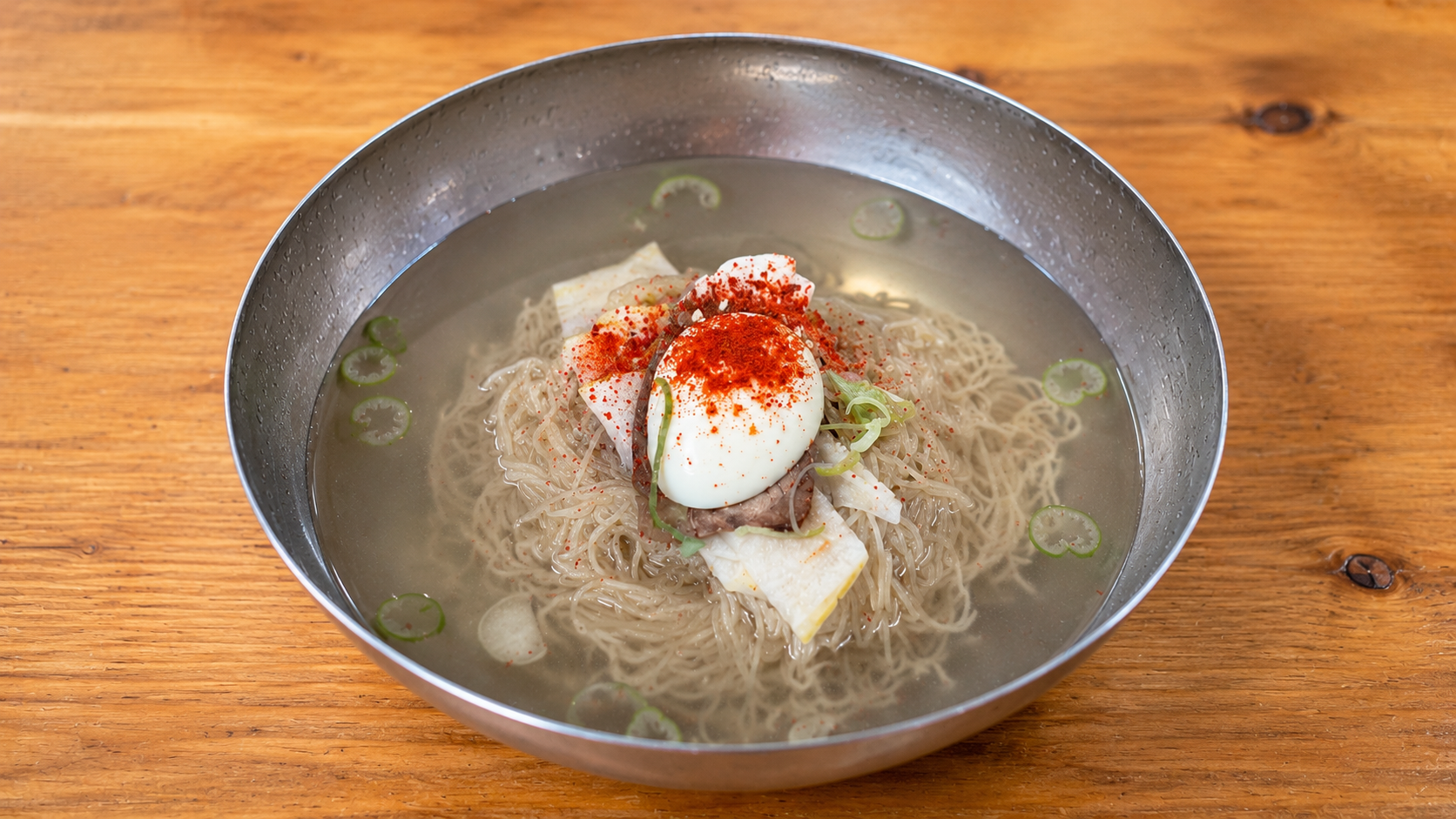
Today, let’s set off on a culinary journey into Mongolia’s soup culture—where the spirit of nomadic life and the breath of vast nature feel vividly alive.
Shaped by a harsh climate, Mongolia has long relied on warm, restorative broths as an essential part of daily life—comforting soups that seem to melt into the bones. When fresh meat and vegetables from the open steppe come together, they create a harmony of flavors that delivers both depth and warmth. The two representative Mongolian soups we will focus on today are Boorog Mahtei Shul (бөөрөнхий махтай шөл) and Hoichai (хуйцай). Their names may feel unfamiliar, and at first glance the dishes can look quite similar, but a closer look reveals that each carries its own distinct character and charm.
Shall we take a deeper dive into the history, culture, and flavor secrets contained in a single bowl of Mongolian broth? What do these two soups share—and how do they differ? Let’s explore their most interesting contrasts, step by step. A warm sip of Mongolian soup may just expand your culinary map in a truly memorable way.
The first dish we introduce is Boorog Mahtei Shul. In Mongolian, the name literally means “soup with round meat,” referring to its defining ingredient: hand-shaped meatballs.
Boorog Mahtei Shul is based on Nogotoi Shul (ногоотой шөл), a traditional Mongolian vegetable soup. While Nogotoi Shul highlights the natural flavors of fresh vegetables, Boorog Mahtei Shul builds upon this foundation by adding meatballs made from finely minced lamb or beef, deepening the broth’s savory richness. These meatballs are typically prepared with minimal seasoning, allowing the natural flavor of the meat to shine. As they gently cook in the hot broth, they release their juices, enriching the soup even further.
The broth itself remains clear and clean in character, yet it gains complexity from the umami and nuttiness drawn from the meatballs. Large chunks of potatoes, carrots, and onions add freshness and balance, while also contributing vitamins and fiber, making the dish a nourishing and well-rounded meal. Especially on cold winter days, Boorog Mahtei Shul is prized for its ability to warm the body and satisfy hunger.
Unadorned yet deeply comforting, Boorog Mahtei Shul reflects the quiet strength and practicality of Mongolian life. It is a soup that may appear modest, but delivers a profound appreciation for essential, honest flavors.

The next dish to explore is Hoi Chai (хуйцай). While it also features meatballs, its character is quite different from that of Boorog Mahtei Shul. Whereas Boorog Mahtei Shul focuses on the pure flavors of vegetables and meat, Hoi Chai is a more complex soup built on the base of Khar Shul (Хар шөл), a traditional Mongolian meat broth. A wide variety of ingredients come together in this dish, creating a rich combination of flavors and textures.
Even the name Hoi Chai suggests similarities to the Chinese dish huì cài (烩菜), which refers to a cooking method that brings multiple ingredients together in a single pot. This resemblance can be seen in the way Hoi Chai is prepared, and its true appeal lies in the harmony created by its diverse components.
Glass noodles add a pleasantly chewy texture, slipping smoothly through the broth and filling the mouth with satisfaction. Fried potatoes, crisp at first, soften in the soup while retaining their nutty richness, creating an engaging contrast. Beets lend a subtle sweetness and a distinctive aroma, while their deep red color enhances the visual appeal of the dish. Finally, a spoonful of sour cream adds brightness and creaminess, balancing the richness of the broth and rounding out the overall flavor.
Through the combination of meat, vegetables, noodles, and dairy, Hoi Chai offers a uniquely layered experience. Chewy, crisp, and smooth textures coexist in a single bowl, creating a rich and memorable sensory journey. This vibrant interplay of flavors and textures reflects the abundance of Mongolia’s vast natural landscape. For diners who enjoy experiencing multiple tastes at once, Hoi Chai is sure to leave a lasting impression.

When we step back to compare Boorog Mahtei Shul and Hoi Chai, the contrast between the two becomes clear. Boorog Mahtei Shul can be described as a dish devoted to essence. It's clean yet deeply flavored broth, shaped by fresh meat and vegetables, and its meatballs that highlight the natural taste of the meat itself, form the heart of the dish. Rather than relying on elaborate techniques, it emphasizes purity and freshness—reflecting the simple yet sustaining food culture that Mongolian nomads have preserved for generations.
Hoi Chai, on the other hand, is a dish that celebrates variety and harmony. Glass noodles, fried potatoes, beets, and other ingredients come together to create a rich interplay of flavors and textures. This complexity may reflect the influence of neighboring cultures that Mongolia encountered through historical exchange, as well as the open-minded culinary attitude of Mongolians who enjoy exploring new tastes.
If Boorog Mahtei Shul resembles the quiet, majestic solitude of the Mongolian steppe, Hoi Chai calls to mind a lively festival where many tribes gather—vibrant, abundant, and full of energy. It would be unfair to say that one dish is better than the other. The choice simply depends on what kind of experience the palate seeks. Those craving comfort and depth in a clear meat broth may gravitate toward Boorog Mahtei Shul, while those drawn to layered flavors and diverse textures will find Hoi Chai deeply satisfying.
Both dishes share a common thread: they carry the warmth, wisdom, and everyday philosophy of Mongolian life. In this way, Mongolian soups go beyond nourishment—they serve as a meaningful gateway to understanding the culture and history of the people who created them.
Did you enjoy learning about Mongolia’s comforting soup dishes? If so, you may be eager to taste them for yourself. Unfortunately, Boorog Mahtei Shul is still difficult to find in Korea, as there are few restaurants that specialize in this dish. However, the good news is that Hoi Chai can be experienced at select Mongolian or Russian restaurants in Korea.
If you are curious to try this distinctive soup—where chewy glass noodles, crispy potatoes, and tangy sour cream come together in one bowl—consider visiting Mongolian restaurants located in foreigner-friendly districts such as Seoul’s Dongdaemun area or near Busan Station in Busan. Before visiting, it is recommended to call ahead and confirm whether Hoi Chai is available, as menus may vary by day.
A single bowl of Hoi Chai, prepared in the spirit of Mongolian home cooking, can offer a brief yet memorable culinary journey to the open steppe. After all, discovering new flavors is always an exciting adventure—and sometimes, it begins closer to home than you might expect.
In this way, Mongolia’s soup dishes—Boorog Mahtei Shul and Hoi Chai—each carry their own distinct charm, yet both are deeply rooted in the everyday lives of Mongolians. Within a single bowl lies the wisdom and warmth of people who have endured a harsh natural environment with resilience and care.
The clean, deeply comforting broth of Boorog Mahtei Shul offers a sense of reassurance, much like a mother’s embrace that soothes both body and mind. Hoi Chai, with its diverse ingredients and layered textures, heightens the pleasure of dining and brings a renewed sense of vitality. Together, these dishes go beyond simple nourishment, serving as meaningful windows into Mongolia’s culture and emotional landscape.
If you ever have the chance to visit Mongolia, we highly recommend tasting these warm soups while gazing out over the endless steppe. In that moment, your senses may find a rare sense of peace and fulfillment, in harmony with the vast natural world around you. And if a journey to Mongolia is not yet possible, trying Hoi Chai in Korea can be a wonderful first step into Mongolian cuisine. Discovering new flavors always brings small moments of joy and anticipation—so stay tuned for where our next culinary journey may lead.