


Purple-colored ingredient “ube” is becoming popular in cafés and desserts. However, many people confuse it with purple sweet potato or taro. Ube is a type of yam commonly used in Filipino cuisine, and it may cause allergic reactions for some individuals. This article explains the differences between ube, taro, and purple sweet potato based on real experience, along with key points to watch out for. When trying unfamiliar ingredients, it’s best to check what they are before eating.
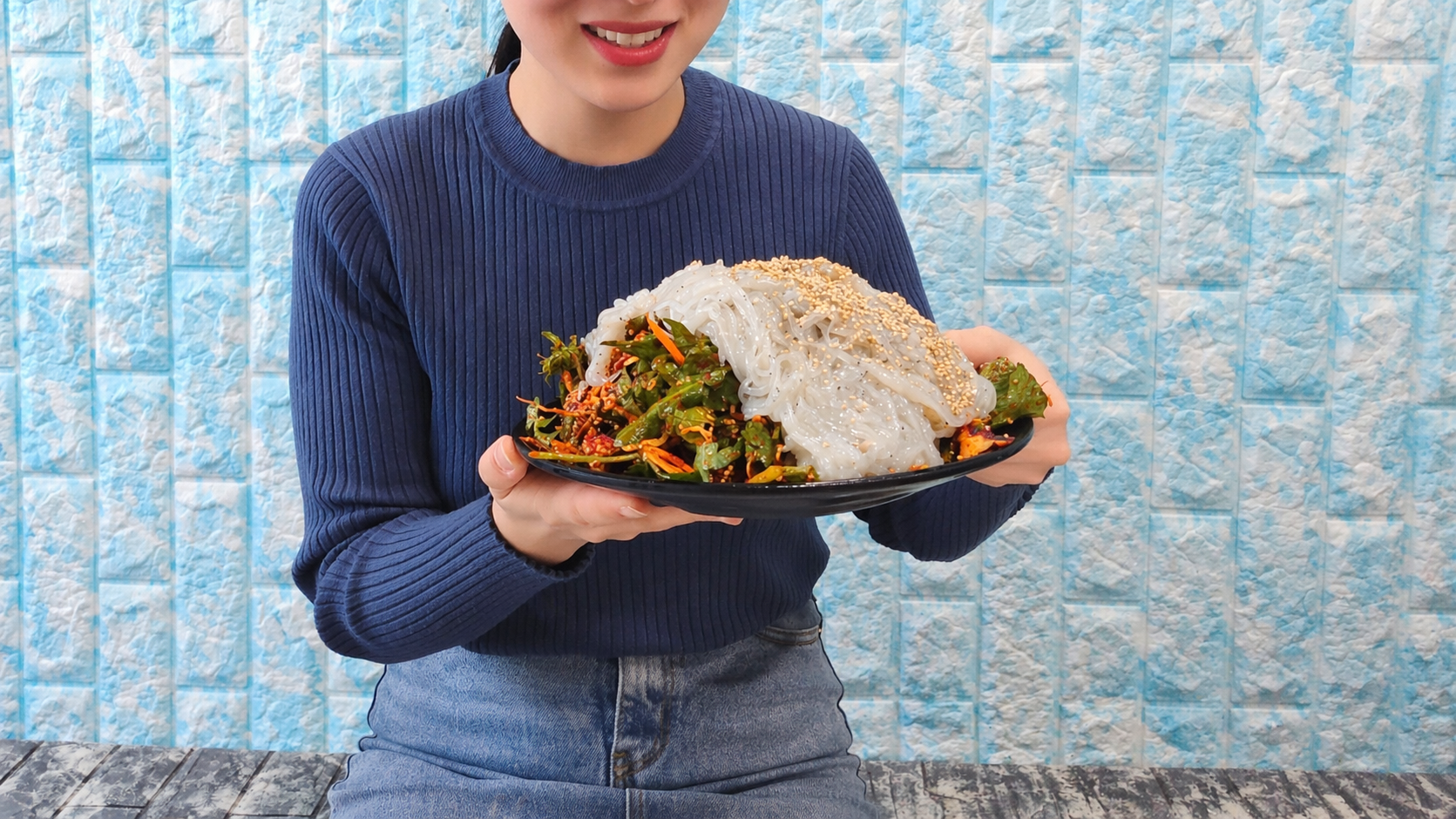
In April, Janggo Harbor in Dangjin, on Korea’s west coast, is known for a seasonal dish called silchi sashimi. Silchi are tiny, translucent juvenile fish caught in early spring and eaten raw for a short period, from late March to early May. Rather than eating them alone, they are typically mixed with vegetables, seasoned with sesame oil and sesame seeds, and wrapped in seaweed or perilla leaves to enhance their flavor and texture.
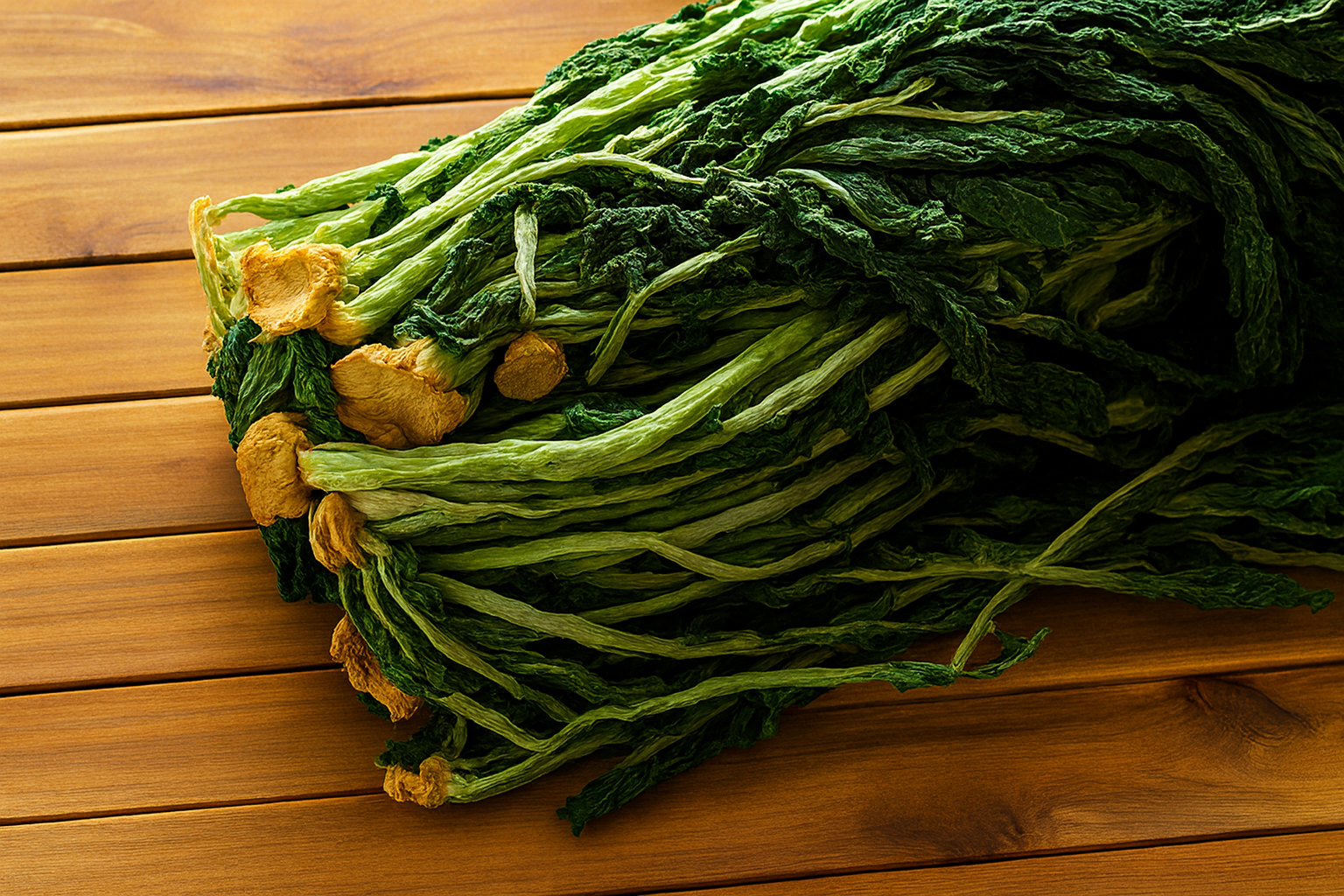
Siraegi is a traditional Korean ingredient made by drying radish greens. Once a famine food that helped people survive harsh winters, it is now valued as a nutritious ingredient rich in vitamins and dietary fiber. Widely used in dishes like soybean paste soup and seasoned vegetable sides, siraegi is loved for its deep, savory flavor and health benefits.



