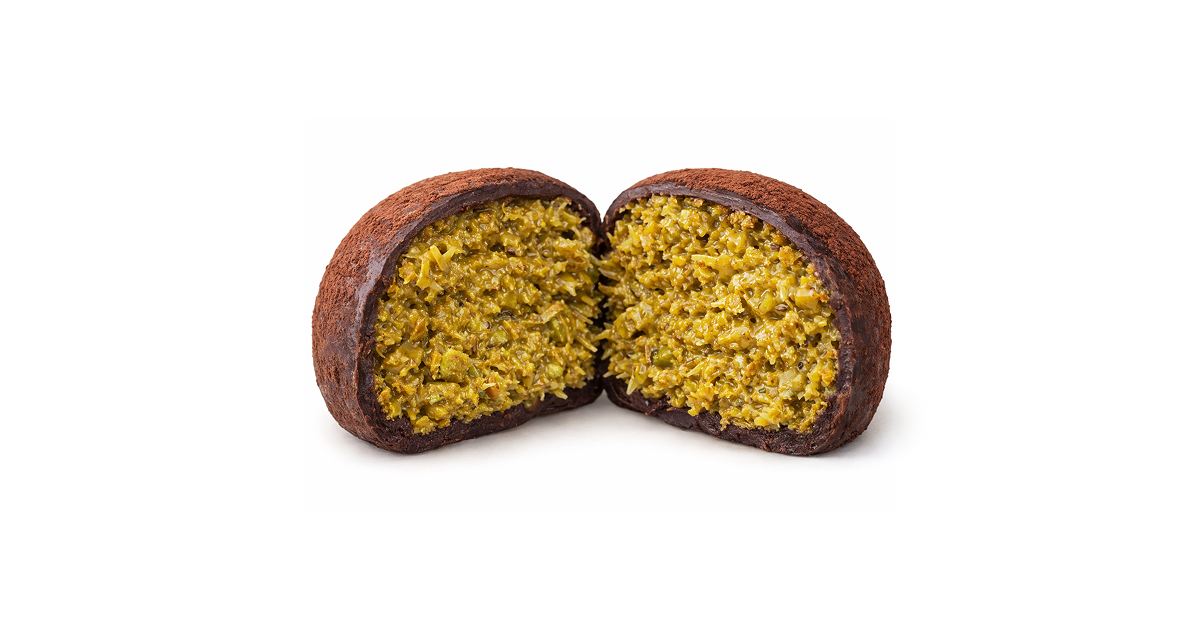
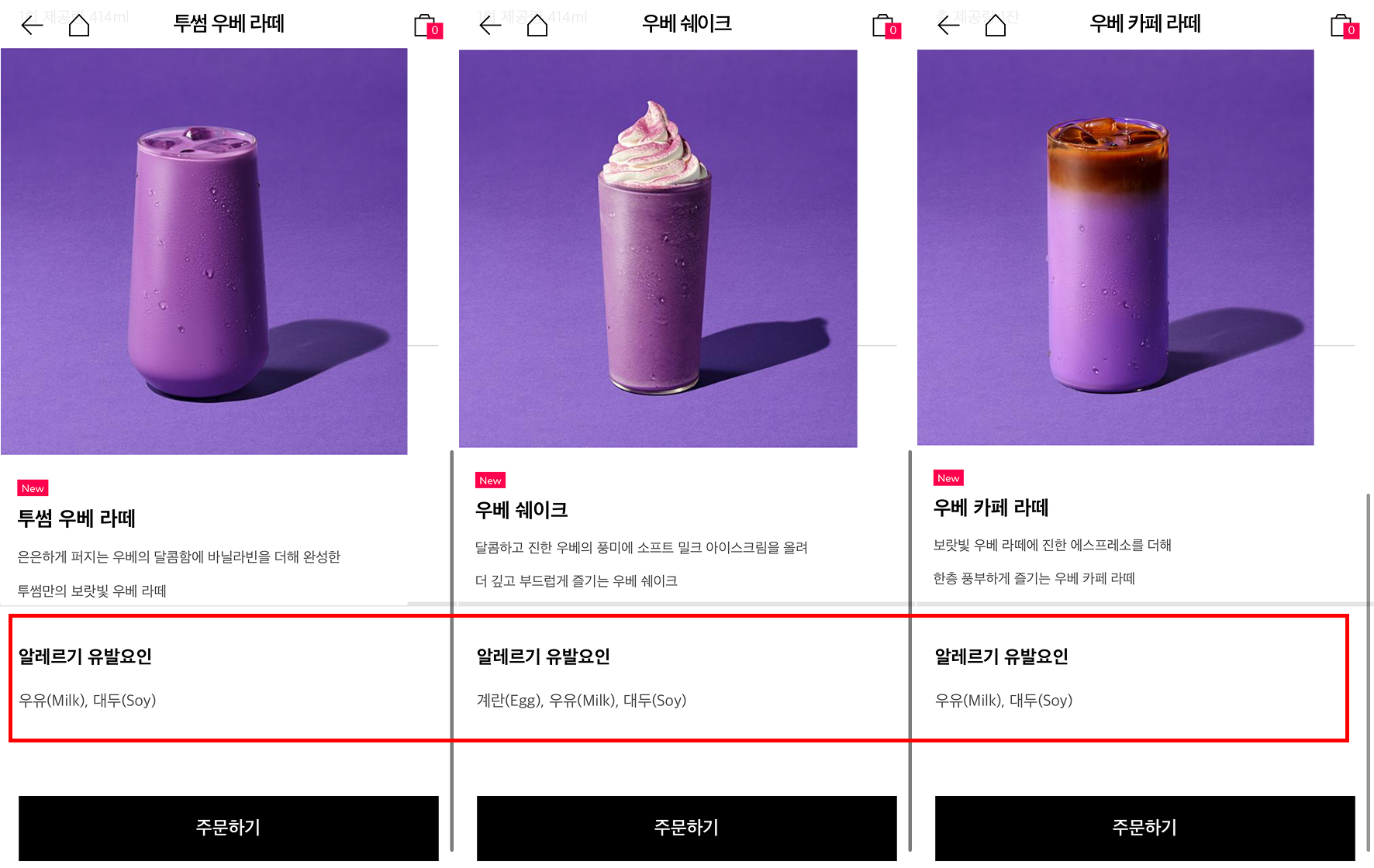
Recently, several café brands, including Starbucks, have introduced ube-based menu items, bringing purple-colored desserts and drinks into the spotlight. With their vibrant color and naturally sweet, nutty flavor, ube is now used in a wide range of items such as milk tea, lattes, gelato, and cakes, attracting strong interest from younger consumers. Its unique and eye-catching appearance has also gained popularity on social media, making it a rising global food trend.
Ube is a purple yam (a true yam, not a sweet potato) commonly used in Filipino cuisine. and it is gradually becoming more familiar in café and dessert markets beyond its origins. However, many people still recognize it only as a “purple dessert ingredient,” without realizing that it belongs to the yam family.
In this EasyMenu Magazine article, we take a closer look at what ube actually is, how it differs from similar ingredients, and what to keep in mind from an allergy perspective.

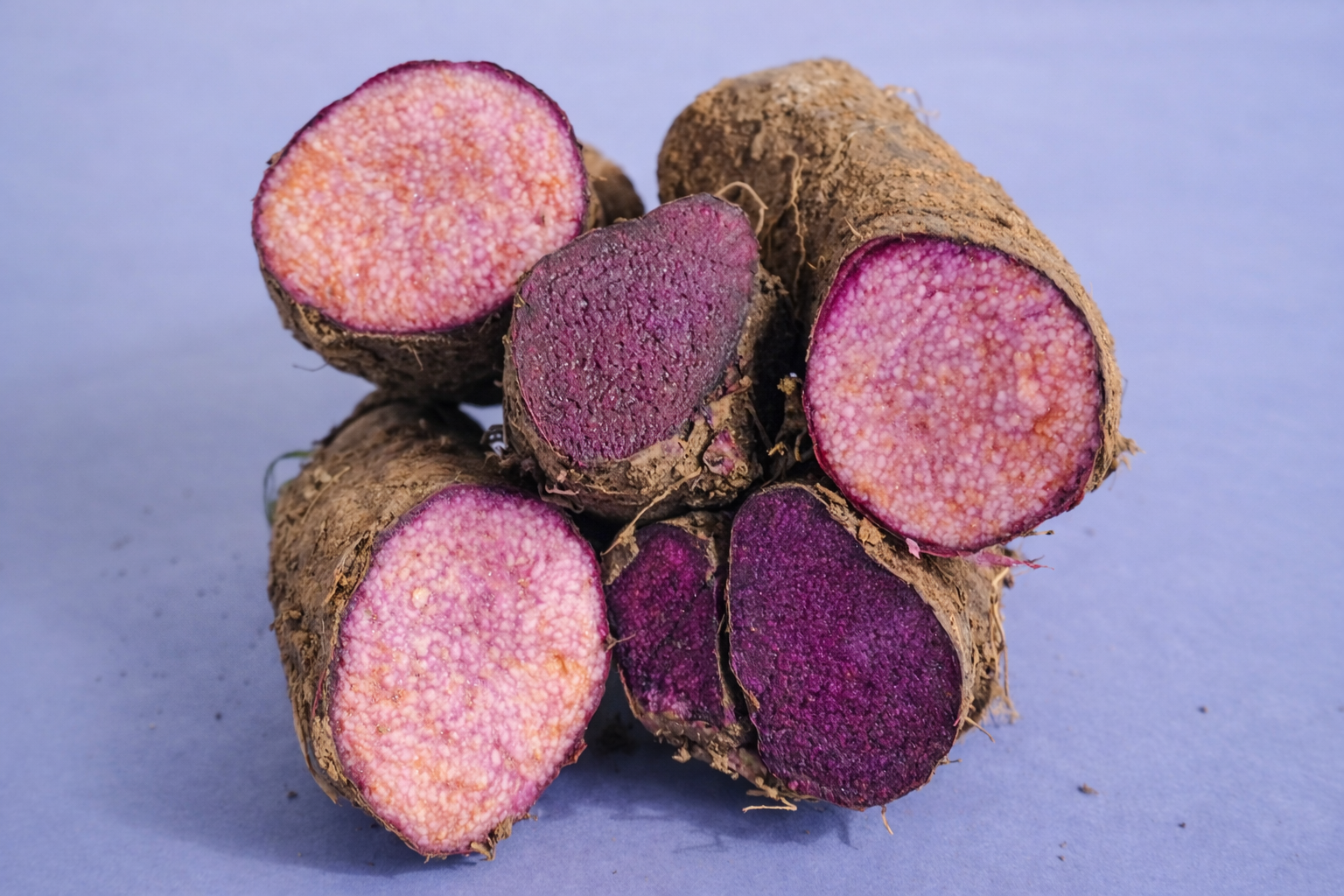
Ube is a purple yam (a type of true yam, not a sweet potato) that has long been enjoyed in Filipino cuisine. Its vibrant purple color comes from anthocyanins, compounds known for their antioxidant properties.
Ube also contains dietary fiber, which can help promote a feeling of fullness. Its smooth texture and naturally mild sweetness make it especially popular in desserts and beverages. However, in many commercial products, sugar and other ingredients are often added, so the overall nutritional content can vary.
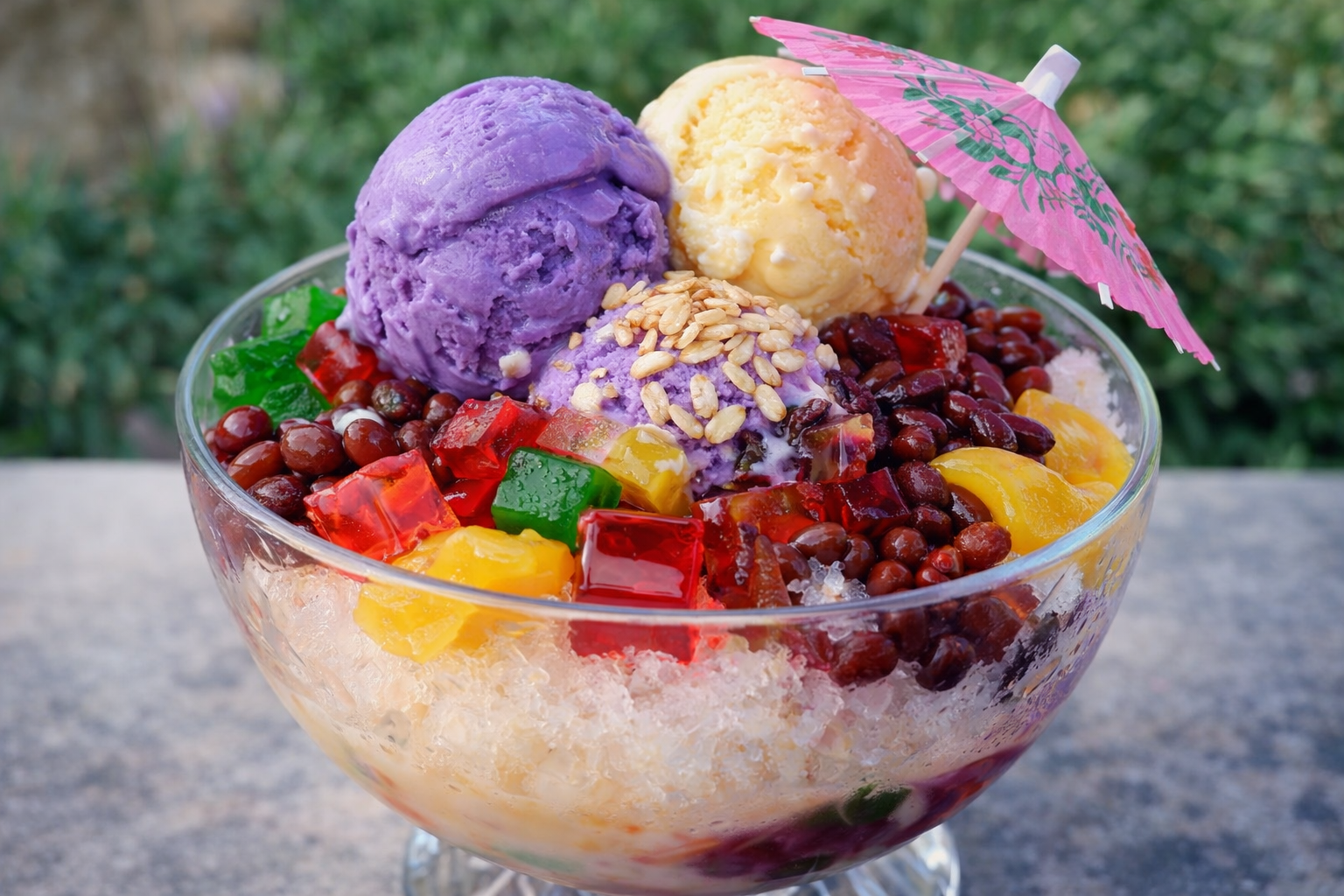
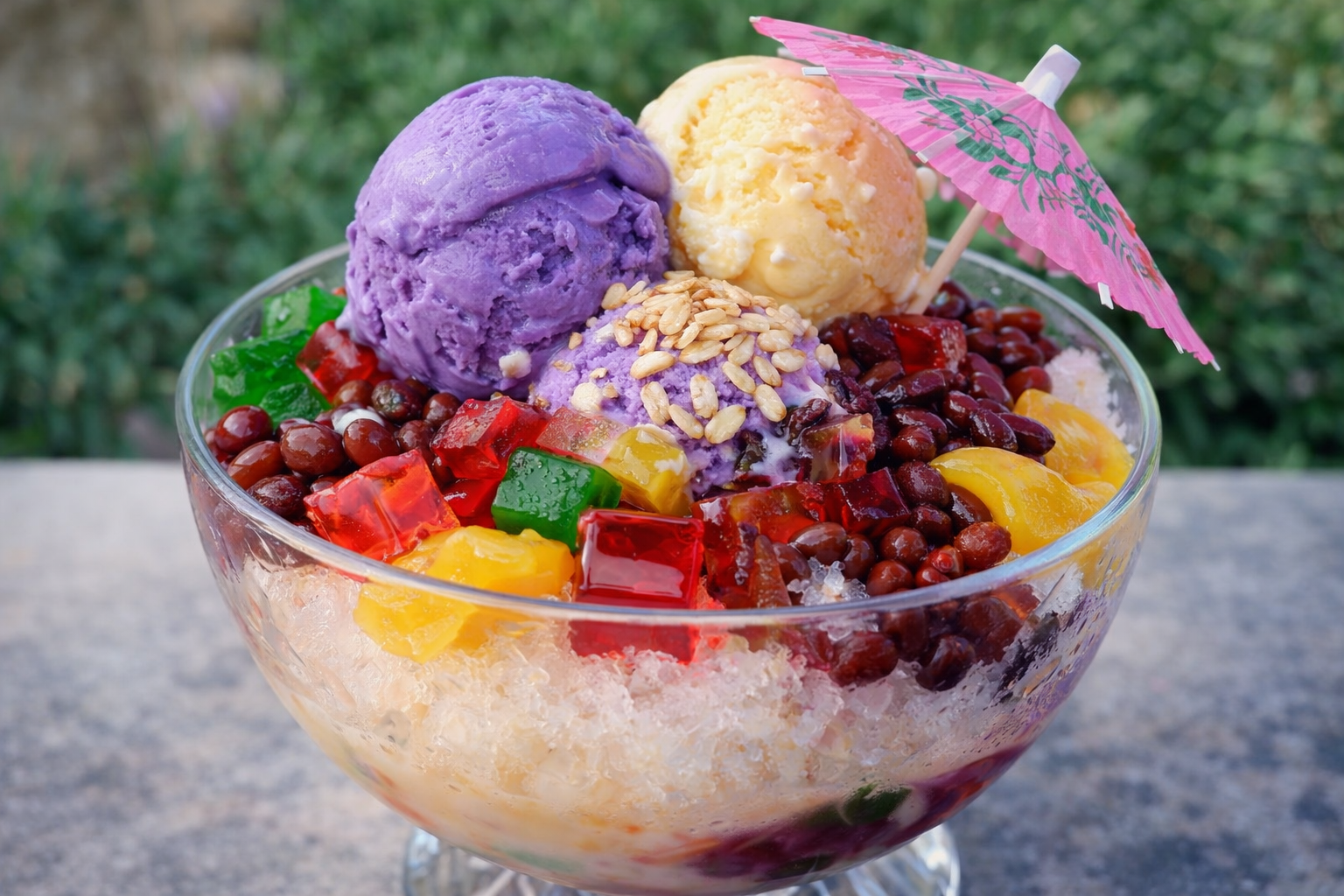
In the Philippines, ube is commonly used in dishes such as ube halaya (a sweet yam jam) and halo-halo, a popular shaved ice dessert. More recently, it has also gained popularity in cafés, appearing in items like lattes, cakes, and ice cream.
As the editor of this article, I was first introduced to ube about 15 years ago.
I first encountered it while visiting the Philippines as a high school student for volunteer work, and I was immediately drawn to its vibrant purple color and sweet taste.
Later, when I went to the Philippines again at the age of 20 for language study, I enjoyed it so much that I would often buy ube drinks during my free time outside the academy. Looking back, I frequently experienced unexplained swelling or digestive discomfort, but I never associated these symptoms with any specific ingredient—especially not ube.
Things changed when I had an anaphylactic reaction after eating yam (true yam) in Korea, which caused my throat to swell. After medical testing, I was diagnosed with a yam allergy. From that point on, I carefully avoided yam, but I continued consuming ube without concern, assuming it was a completely different ingredient.
However, I noticed that every time I had ube drinks or ice cream, I would experience symptoms such as sneezing or a tingling sensation in my throat. At the time, I couldn’t find clear information explaining that ube is actually a type of yam. In fact, some sources even described it as a purple sweet potato, so I didn’t think much of it since I had no sweet potato allergy.
In 2023, while visiting a Filipino restaurant in the UK, I even asked whether it was safe to eat since I had a yam allergy. The staff told me it was fine. Looking back, it seems that even they were not fully aware that ube is a type of true yam.

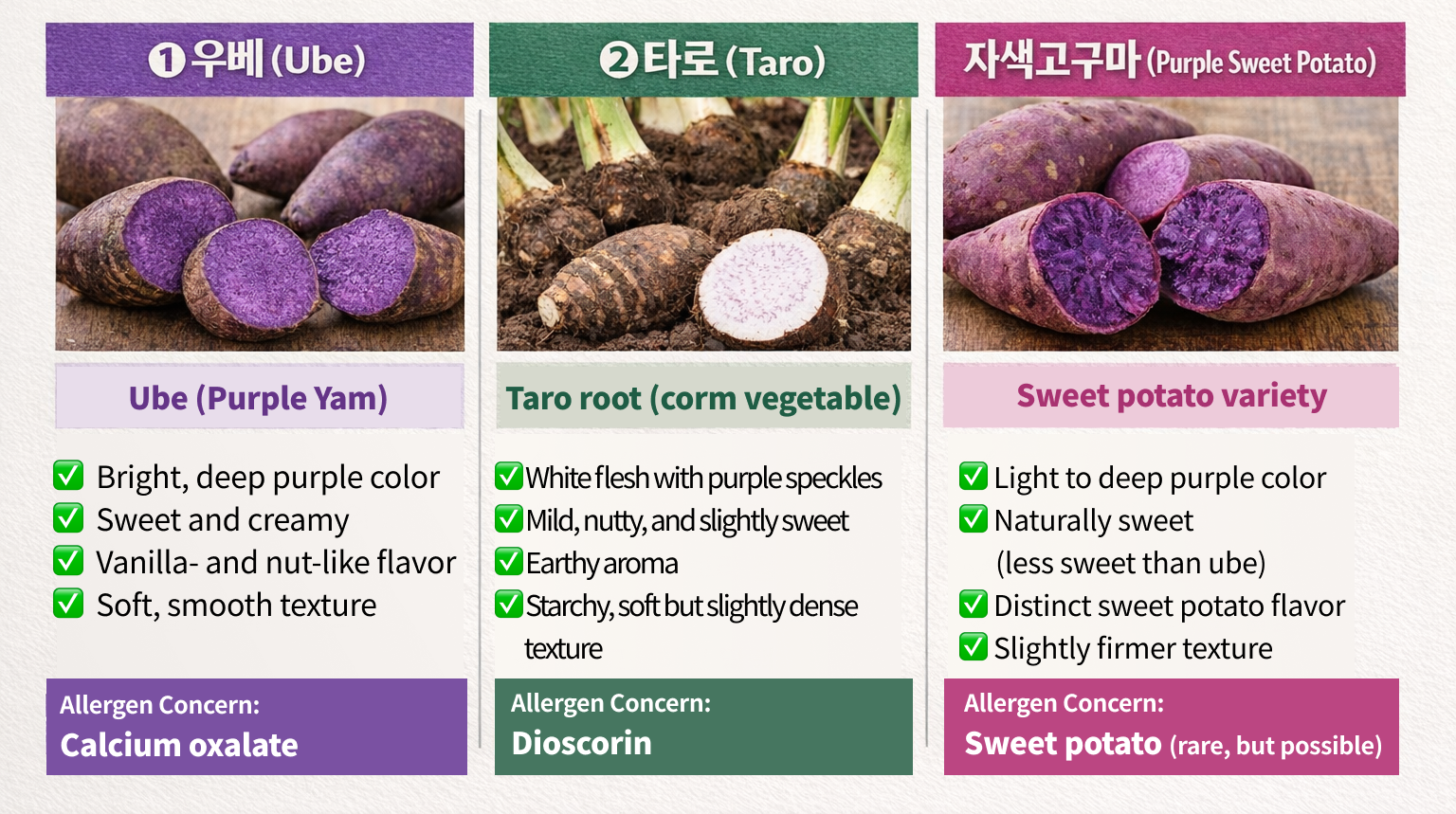
There are several ingredients with a vibrant purple color besides ube, which often leads to confusion among consumers. In particular, taro and purple sweet potato are commonly used in purple-colored desserts alongside ube, raising questions about what each ingredient actually is.
Although these three ingredients share a similar appearance as root or tuber vegetables with purple tones, they differ clearly in their botanical classification, origin, flavor, texture, and culinary uses.While taro, ube, and purple sweet potato may look similar, they are actually different root vegetables—taro is mild and starchy, ube is a sweet purple yam (not a sweet potato), and purple sweet potato is naturally sweet with a firmer texture.
First, as mentioned earlier, ube is a purple yam widely consumed in the Philippines, scientifically known as Dioscorea alata. It has a smooth, creamy texture with a mildly sweet and nutty flavor, making it especially popular in desserts and beverages.
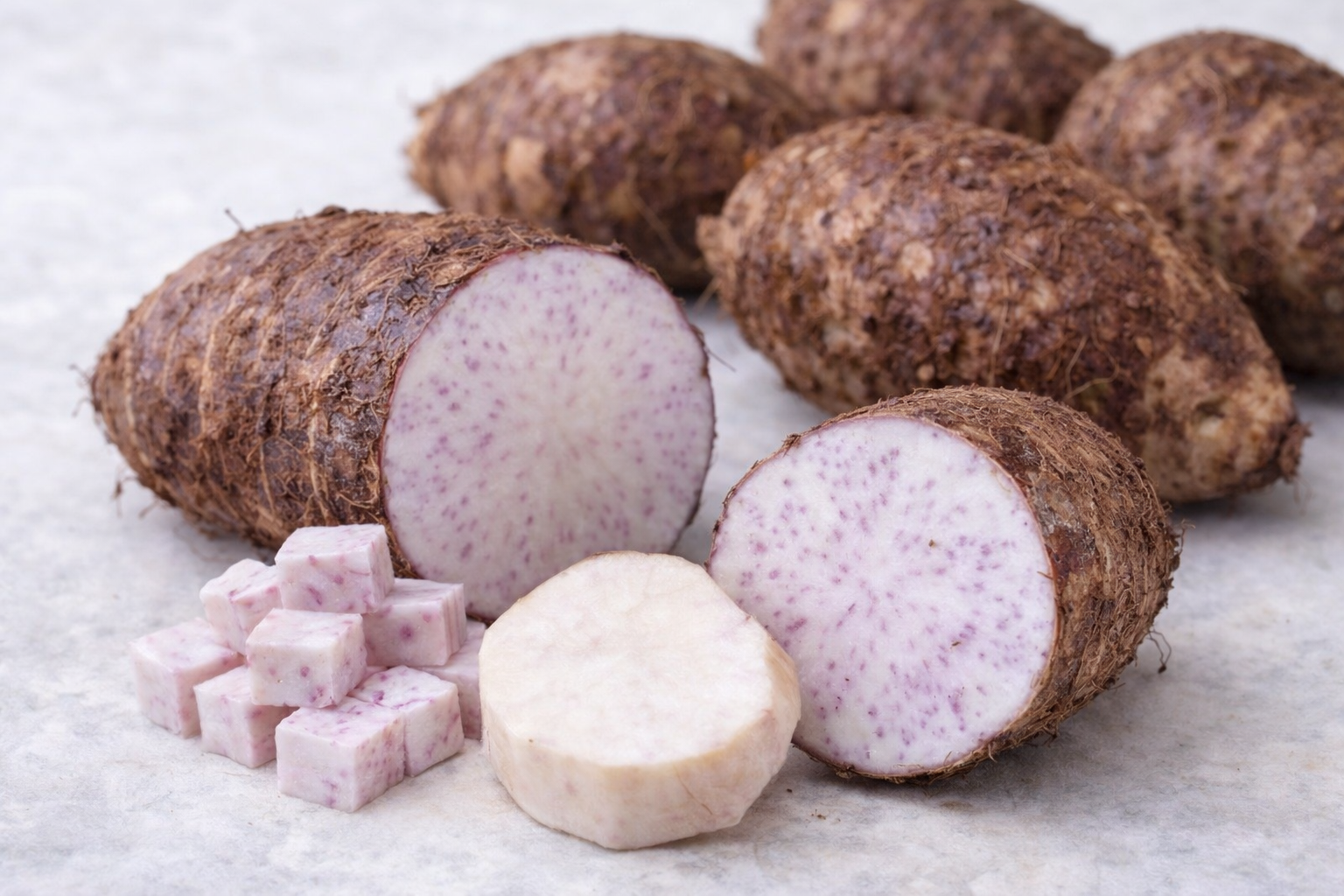
In contrast, taro (Colocasia esculenta), known as taro root, belongs to the Araceae family. It has a starchy, slightly sticky texture with a mild and earthy flavor. Interestingly, the purple color seen in many taro drinks is often not natural, but created using processed powders or added coloring. Taro is used not only in milk tea, but also in fried dishes, steamed preparations, and soups.
Finally, purple sweet potato is a variety of sweet potato (Ipomoea batatas), belonging to the Convolvulaceae family. It is naturally sweet, relatively firm in texture, and widely used in breads, rice cakes, porridges, and desserts thanks to its rich flavor and natural purple hue.
Although these ingredients may look similar, they are botanically different and have distinct characteristics and compositions. Understanding these differences can help you enjoy them more confidently—especially if you have dietary concerns or allergies.
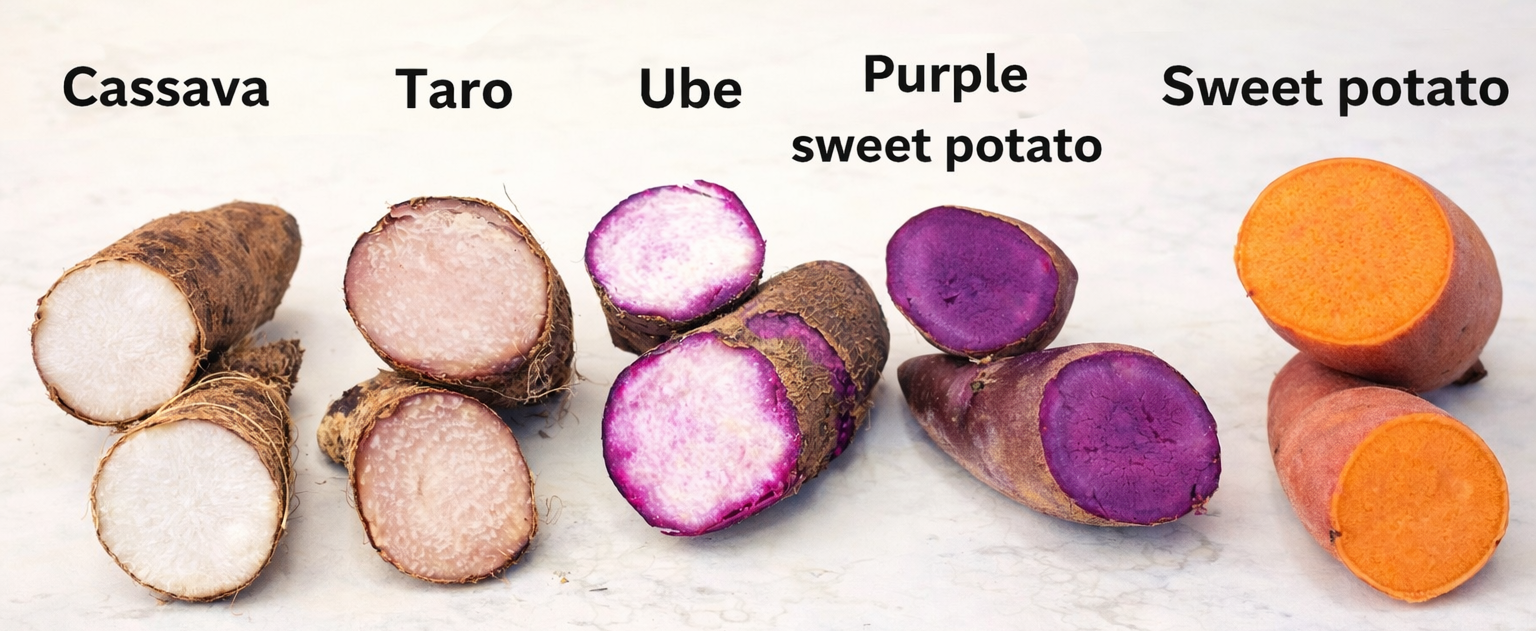
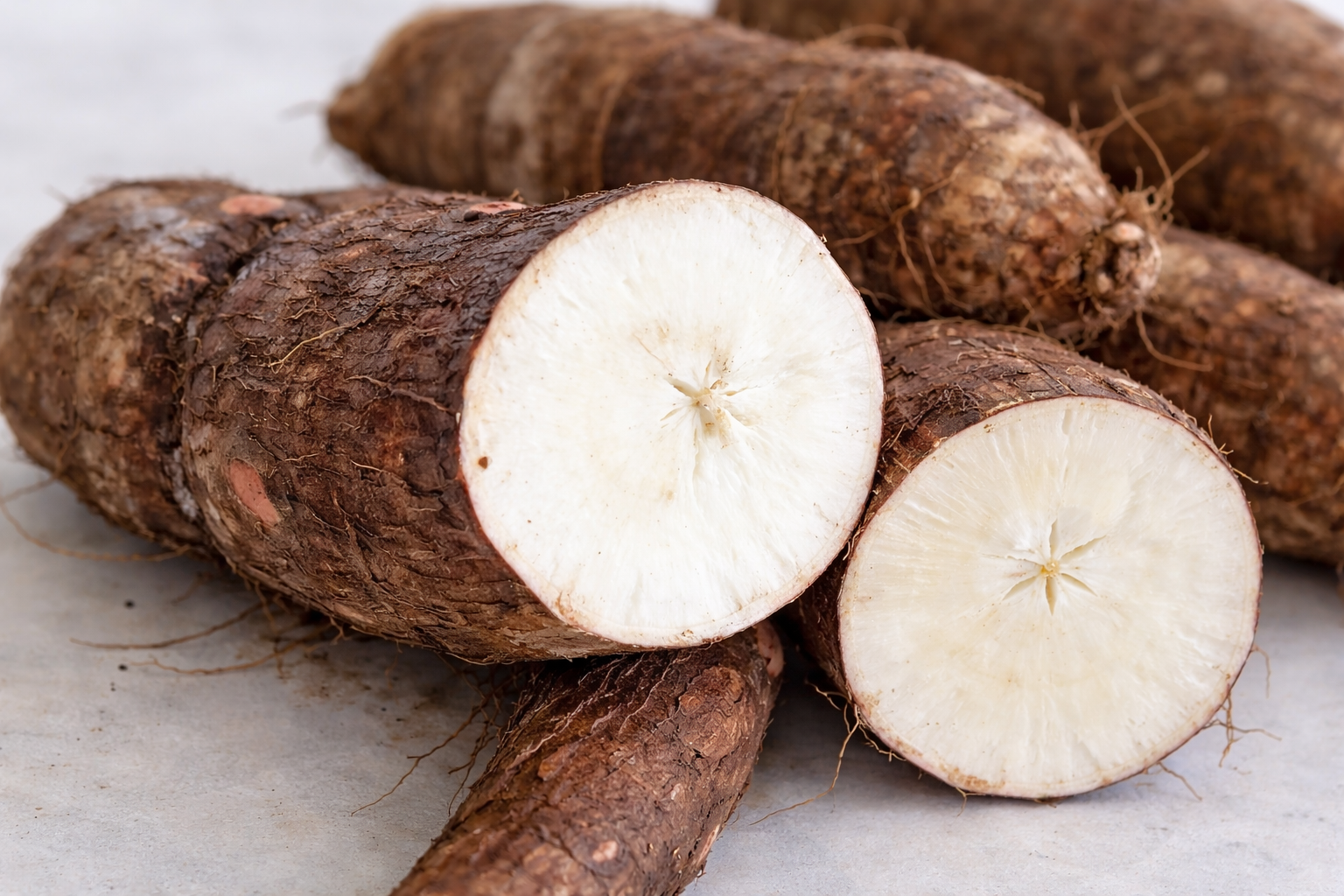
Beyond purple ingredients, root vegetables with similar shapes can also be easily confused. In particular, yam and cassava are often mentioned alongside ube and taro, but they differ significantly in their botanical characteristics and safety considerations.
As mentioned earlier, ube belongs to the yam family (true yam). This means that if you have a yam allergy, you may also experience reactions to related plants like ube due to similar protein structures. In other words, differences in name or appearance do not necessarily mean an ingredient is safe.
On the other hand, cassava is an entirely different plant, scientifically known as Manihot esculenta and native to South America. It is widely used as the source of tapioca starch. Although it may resemble potatoes or sweet potatoes in appearance, raw cassava contains naturally occurring cyanogenic compounds and must be properly processed and cooked before consumption.
Even when root ingredients look similar, they can have very different properties and risks. Rather than relying on appearance or name alone, it is important to understand what the ingredient actually is.
Root vegetables like ube, especially those in the yam family—may trigger allergic reactions in some individuals. If you are allergic to a specific ingredient, there is a possibility of cross-reactivity with other ingredients from the same botanical family.
For example, someone with a yam allergy may experience similar symptoms after consuming ube. This is because related plants can share similar protein structures that trigger immune responses. Therefore, when trying new ingredients, it is important to carefully check ingredient information and stay aware of potential allergens.
When dining out, it is also important to ask staff about ingredients and take an active role in understanding what you are eating. If any allergic reaction occurs, stop consuming the food immediately and seek professional medical help.
For safe and healthy eating, the most important thing is simple: know what you’re eating.
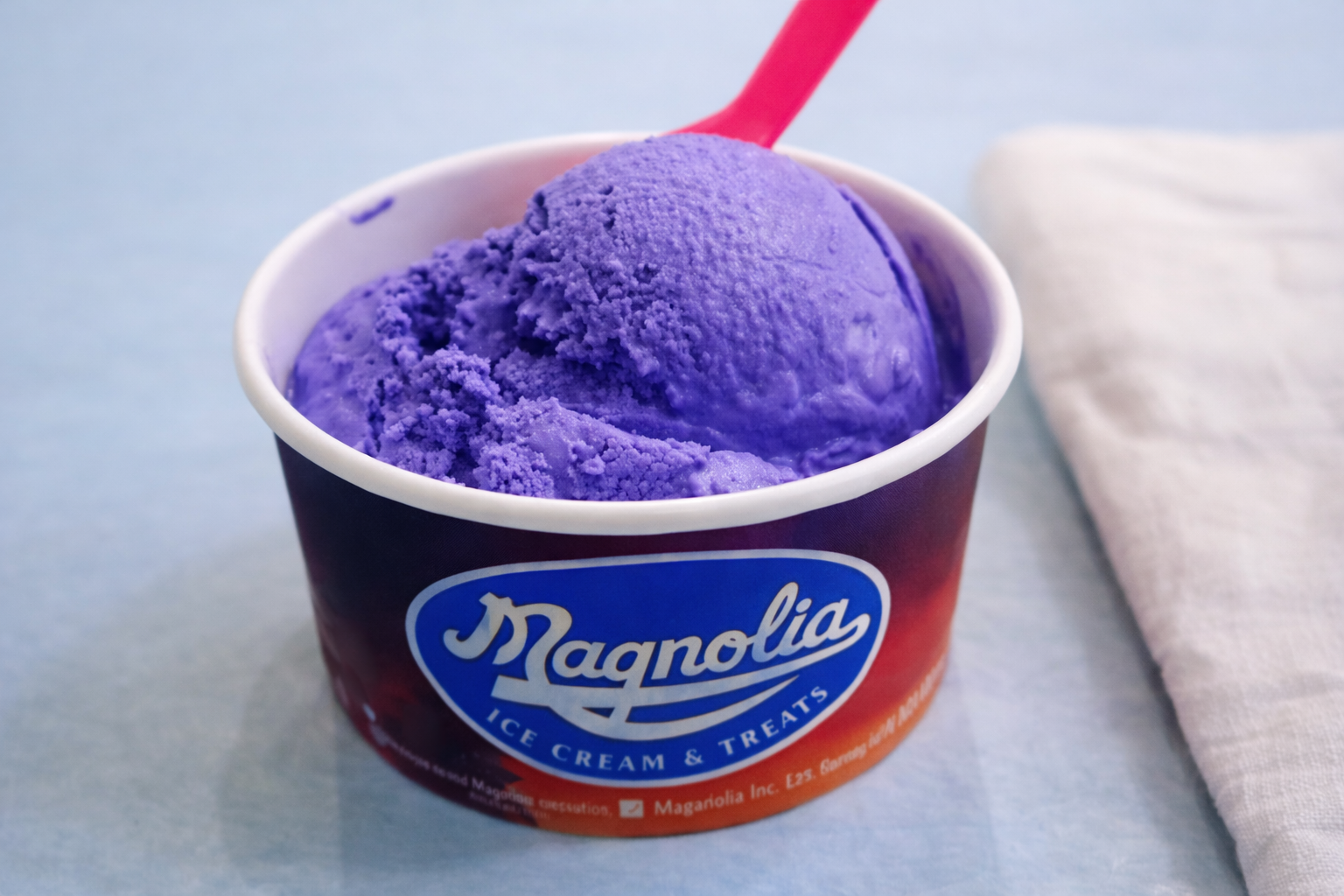
Ube began as a staple in Filipino cuisine and has now become an ingredient found on café menus around the world. Its vibrant purple color and natural sweetness have clearly captured the attention of many.
However, rather than simply following the trend, it is important to understand what the ingredient actually is and consider your own health conditions. As my experience shows, a lack of information about unfamiliar ingredients can lead to unexpected discomfort or even risk.
To fully enjoy ube, it is important to recognize that it is not just a “purple ingredient,” but a type of true yam, and to check ingredient details carefully—especially if you have any allergies.
Ube will likely continue to appear in many forms on our tables.
Enjoy its unique appeal—but do so deliciously, and safely.