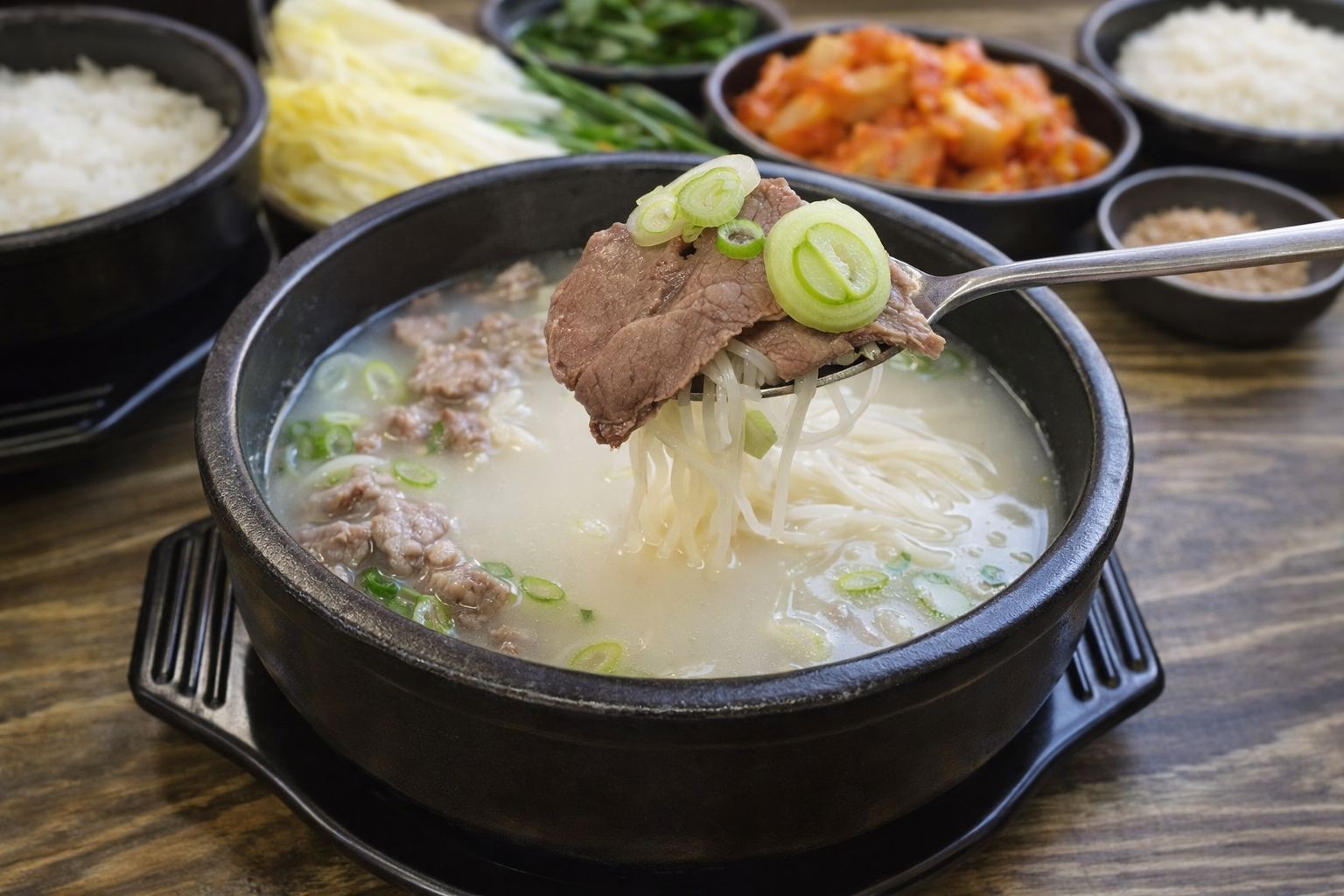
Miyeok-guk, a staple of Korean birthdays and postpartum care, is more than just a soup—it carries deep cultural meaning and nutritional value. Passed down through generations, it symbolizes a mother’s love and wishes for health. Rich in iodine, calcium, and iron, this seaweed soup is enjoyed with ingredients like beef, mussels, tuna, or bone broth, offering comforting warmth during cold seasons.
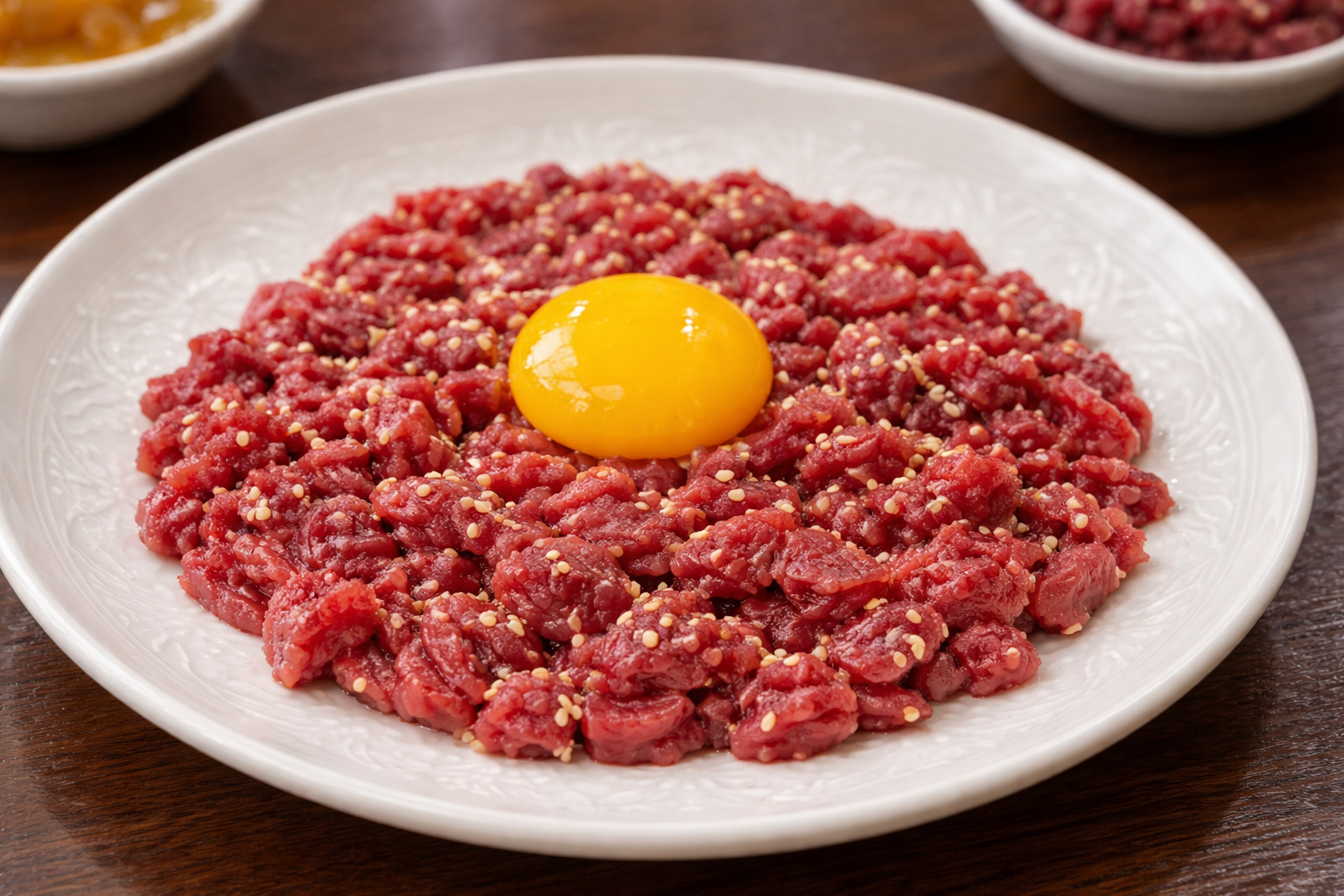
If you’re planning a Christmas home party that goes beyond the ordinary, consider yukhoe, a Korean-style beef tartare loved by many in Korea. With its refined presentation and delicate flavors—much like the famous yukhoe cake created by Kim Poong on a Korean cooking show—it instantly elevates any celebration. Enjoy the pure taste of fresh beef, then turn leftovers into yukhoe bibimbap or inari sushi to keep the party going. A unique and elegant choice for creating unforgettable holiday memories.

As December brings a flurry of year-end gatherings and home parties, dakbal is the perfect choice for those seeking a bold and fiery menu. More than just a spicy dish, dakbal is a beloved Korean soul food with a long history and a staple companion to drinks. From bone-in and boneless to soupy, stir-fried, and fried styles, this guide explores the many ways to enjoy dakbal—along with easy recipes for beginners and ideal drink pairings to make your gathering truly unforgettable.
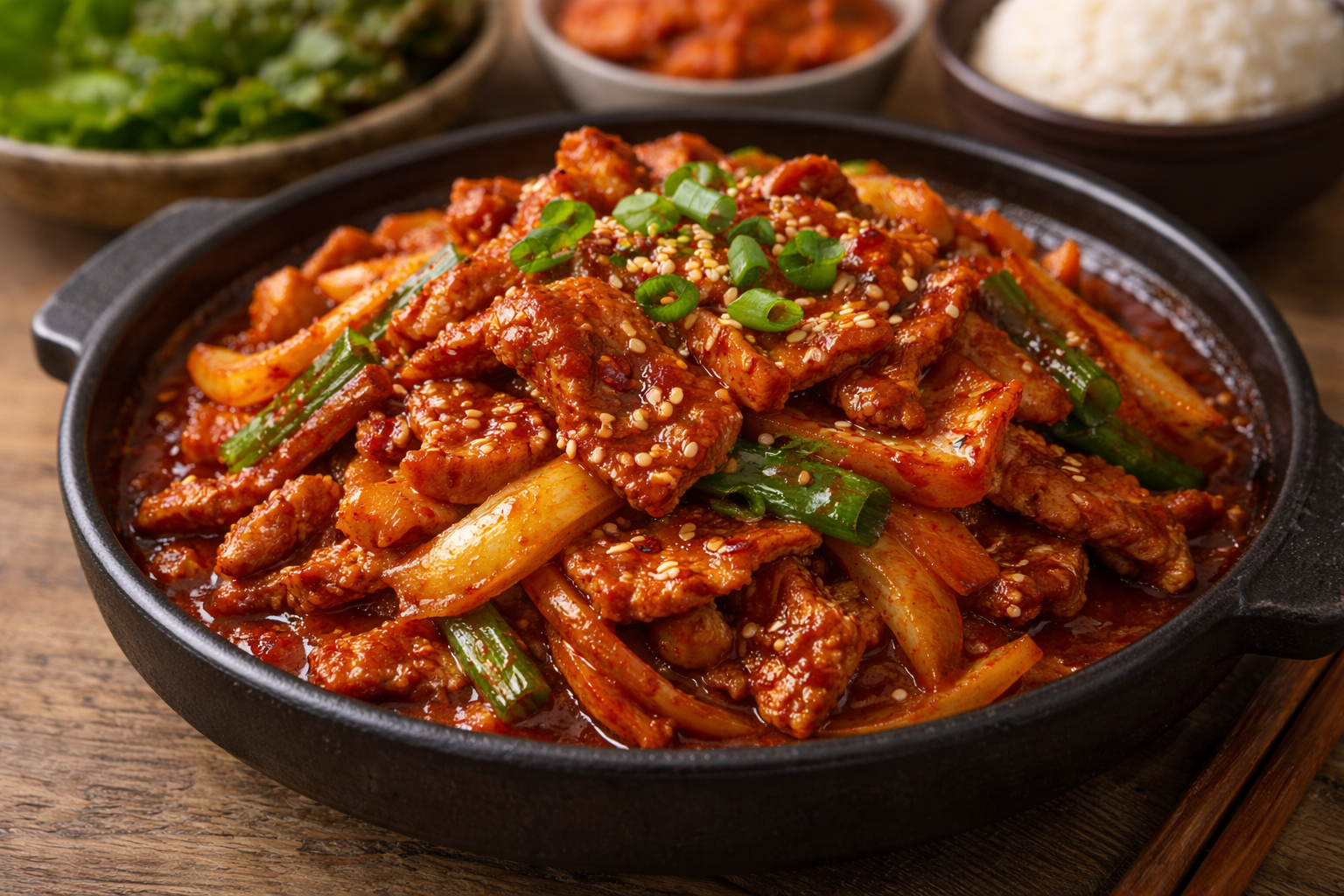
Jeyuk-bokkeum is a signature Korean pork dish, stir-fried in a gochujang-based sauce that blends spicy and savory sweetness. Perfectly paired with rice, it is loved as a comforting, energizing meal. This article explores its origins, cooking techniques, and popular variations such as jeyuk rice bowls and jeyuk bibimbap, highlighting how this dish embodies the flavors, emotions, and everyday life of Korea beyond a simple meal.
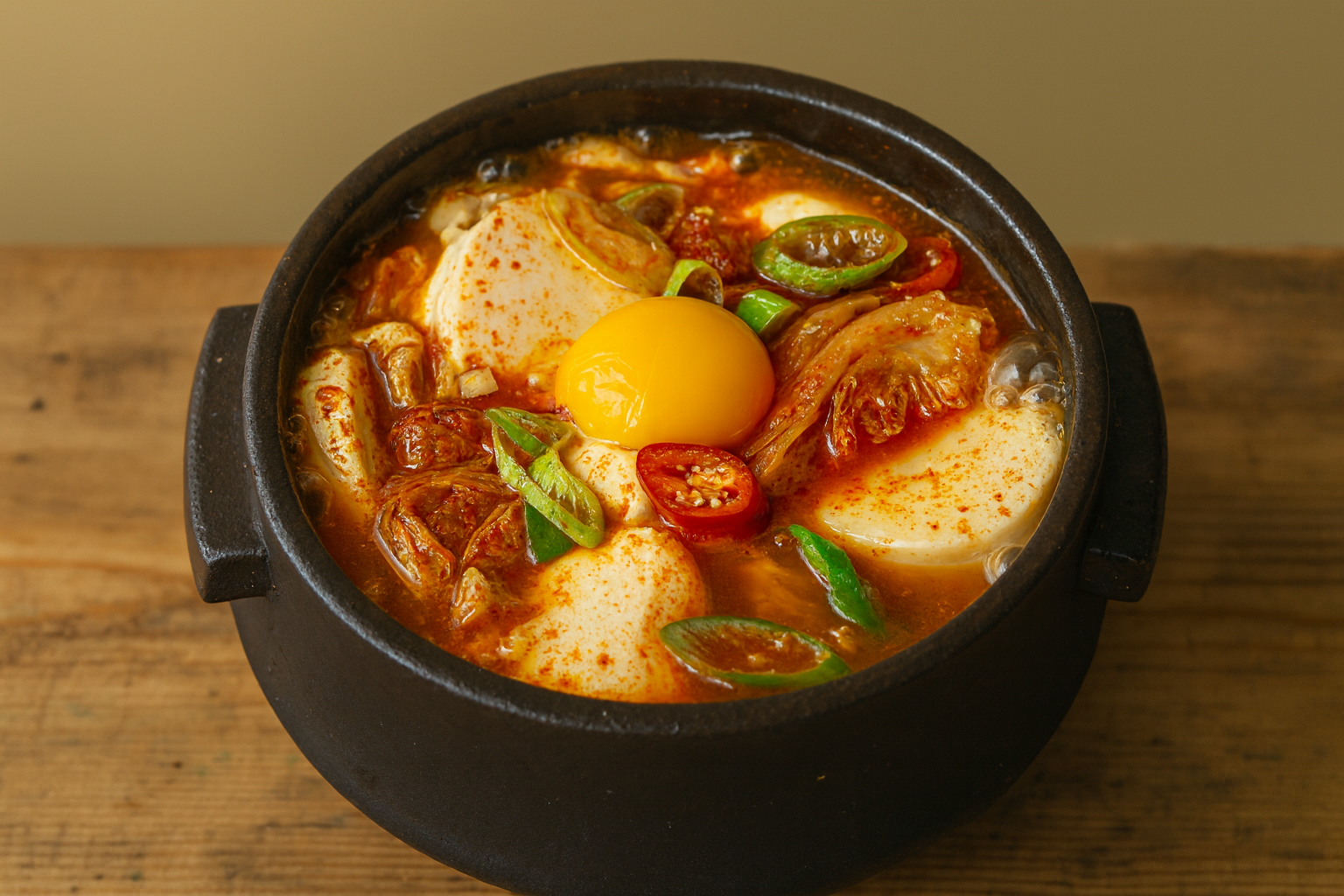
Sundubu jjigae, one of Korea’s most beloved soups and stews, pairs silky soft tofu with a bold, spicy broth—making it a comfort food enjoyed across generations. In this feature, we take a closer look at sundubu jjigae’s signature flavor profile, its versatile range of ingredients, and how it differs from another iconic spicy stew, kimchi jjigae. Join us as we explore the warm, soothing world of sundubu jjigae—where gentle texture meets fiery depth.
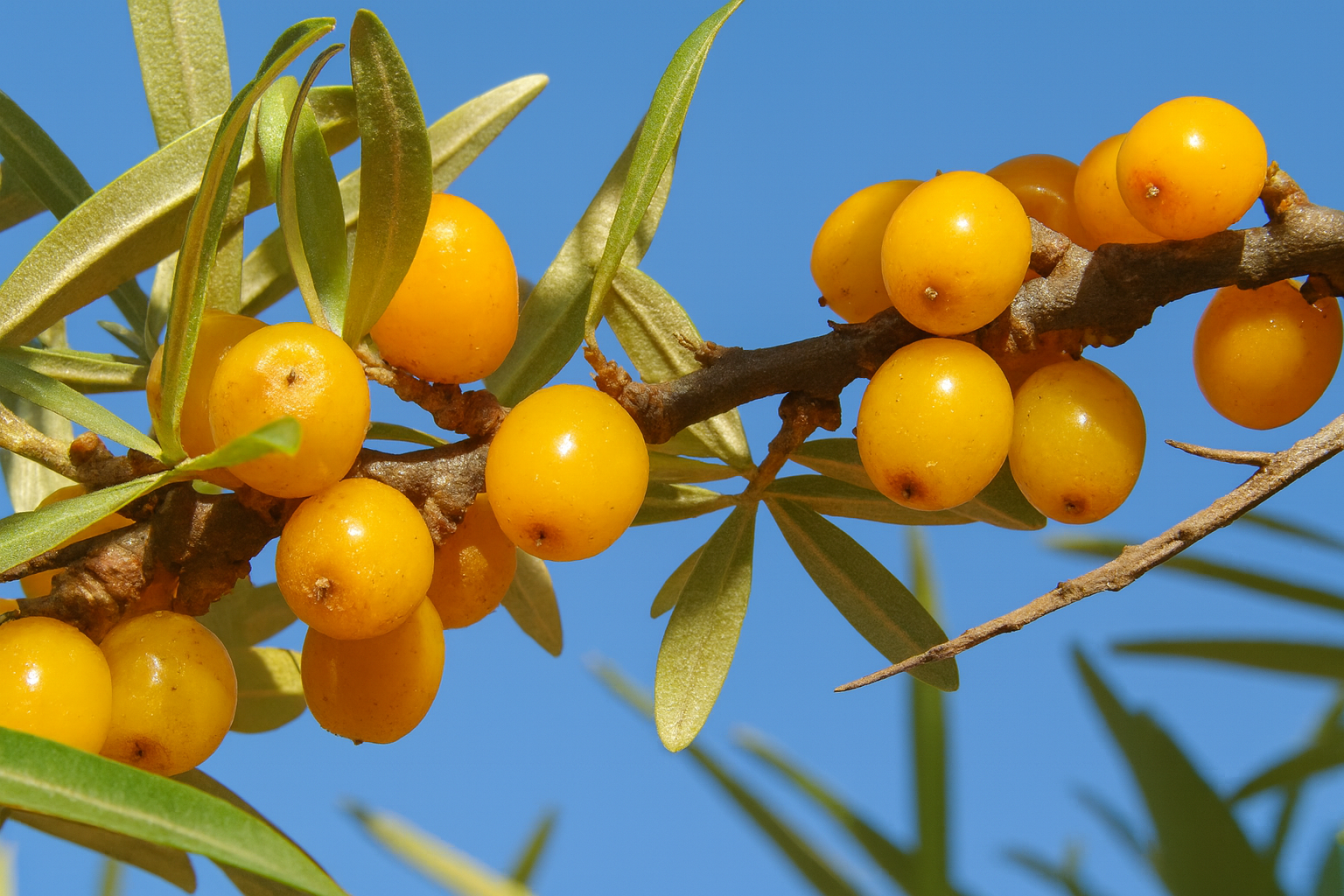
Chachargan Juice, made from sea buckthorn berries that thrive in Mongolia’s harsh environment, is a precious drink that supports the health and vitality of the Mongolian people. This golden juice—valued since ancient Greece and the era of the Mongol Empire—is rich in vitamins, minerals, and amino acids, and is renowned for its benefits to digestive health, cardiovascular wellness, and immune support. Discover the remarkable world of chachargan, deeply rooted in Mongolian life and tradition.

Tsuivan is Mongolia’s iconic stir-fried noodle dish that reflects nomadic culture and community life. Made with wheat noodles, meat, and vegetables, it has long been a staple during daily meals, travel, and outdoor activities. The rich flavor and fat from lamb provided essential energy in Mongolia’s harsh environment. Today, Tsuivan has evolved with diverse ingredients and cooking styles, gaining popularity and appealing to tastes around the world.

Mongolian cuisine may feel unfamiliar, but Tefteel and Beef Steak are approachable entry dishes that suit Korean palates well. Similar to hamburg steak, they offer the rich flavor of Mongolian meat in an easy, gentle way. This guide briefly compares the two and provides tips for choosing between them when dining in Mongolia.

From the vast grasslands of Mongolia come two comforting soup dishes: Boorog Mahtei Shul and Hoi Chai. This guide explores the simple yet deeply flavorful meatball soup Boorog Mahtei Shul and the heartier, ingredient-rich Hoi Chai, highlighting their distinct textures and flavors. Through these dishes, readers gain insight into Mongolian food culture and are introduced to places in Korea where Hoi Chai can be enjoyed.