As the year draws to a close, December arrives filled with sparkling lights on the streets and a gentle warmth in people’s hearts. Many of us begin planning year-end gatherings and home parties with friends and loved ones. Dining out at a stylish restaurant is always an option, but there’s something especially comforting about sharing good food and intimate moments at home. If you’re feeling a bit tired of the same familiar menus year after year, why not try something different this time?
Enter spicy food—bold, invigorating, and perfect for bringing people together. And among all spicy dishes, today we turn our attention to dakbal, a Korean soul food that sparks strong opinions but captivates anyone who dares to take a bite. Often misunderstood as “too intimidating,” dakbal hides a delightful chewiness, deep umami flavor, and an undeniable sense of fun. Long loved on Korean tables and famously rich in collagen, it might just be the perfect choice for a festive year-end menu. From its origins and various styles to handy tips for first-timers, let’s explore everything there is to know about dakbal. By the time you finish reading, your next home party menu may already be decided.
When you hear the word dakbal, some people smile instinctively as their mouth begins to water, while others frown and shake their heads. That contrast alone shows how visually charged and often misunderstood this dish can be. Yet beneath the initial prejudice lies a depth of flavor and a uniquely satisfying texture.
Dakbal literally means chicken feet. In Korea, it is most commonly enjoyed stir-fried in a fiery sauce or simmered in a rich, spicy broth, making it one of the country’s most iconic drinking foods and comfort delicacies. While there is no exact record of when Koreans first began eating chicken feet, it is widely believed to stem from the practical wisdom of past generations—using every part of the chicken without waste.
Its rise in popularity accelerated in the 1970s, alongside Korea’s rapid economic growth and the boom of street food stalls. Affordable, filling, and perfectly paired with alcohol, spicy stir-fried dakbal became a staple that soothed the everyday struggles of working-class life. Traditionally served bone-in, dakbal later evolved with the introduction of boneless versions in the late 1990s, making it more approachable and helping it gain wider appeal.
Rich in collagen and often associated with skin and joint health, dakbal continued to grow in popularity. Today, it has moved far beyond street stalls—appearing on the menus of specialty restaurants and earning its place as a beloved K-food icon enjoyed by all generations. Its chewy yet crisp texture and addictive spicy seasoning leave a lasting impression that’s hard to forget.
At first, dakbal may seem intimidating. But one brave bite is often enough to reveal how unfounded that hesitation truly was. More than just food, dakbal is a shared cultural experience—one that brings people together, sparks laughter, and helps melt away the stresses of everyday life.
Dakbal offers entirely different charms depending on how it is prepared and served. Like a chameleon, it transforms into a variety of styles, each with its own appeal. Let’s take a closer look at the many faces of dakbal.
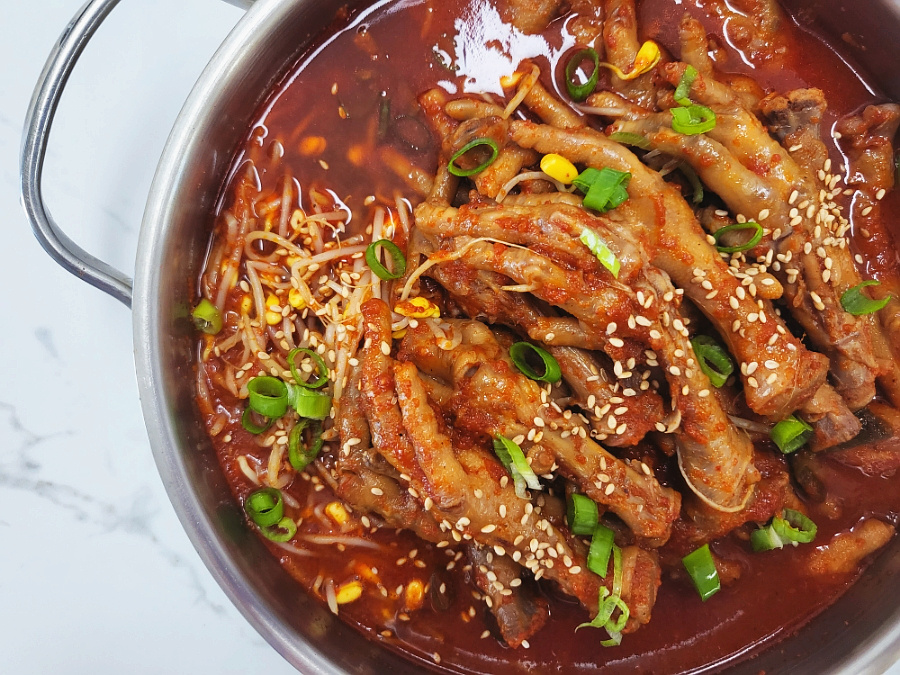
First is soupy dakbal, gently simmered in a deep, spicy broth. Especially popular during colder months, this version warms both body and soul. Bone-in chicken feet are typically used, slow-cooked until tender, allowing the meat to separate easily from the bones. After enjoying the chewy pieces, the remaining broth is often finished with ramen noodles or mixed with rice—making it both a satisfying meal and a perfect drinking companion.
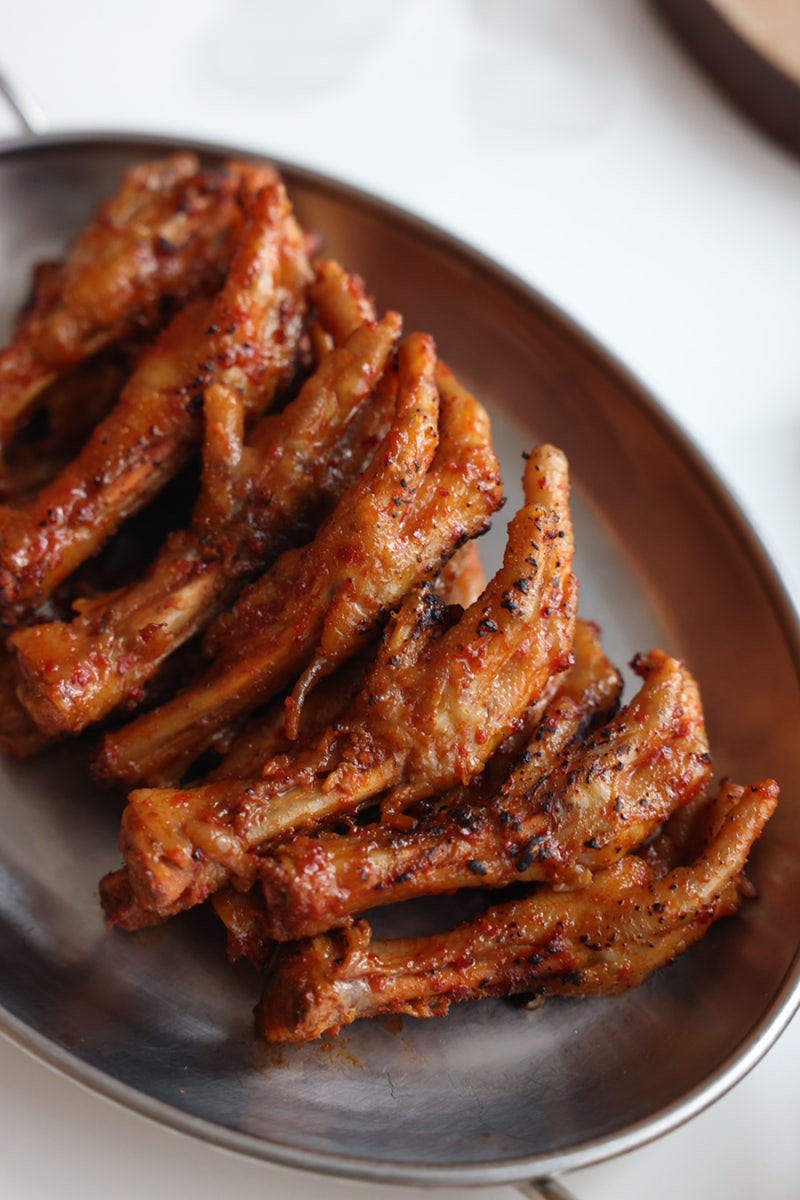
Next comes stir-fried dakbal, cooked without broth and coated in a bold, spicy sauce. This style is ideal for those who prefer intense, concentrated flavors. Often grilled over charcoal for a smoky aroma or stir-fried on a hot plate, the seasoning deeply penetrates the chicken feet. Bone-in versions offer the pleasure of gnawing and rich flavor from the bones, while boneless stir-fried dakbal is clean and convenient, making it a favorite at group gatherings.
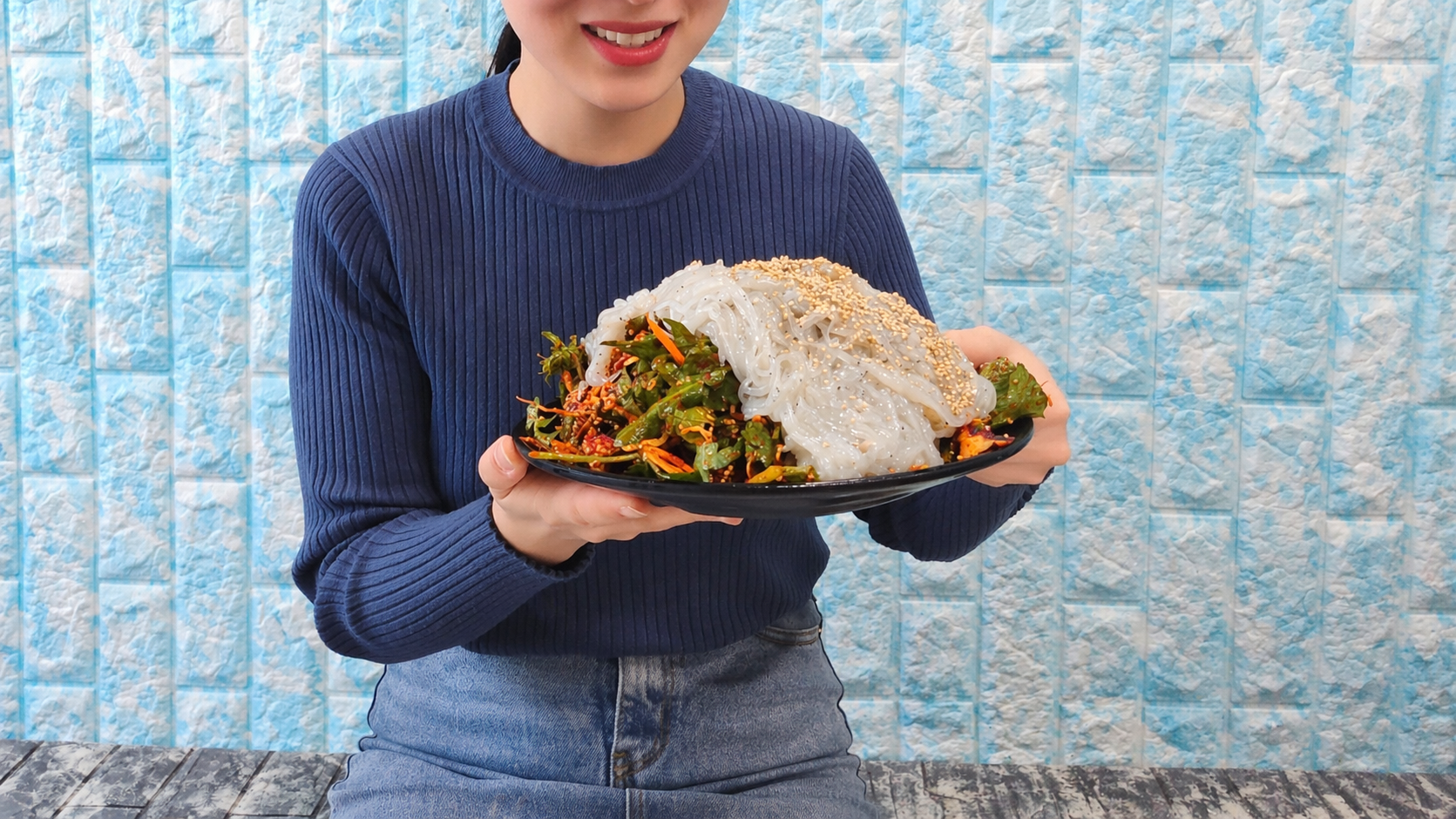
Among these, boneless dakbal is highly recommended for beginners. With the bones removed, it allows first-timers to focus purely on the signature chewy texture and spicy seasoning, easing any hesitation about its appearance. Boneless dakbal is also versatile—enjoyed on its own, stir-fried with other ingredients, or shaped into bite-sized rice balls.
On the other hand, bone-in dakbal remains the classic choice for true enthusiasts. Picking the meat directly from the bones is part of the ritual, delivering deep umami and a uniquely satisfying experience that fans swear by.
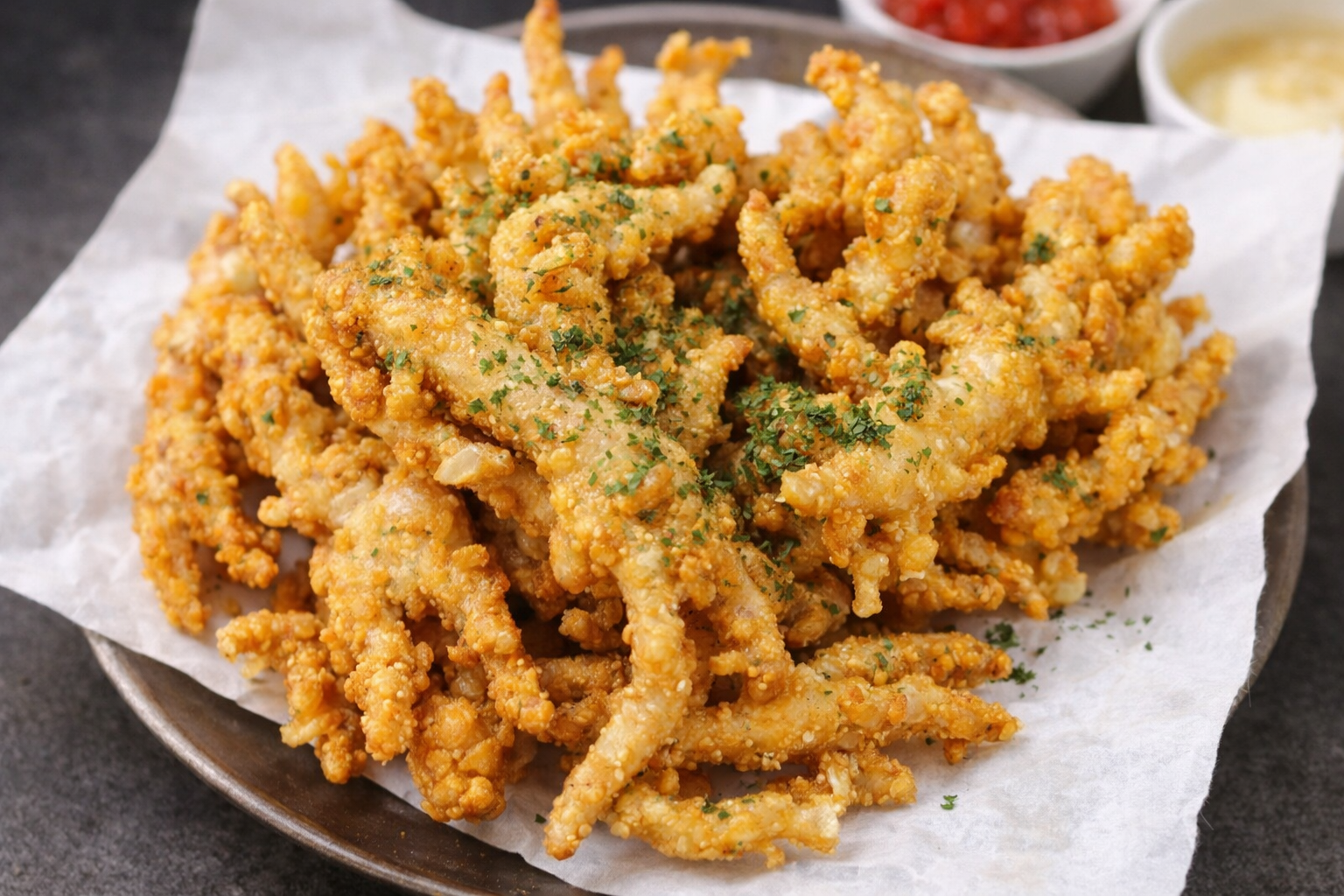
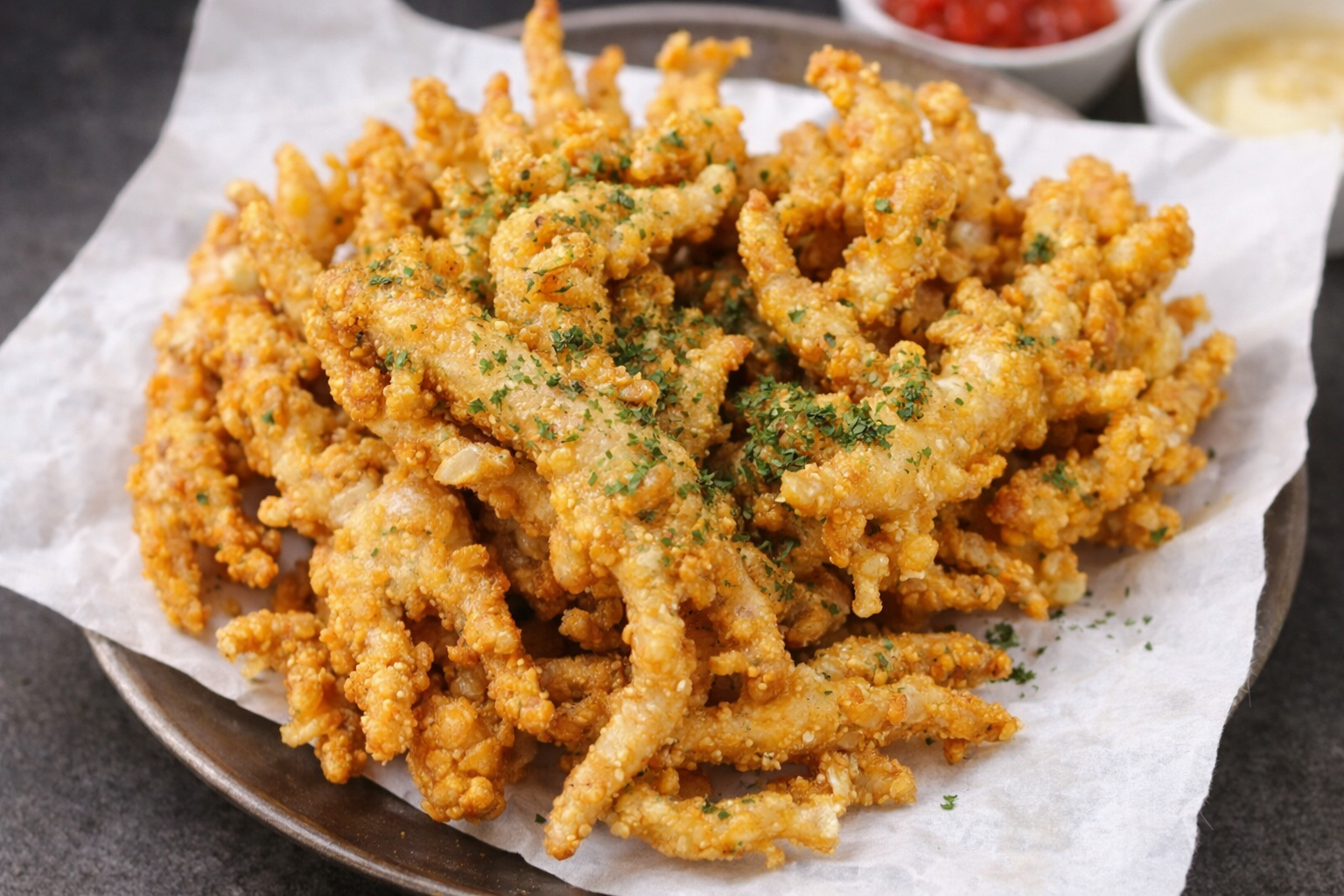
Finally, a modern twist has emerged in the form of deep-fried boneless dakbal. Crispy on the outside and chewy inside, this version offers a playful contrast in texture. Dipped into spicy sauce, it feels familiar—almost like fried chicken—making it an excellent gateway for those still hesitant about dakbal’s looks.
In all its forms, dakbal is a remarkably versatile dish—one that can be tailored to personal taste and the mood of any gathering, transforming each occasion into something memorable.
To fully enjoy the bold flavors of spicy dakbal, the right drink pairing is essential. Beyond simply cooling the heat, the perfect beverage can elevate dakbal’s taste to an entirely new level. Here are some ideal pairings that bring out the best in this fiery dish.
The first—and most iconic—choice is soju. In Korean drinking culture, dakbal and soju are an inseparable duo. Soju’s clean, crisp finish balances the intense spice while refreshing the palate. As glasses are poured and conversations flow, the heat of dakbal transforms into a deeper, more satisfying flavor.
Next is beer. A cold lager, in particular, gently softens the spiciness of dakbal, while its carbonation delivers a refreshing burst that cleanses the mouth. That icy sip of beer after a spicy bite offers a pleasure few drinks can rival. The chewy texture of dakbal and the smooth finish of beer create an effortlessly perfect harmony.
The third pairing is makgeolli, Korea’s traditional rice wine. Its subtle sweetness and soft mouthfeel mellow the heat of dakbal while adding layers of flavor. Sweeter or fruit-infused makgeolli varieties pair especially well, creating an unexpected yet delightful contrast with dakbal’s spice.
Finally, for those who prefer non-alcoholic options, Coolpis or carbonated soft drinks are excellent choices. Coolpis, with its sweet and cooling profile, is particularly effective at soothing spicy heat, while fizzy sodas refresh the palate instantly. Peach-flavored Coolpis, in particular, is already legendary among dakbal lovers as a tried-and-true pairing.
As these pairings show, dakbal is a remarkably versatile dish—one that reveals different sides of its personality depending on what you drink alongside it. Finding your own perfect combination is yet another joy of enjoying dakbal.
Dakbal is more than just a spicy dish. It is a ritual that strengthens bonds among those who share it and helps release everyday stress. Tearing meat from the bones brings a sense of liberation, while the fiery seasoning delivers a pleasure that goes beyond pain
Many people admit, “Dakbal looks interesting, but its appearance makes it hard to try.” If that sounds familiar, don’t worry. These beginner-friendly dakbal recipes are designed to highlight its unique flavor and texture while minimizing any visual hesitation—making them perfect for first-timers.
The first and most approachable option is deep-fried boneless dakbal. Coated in batter, the distinctive shape of chicken feet disappears, transforming into something as familiar as chicken nuggets. Crispy on the outside and pleasantly chewy inside, this dish shatters common prejudices in a single bite. Enjoy it dipped in spicy sauce, or pair it with honey garlic sauce for a milder, crowd-pleasing twist—even kids may love it. Thanks to the familiar frying method, it offers an easy introduction to dakbal’s hidden charm.
Next is boneless dakbal rice balls. Finely chopped boneless dakbal is stir-fried with rice, then mixed with seaweed flakes and sesame oil before being shaped into bite-sized balls. The chewy texture and spicy seasoning blend seamlessly with the rice, creating a satisfying snack or light meal. With no visible chicken feet and a familiar format, this dish delivers bold flavor without any visual discomfort.
The third option is dakbal gangjeong. Boneless dakbal is fried until crisp, then coated in a sweet-and-spicy glaze, much like Korean fried chicken. The balance of sweetness, savoriness, and chewiness makes it approachable even for those who struggle with spicy food. Finished with a sprinkle of sesame seeds, it looks just as good as it tastes—an excellent addition to any home party table.
As these recipes show, dakbal is endlessly versatile. With a little curiosity and an open mind, anyone can discover its appeal. Leave behind the idea that it’s “too intimidating,” and step into a new world of flavor—you may be surprised by just how memorable the experience becomes.
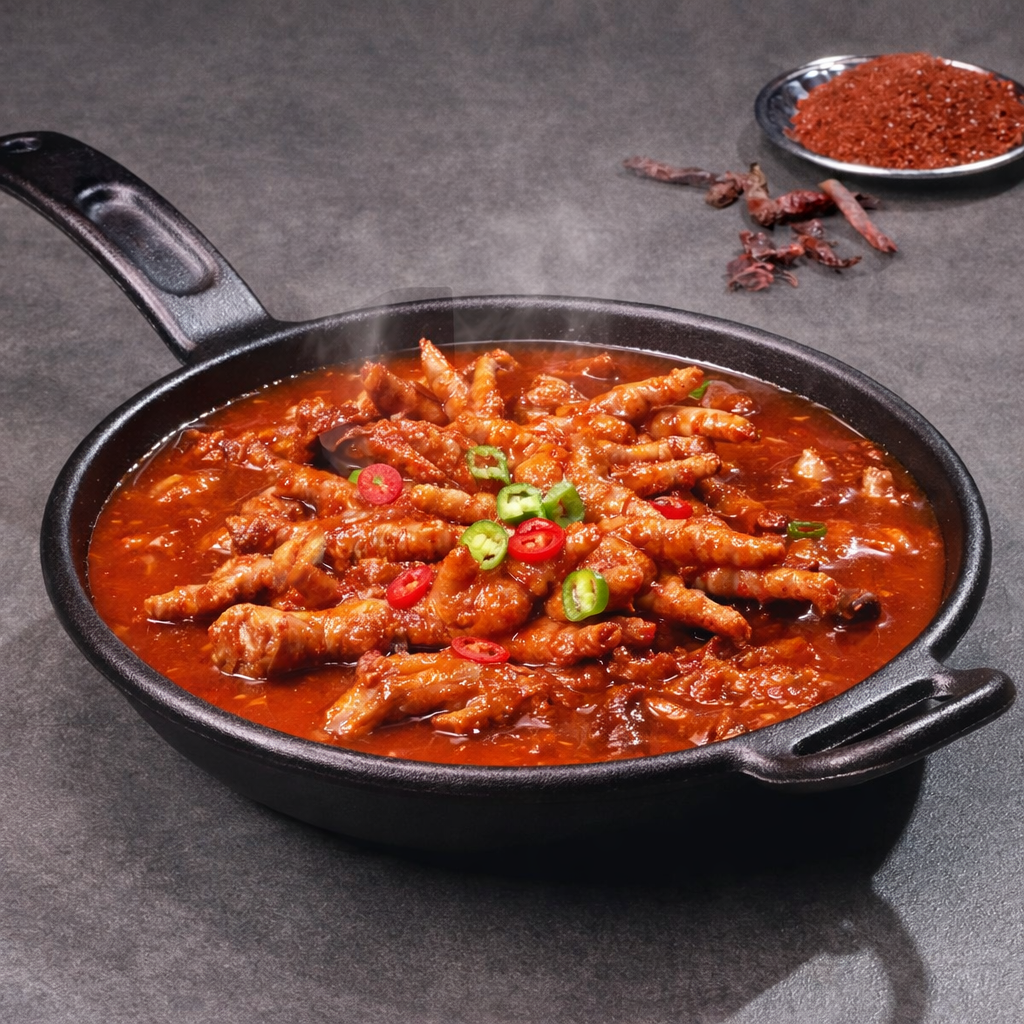
In December, a season filled with year-end gatherings, dakbal becomes more than just food—it turns into a powerful connector between people. Its fiery heat melts frozen hearts, while its chewy texture delivers a cathartic release from everyday stress. The shared sweat, laughter, and conversations that unfold while tearing into dakbal often create memories far richer than those made over the finest dishes.
For generations, dakbal has stood beside Koreans through moments of joy and sorrow alike, firmly rooted as a true soul food in the nation’s culinary culture. It may feel unfamiliar or intimidating at first, but once tasted, its addictive charm is hard to escape. From the deep, savory richness of bone-in dakbal to the convenience of boneless versions, the comforting warmth of soupy dakbal, the bold intensity of stir-fried styles, and the playful surprise of fried dakbal—there is a version ready to satisfy every preference.
This year, instead of the usual predictable menu, why not make spicy, unforgettable dakbal the centerpiece of your home party? Picture yourself gathered around a bubbling pot of dakbal with family and friends, sharing stories as the year comes to a close. What begins as an ordinary gathering may soon become a cherished memory.
As you share the warmth and joy contained in each bite of dakbal, may this December be filled with laughter and connection. Are you ready to give in to dakbal’s spicy temptation? Then let’s start the dakbal party—right now.
Dakbal isn’t just flavorful—it also offers notable health benefits. One of its most well-known advantages is its high collagen content. Collagen helps maintain skin elasticity and improve the appearance of fine lines, earning dakbal the nickname “edible skincare.” It also supports joint and cartilage health, potentially helping prevent cartilage damage and easing joint discomfort.
Dakbal contains chondroitin, a compound that aids calcium absorption and contributes to stronger bones. In addition, it provides a variety of vitamins and minerals, including vitamins A, D, and E, which help boost immunity and combat fatigue. With benefits that extend beyond taste, dakbal is a uniquely appealing ingredient that brings together both flavor and wellness.