


Zakatamin is an everyday Myanmar meal where rice is shared alongside a variety of side dishes — a structure that may feel familiar to Koreans, yet new to many others. From regionally varied dishes to meals served on banana leaves, it offers a unique dining experience. Though it may feel unfamiliar at first, discovering how the different elements come together makes it both engaging and approachable. Through zakatamin, you can gain a deeper understanding of Myanmar’s food culture.

Miyeok-guk, a staple of Korean birthdays and postpartum care, is more than just a soup—it carries deep cultural meaning and nutritional value. Passed down through generations, it symbolizes a mother’s love and wishes for health. Rich in iodine, calcium, and iron, this seaweed soup is enjoyed with ingredients like beef, mussels, tuna, or bone broth, offering comforting warmth during cold seasons.

As January 1st approaches, we explore tteokguk, a traditional dish served on Korean tables to welcome the New Year. More than a simple meal, tteokguk symbolizes hopes for health, prosperity, and renewal. From long white rice cakes representing longevity to coin-shaped slices associated with wealth, this feature highlights the cultural meanings and traditions contained in a single bowl.

As December brings a flurry of year-end gatherings and home parties, dakbal is the perfect choice for those seeking a bold and fiery menu. More than just a spicy dish, dakbal is a beloved Korean soul food with a long history and a staple companion to drinks. From bone-in and boneless to soupy, stir-fried, and fried styles, this guide explores the many ways to enjoy dakbal—along with easy recipes for beginners and ideal drink pairings to make your gathering truly unforgettable.
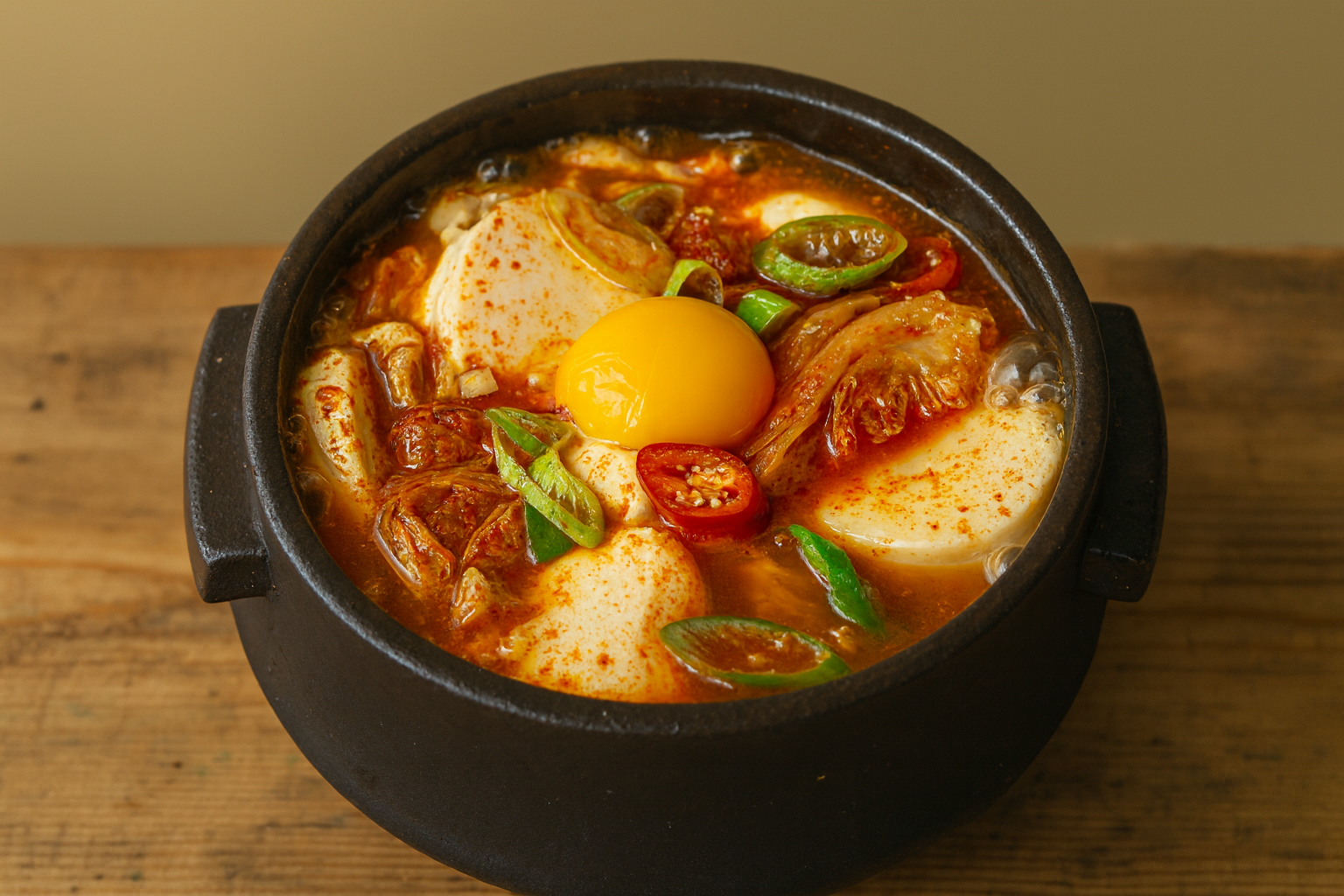
Sundubu jjigae, one of Korea’s most beloved soups and stews, pairs silky soft tofu with a bold, spicy broth—making it a comfort food enjoyed across generations. In this feature, we take a closer look at sundubu jjigae’s signature flavor profile, its versatile range of ingredients, and how it differs from another iconic spicy stew, kimchi jjigae. Join us as we explore the warm, soothing world of sundubu jjigae—where gentle texture meets fiery depth.

From the vast grasslands of Mongolia come two comforting soup dishes: Boorog Mahtei Shul and Hoi Chai. This guide explores the simple yet deeply flavorful meatball soup Boorog Mahtei Shul and the heartier, ingredient-rich Hoi Chai, highlighting their distinct textures and flavors. Through these dishes, readers gain insight into Mongolian food culture and are introduced to places in Korea where Hoi Chai can be enjoyed.



