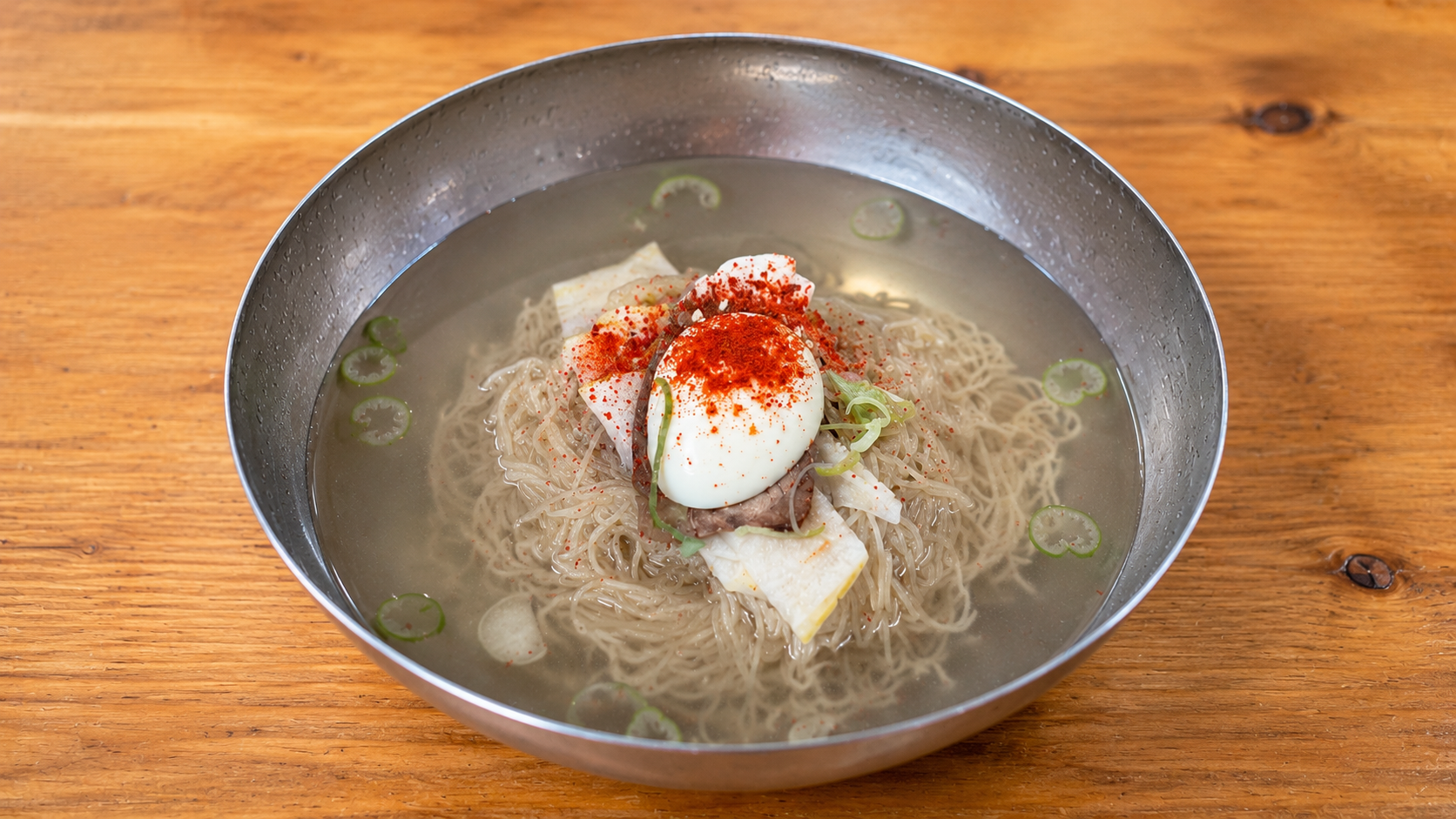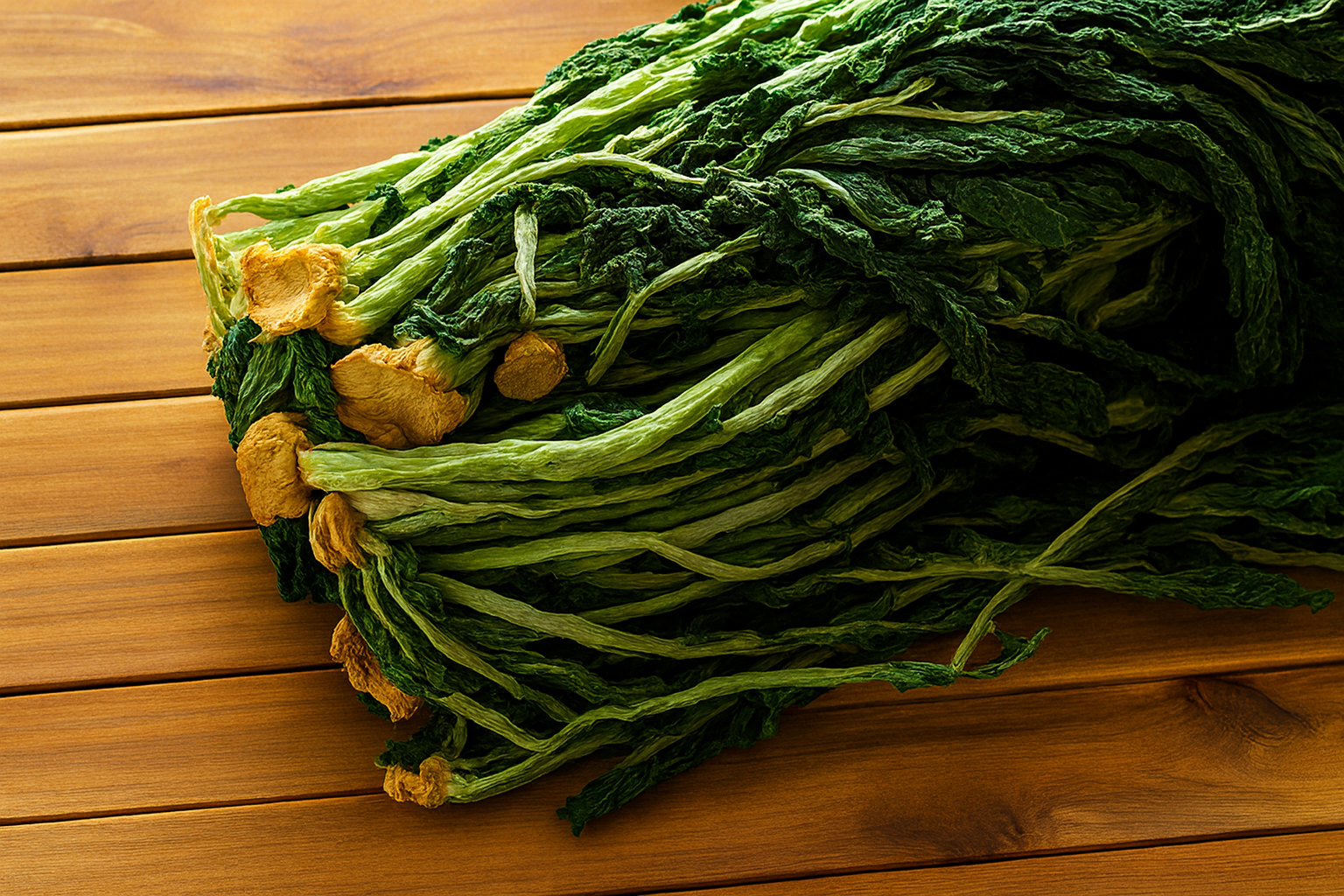
Siraegi is a traditional Korean ingredient made by drying radish greens. Once a famine food that helped people survive harsh winters, it is now valued as a nutritious ingredient rich in vitamins and dietary fiber. Widely used in dishes like soybean paste soup and seasoned vegetable sides, siraegi is loved for its deep, savory flavor and health benefits.

Tsuivan is Mongolia’s iconic stir-fried noodle dish that reflects nomadic culture and community life. Made with wheat noodles, meat, and vegetables, it has long been a staple during daily meals, travel, and outdoor activities. The rich flavor and fat from lamb provided essential energy in Mongolia’s harsh environment. Today, Tsuivan has evolved with diverse ingredients and cooking styles, gaining popularity and appealing to tastes around the world.

Mongolian cuisine may feel unfamiliar, but Tefteel and Beef Steak are approachable entry dishes that suit Korean palates well. Similar to hamburg steak, they offer the rich flavor of Mongolian meat in an easy, gentle way. This guide briefly compares the two and provides tips for choosing between them when dining in Mongolia.

From the vast grasslands of Mongolia come two comforting soup dishes: Boorog Mahtei Shul and Hoi Chai. This guide explores the simple yet deeply flavorful meatball soup Boorog Mahtei Shul and the heartier, ingredient-rich Hoi Chai, highlighting their distinct textures and flavors. Through these dishes, readers gain insight into Mongolian food culture and are introduced to places in Korea where Hoi Chai can be enjoyed.

Discovered under Mongolia’s vast skies and summer heat, Ujamni Shus is a seasonal drink made from raisins and suitable for plant-based diets. More than a refreshing beverage, it is valued as a source of energy and nourishment. Rich in nutrients, it offers a unique drinking experience in which the soaked raisins are meant to be chewed, making Ujamni Shus a distinctive symbol of Mongolia’s summer.

Located in Dongdaemun Mongolian Town, Zalus has served Mongolian cuisine for 18 years. From local favorites such as Sharsan Khairak and Buuz to dishes well suited to Korean tastes, it is an ideal starting point for those curious about Mongolia or seeking distinctive international flavors. easyMenu helps visitors better understand the cuisine, and checking the online menu in advance is recommended. Enjoy an authentic Mongolian dining experience at Zalus.

Located near Achasan Station in Seoul, Gege is a traditional Mongolian restaurant that has served fresh, authentic flavors for five to six years. Using high-quality meat without artificial sweeteners, it focuses on honest, healthy cooking. Through the easyMenu X Mongolia project, Gege offers a multilingual menu and QR system, making Mongolian cuisine accessible to all. Signature dishes include Khuushuur, Chive Khuushuur, and Goulash.

Suutei tsai is a unique drink shaped by the lives of Mongolian nomads on the vast steppes. Made with milk, black tea, and salt—and sometimes enriched with butter or dried meat—it delivers a savory, nutty, and comforting flavor. More than a simple tea, suutei tsai reflects Mongolian hospitality and practical wisdom, making it an essential part of experiencing Mongolian culture.